


Protein Powder Brands in India: How to Choose the Right Supplement for Your Fitness Goals

Fitness and nutrition have become important parts of modern lifestyles. Whether someone wants to build muscle, improve workout recovery, or meet daily protein requirements, understanding nutrition is an important first step. Protein supplements are one option for people who find it difficult to meet their protein needs through regular meals alone.
However, with so many products available, choosing a suitable supplement can feel confusing. Understanding protein sources, nutritional labels, ingredients, and personal requirements can help consumers make more informed decisions.
Why Is Protein Important for the Body?
Protein is an essential macronutrient that supports muscle growth and repair, tissue maintenance, and the production of enzymes and hormones. It is made up of amino acids, which the body uses for various biological functions.
People who exercise regularly may need to pay particular attention to their protein intake because physical activity increases the importance of adequate recovery and nutrition. However, protein requirements vary depending on factors such as age, activity level, body composition, and individual health needs.
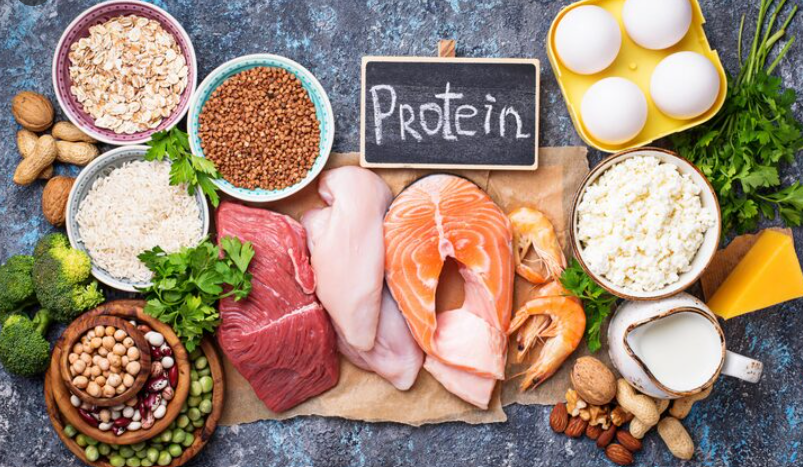
Protein can come from everyday foods such as lentils, beans, chickpeas, eggs, fish, chicken, tofu, nuts, and dairy products. Protein powders offer another convenient option when additional dietary protein is needed.
Understanding Different Types of Protein Powder
Before choosing a supplement, it helps to understand the main protein sources available.
1. Whey Protein
Whey protein is derived from milk and is widely used in sports nutrition. It contains all nine essential amino acids and is commonly available as concentrate, isolate, and hydrolysate.
Whey concentrate generally contains more of the naturally occurring fats and carbohydrates found in whey, while whey isolate typically contains a higher proportion of protein. People with lactose intolerance may find some isolates easier to tolerate, although individual products differ.
2. Casein Protein
Casein is another milk-derived protein. It is digested more slowly than whey and may be suitable for people looking for a slower-digesting protein source.
3. Plant-Based Protein
Plant-based protein powders may be made from peas, soy, rice, or blends of different plant proteins. These products can be useful for vegetarians, vegans, and people who prefer to avoid dairy.
When comparing plant-based products, consider the protein content per serving, amino acid profile, ingredients, and suitability for your dietary preferences.
How to Choose a Suitable Protein Supplement
Choosing a protein powder should involve more than selecting the most popular product or the most expensive packaging.
Check the protein content. Read the nutrition label to understand how much protein each serving provides. Compare products using the same serving size wherever possible.
Review the ingredient list. Look for ingredients that suit your dietary requirements. Consider added sugars, sweeteners, flavorings, and any ingredients you prefer to avoid.
Consider your dietary preferences. Whey and casein are milk-derived, whereas plant-based options may suit people following vegan diets or avoiding dairy.
Evaluate quality and transparency. Check the manufacturer's information, batch details, applicable quality certifications, and independent testing claims where available.
Consider your budget. Compare the cost per gram of protein rather than judging value by the price of the container alone.
Think about your goals. Your overall diet, training routine, sleep, and consistency generally matter more than choosing a supplement based on marketing claims.
Exploring Protein Powder Brands in India
The Indian market offers a range of protein supplements across different price points, protein sources, flavors, and serving sizes. Comparing products carefully can help consumers identify options that match their nutritional needs and budgets.
If you are researching protein powder brands in India, explore this guide from GetMyMettle for an overview of popular brands and useful considerations when comparing protein supplements.
When researching any brand, examine its product-specific nutrition information instead of relying only on brand popularity. Protein content, ingredients, testing transparency, taste, availability, and cost per serving can differ significantly between products from the same manufacturer.
Consumers should also be cautious about exaggerated promises, including claims of guaranteed muscle growth or rapid body transformation. Supplements can complement a balanced diet, but they cannot replace appropriate training, sufficient rest, and consistent nutrition.

Common Mistakes to Avoid When Buying Protein Powder
One common mistake is assuming that more protein is always better. The right amount depends on your overall dietary intake and individual requirements. Consuming additional protein beyond your needs does not automatically produce better fitness results.
Another mistake is ignoring the complete nutrition label. A product may advertise a high protein quantity while containing ingredients that do not suit your preferences or dietary restrictions.
Some buyers also overlook authenticity and product storage. Purchase from reputable sellers, inspect packaging and seals, check expiry information, and follow the manufacturer's storage instructions.
Finally, do not treat supplements as substitutes for balanced meals. Whole foods provide additional nutrients, including fiber, vitamins, minerals, and other beneficial compounds that many protein powders do not supply in comparable amounts.
People with existing medical conditions or specific dietary restrictions should consult a qualified healthcare professional or registered dietitian before making significant changes to their protein intake.
Can You Meet Your Protein Needs Without Supplements?
Yes. Many people can meet their protein requirements through a varied diet.
Indian meals can include protein-rich foods such as dal, rajma, chana, soybeans, tofu, paneer, eggs, fish, and chicken. Combining these foods with vegetables, whole grains, fruits, and healthy fats can help create a balanced eating pattern.
Protein powder is best viewed as a convenient option rather than a requirement for everyone. Whether you need it depends on your dietary habits, nutritional goals, food preferences, and daily schedule.
Final Thoughts
Choosing a protein supplement becomes easier when you focus on nutritional information rather than marketing promises. Understanding protein sources, comparing ingredient labels, checking product quality, and evaluating cost per serving can help you make a more informed decision.
Whether you choose whey protein, casein, plant-based protein, or whole-food sources, consistency and a balanced diet remain central to supporting your fitness goals.
Take time to research available products, understand your individual requirements, and select options that fit your lifestyle. An informed approach to nutrition can help you build sustainable habits for long-term health and fitness.

 English
 French
 Spanish
 Portuguese
 Deutsch
 Turkish
 Dutch
Dutch
 Italiano
 Russian
 Romaian
 Portuguese (Brazil)
 Greek
Greek
 Bengali