


Buttock Augmentation in Dubai: Lifestyle Considerations
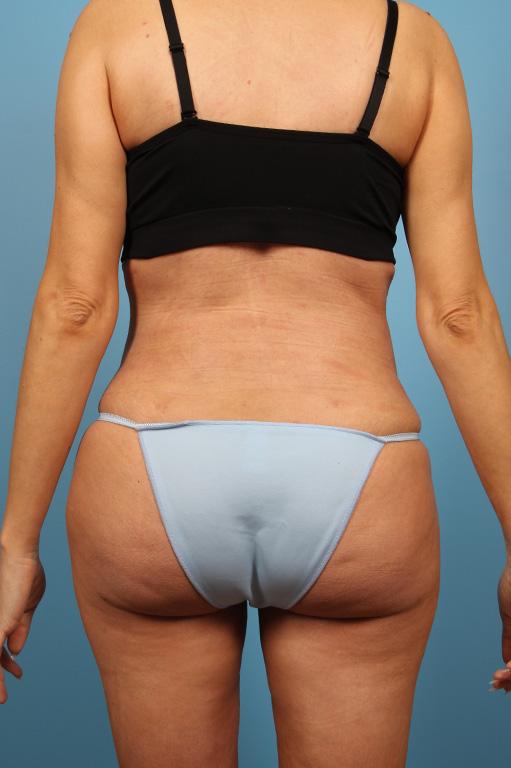
Lifestyle plays an important role when planning buttock augmentation in Dubai. Daily routines, work responsibilities, exercise habits, nutrition, and travel commitments can all affect how comfortably a person manages recovery. Considering these factors before surgery helps establish realistic expectations and makes it easier to organise the time and support needed after the procedure.
Lifestyle considerations also extend beyond the initial healing period. Weight fluctuations, ageing, and changes in physical activity may influence the appearance of the results over time. Understanding these influences can help patients make decisions that suit their long-term goals rather than focusing only on the immediate change in body shape.
Maintain a Stable Weight Before Treatment
Why Weight Stability Matters
Significant weight changes can affect body proportions and the appearance of the buttocks. This is particularly relevant to fat transfer, because transferred fat behaves like other living fat tissue and may change with weight gain or loss. Weight reduction can decrease fat volume, while substantial weight gain may alter the shape of treated and untreated areas.
Implants provide volume through a device, but changes in surrounding body fat and skin can still influence the overall contour. Maintaining a reasonably stable weight can help support more predictable long-term appearance, although it cannot guarantee a particular result.
Plan Around Future Changes
People who anticipate major weight changes may benefit from discussing the timing of surgery with their treating professional. Pregnancy, a planned weight-loss programme, or other significant lifestyle changes may affect when treatment is most appropriate.
Consider Work and Daily Responsibilities
Recovery requirements can influence how soon a person returns to normal routines. Someone with a desk-based job may need to arrange a suitable sitting position and follow any pressure restrictions, while a person whose work involves lifting, prolonged standing, or physical labour may require a longer period away from demanding duties.
Before buttock augmentation in Dubai, consider whether flexible working arrangements, remote work, or temporary assistance are available. Returning to work should depend on the procedure performed, healing progress, and professional guidance rather than a fixed timetable.
Household responsibilities also deserve attention. Shopping, cleaning, childcare, and other tasks may be difficult during the early recovery period. Preparing meals and arranging practical support in advance can reduce unnecessary strain.
Adapt Exercise Habits During Recovery
Follow a Gradual Return to Activity
Regular physical activity may be part of a healthy lifestyle, but strenuous exercise should be paused according to the specific recovery plan. Heavy lifting, intense lower-body workouts, running, and movements that place pressure on healing tissues may need to be restricted temporarily.
Gentle walking may be encouraged at an appropriate stage to support circulation. However, patients should follow individual instructions about when to begin walking, increase activity, and resume more demanding exercise.
Understand the Difference Between Healing and Fitness
Feeling energetic does not necessarily mean that internal tissues have healed completely. Returning to exercise too early may place stress on healing areas or increase discomfort. Patients should obtain clearance before restarting intense workouts, and activity should be increased gradually.
Once fully recovered, a balanced exercise routine can support general health and help maintain stable body weight. Exercise cannot prevent all natural changes in body shape or guarantee that surgical results will remain unchanged.
Build Healthy Eating Habits
Nutrition supports the body's general healing processes. Balanced meals containing adequate protein, vegetables, fruits, whole grains, and other nutrient-rich foods can help meet nutritional needs during recovery. Hydration is also important, particularly when activity levels or medication use change.
Extreme dieting immediately after surgery is generally not a sensible approach to managing body shape. Major calorie restrictions can make it harder to meet nutritional needs during healing. Anyone considering substantial weight loss should discuss appropriate timing with their healthcare professional.
For patients who undergo fat transfer, avoiding major weight fluctuations may be particularly relevant because the transferred fat can change in volume as body weight changes.
Account for Sitting, Sleep, and Social Activities
Some procedures require specific sitting or sleeping positions during recovery. These restrictions may affect commuting, dining out, social gatherings, and long periods at a desk. Patients should clarify how long the restrictions are expected to apply and which positioning aids, if any, are recommended.
Social plans may also need to be adjusted while swelling, bruising, and discomfort improve. Scheduling important events too soon after surgery can create unnecessary pressure to resume normal activities before healing is sufficiently advanced.
Long-distance journeys deserve particular consideration because prolonged immobility after surgery can increase the risk of blood clots. Travel timing should be discussed with the treating professional, especially after extensive surgery or when individual risk factors are present.
Consider Smoking and Other Health Habits
Smoking and nicotine use can impair wound healing and increase the risk of complications. Patients should disclose nicotine use and follow professional guidance about stopping before surgery and avoiding it during recovery.
Alcohol may interact with some medicines and can complicate early recovery. Patients should ask when it is appropriate to resume drinking, particularly if they are taking pain medication or other prescribed treatments.
Adequate sleep and sensible stress management can also make recovery more manageable. These habits do not replace medical care, but they can help establish a supportive environment while the body heals.
Prepare for Long-Term Maintenance
The long-term appearance of buttock augmentation depends on several factors, including the technique used, tissue healing, natural ageing, and changes in body weight. Fat transfer may lose some initial volume as the body reabsorbs part of the transferred fat. Implants have their own long-term considerations and may require further medical attention or surgery in the future.
Follow-up appointments are important even when recovery seems straightforward. Patients should report new pain, changes in shape, swelling, or other unexpected symptoms rather than assuming that every change is a normal effect of ageing or activity.
Match Treatment Planning to Your Lifestyle
A suitable treatment plan should fit both a person's aesthetic goals and their ability to manage recovery. Work schedules, family responsibilities, exercise preferences, travel, weight stability, and health habits all deserve attention before deciding on surgery. For those researching buttock augmentation in Dubai, TAJMEELS CLINIC can be part of the process of exploring options and discussing how individual lifestyle factors may influence treatment planning, recovery requirements, and long-term expectations.
For More Details, Contact Us Through:
WhatsApp: +971 56 203 8751
Phone: +971 4 373 9000
Social Media:

 English
 Arabic
 French
 Spanish
 Portuguese
 Turkish
 Dutch
Dutch
 Italiano
 Russian
 Romaian
 Portuguese (Brazil)
 Greek
Greek
 Bengali