


Chemical Peels in Dubai: What to Expect
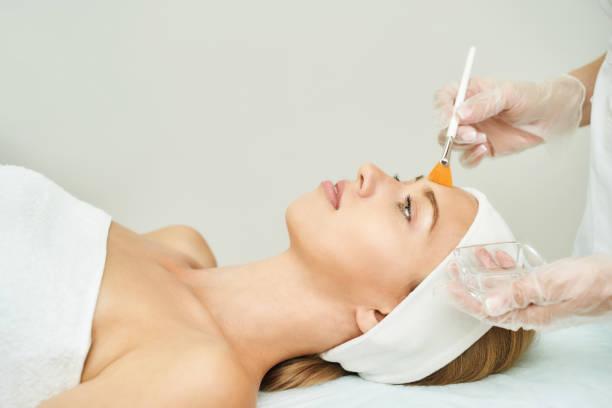
If you are considering professional skin exfoliation for the first time, knowing what happens before, during, and after treatment can make the experience easier to understand.
Chemical Peels in Dubai (التقشير الكيميائي في دبي) involve applying a carefully selected exfoliating solution to the skin. The purpose is to encourage controlled shedding of surface cells and support a smoother, more refined appearance.
The treatment can vary significantly depending on the formulation, concentration, skin condition, and desired outcome.
What Happens Before a Chemical Peel?
Preparation begins with an assessment of the skin. Factors such as sensitivity, dryness, pigmentation, acne, previous treatments, and current skincare products may be considered when selecting the appropriate peel.
The goal is to determine how much exfoliation the skin can comfortably tolerate. Some skincare ingredients or cosmetic procedures may need to be paused before treatment, depending on the chosen formulation.
Good preparation can help reduce unnecessary irritation and create a more predictable recovery period.
Choosing the Appropriate Peel
Chemical peels are available in different strengths and formulations. A lighter peel may focus on dullness, mild uneven tone, or surface texture, while a stronger formulation may provide more intensive exfoliation.
Common exfoliating ingredients include glycolic acid, lactic acid, and salicylic acid. Each has different characteristics and may be selected according to the individual's skin concerns.
For Dull or Uneven Skin
A suitable exfoliating formulation can help remove accumulated surface cells and improve the appearance of a lackluster complexion.
For Oily or Blemish-Prone Skin
Certain formulations may be considered when excess oil, congestion, or superficial blemish marks are part of the concern.
For Texture Concerns
Some peels are selected to refine rough or uneven surface texture and create a smoother-looking complexion.
What Happens During the Procedure?
The skin is generally cleansed before the exfoliating solution is applied. The product is carefully distributed over the intended treatment area while the skin's response is observed.
A temporary sensation of warmth, tingling, or mild stinging can occur. The intensity depends on the formulation and individual sensitivity.
Once the appropriate exposure period has passed, the solution is removed or neutralized according to the treatment method. The skin may appear mildly flushed afterward.
What Should You Expect After Treatment?
The immediate response varies. Some people experience only mild redness, while others may notice tightness, dryness, or sensitivity.
With certain peels, visible flaking or peeling may develop over the following days. This is part of the surface renewal process and should not be accelerated by pulling or picking the skin.
Allowing the skin to recover naturally can help reduce unnecessary irritation.
How Long Does Recovery Take?
Recovery depends on the type and depth of the peel. A superficial treatment may involve little downtime, while a stronger peel can require more noticeable recovery.
During this period, gentle cleansing and moisturizing can help maintain skin comfort. Activities or products that cause excessive irritation may need to be avoided temporarily.
Sun exposure should also be minimized because freshly exfoliated skin can be more vulnerable to ultraviolet radiation.
When Do Results Become Visible?
Results do not necessarily appear immediately. The skin first needs time to complete the shedding and renewal process.
Once recovery progresses, the complexion may look smoother, fresher, or more even. Improvements in specific concerns such as superficial discoloration or rough texture can vary according to the condition being treated.
Multiple treatments may sometimes be considered when a particular concern requires gradual improvement.
Aftercare for Better Skin Recovery
A simple post-treatment routine can support the skin while it recovers. Gentle cleansing, appropriate moisturization, and regular broad-spectrum sunscreen are particularly important.
Avoiding abrasive scrubs and unnecessary exfoliating products can help prevent irritation. It is also advisable not to introduce several new skincare products while the skin is recovering.
Following individualized aftercare instructions can make the recovery process more comfortable.
What Can Affect Your Results?
The outcome of a chemical peel depends on several factors. Skin type, treatment strength, the specific concern being addressed, sun exposure, skincare habits, and individual healing can all influence the final appearance.
Lifestyle factors also matter. Continued sun exposure without adequate protection can contribute to pigmentation and counteract efforts to maintain a more even complexion.
Consistent skincare can therefore be just as important as the treatment itself.
Who Should Consider Professional Guidance?
Anyone considering a chemical peel should have their skin assessed before choosing a formulation. A peel that works well for one person may not be appropriate for another.
People with significant sensitivity, active irritation, or particular skin concerns may require an alternative treatment approach. Professional assessment helps ensure that the treatment intensity is appropriate for the individual's skin.
Final Thought
Knowing what to expect can make the chemical peel experience more comfortable and help you prepare for each stage of treatment. Chemical Peels in Dubai can provide controlled exfoliation for concerns such as dullness, uneven texture, and superficial discoloration, with the treatment approach tailored to individual skin needs. For personalized guidance throughout the process, TAJMEELS DUBAI عيادة تجميل can help you explore suitable options for your complexion goals.

 English
 Arabic
 French
 Spanish
 Portuguese
 Deutsch
 Turkish
 Dutch
Dutch
 Italiano
 Russian
 Portuguese (Brazil)
 Greek
Greek
 Bengali