


How to Create a Comfortable and Functional Home Interior in Chennai
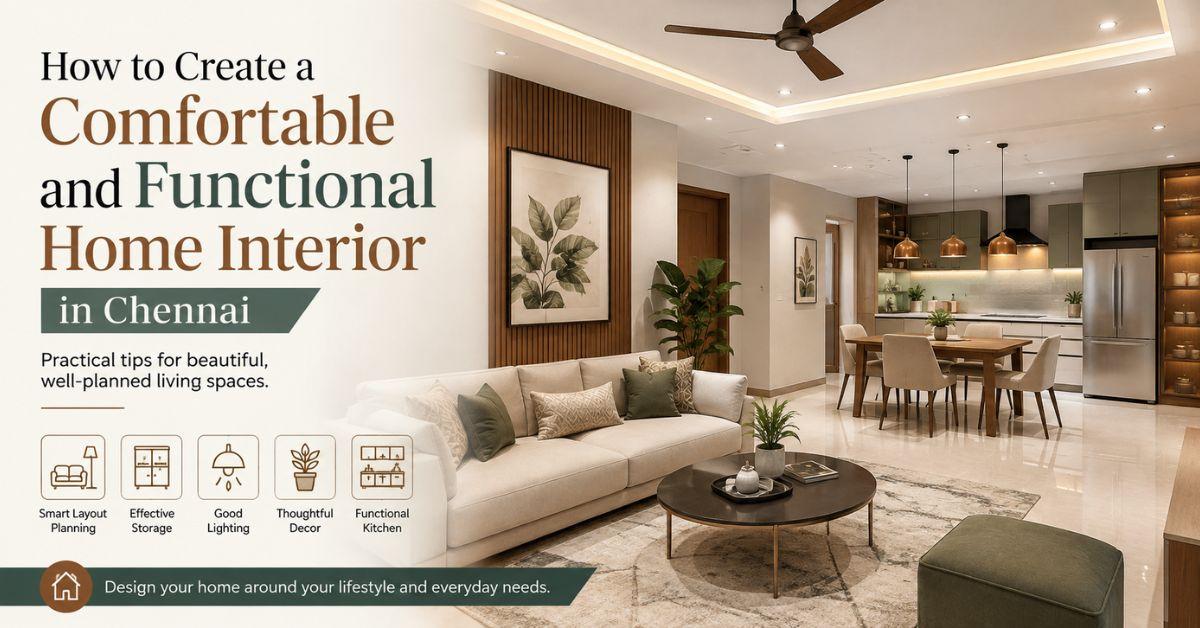
Designing a home is not only about choosing attractive furniture or matching colours. It is about creating a space that feels comfortable, practical, and suitable for everyday life. When planning Best interiors in Chennai, homeowners can think beyond appearance and focus on how each room will be used, how much storage is needed, and how the overall layout can make daily routines easier. A well-planned interior brings these elements together without making the home feel crowded or complicated.
Start With the Way You Live
Before selecting colours, furniture, or decorative pieces, it helps to understand how the home is actually used. A family with children may need more storage and open floor space, while a couple may prefer a simpler arrangement with more room for entertaining.
Think about your daily routines. Where do you usually keep shoes, bags, books, appliances, and other frequently used items? Which rooms need more privacy? Where does natural light enter the home? Answering these questions early can prevent unnecessary changes later.
Make the Most of Available Space
Not every home has large rooms, so effective space planning becomes important. Instead of filling every corner with furniture, consider what is genuinely useful.
For smaller apartments, furniture with built-in storage can help reduce clutter. Wall-mounted units can also free up floor space. In larger homes, creating clear zones for different activities can make rooms easier to use.
The aim is not to make a room look empty. It is to create enough breathing space so that movement remains comfortable and the important elements of the room receive proper attention.
Choose Colours With the Overall Home in Mind
Colour can influence how a room feels. Light shades can make compact spaces appear more open, while deeper tones can add warmth and character when used thoughtfully.
It is not necessary to use the same colour throughout the entire house. Instead, homeowners can select a simple palette and introduce variations across different rooms. Wall colours, curtains, furniture, flooring, and decorative elements should work together rather than compete for attention.
Natural light should also be considered before making a final choice. A colour that looks soft in a showroom may appear quite different under the lighting conditions of a particular room.
Plan Storage Before Buying Furniture
Storage is one of the areas that can easily be overlooked during interior planning. Once a home is occupied, the amount of everyday belongings often becomes more obvious.
Think about storage requirements room by room. Bedrooms may need wardrobes and overhead storage, while living rooms can benefit from concealed cabinets or display units. Entry areas can include dedicated spaces for footwear and everyday items.
Good storage does not always have to be visible. Concealed solutions can help maintain a cleaner appearance while keeping frequently used belongings within easy reach.
Give the Kitchen Special Attention
The kitchen is one of the busiest areas in many homes. Its design should therefore support movement, cooking, cleaning, and storage rather than focusing only on appearance.
A properly planned Modular Kitchen Chennai can make better use of available space by organizing cabinets, drawers, appliances, and work areas according to the kitchen layout. The position of the refrigerator, sink, cooking area, and storage should allow comfortable movement between different tasks.
Material selection also deserves attention. Kitchens can experience moisture, heat, and frequent use, so homeowners should consider durability and maintenance when selecting boards, finishes, countertops, and hardware.
Think About Lighting From the Beginning
Lighting can completely change the atmosphere of an interior. Natural light should be used wherever possible, while artificial lighting can support specific activities after dark.
A combination of general lighting, task lighting, and accent lighting can work well in different parts of the home. Kitchens need focused lighting around work areas, while bedrooms may benefit from softer illumination. Living rooms can use multiple light sources to create flexibility.
Switch placement is another small detail that can make a noticeable difference in everyday convenience.
Select Materials According to Usage
A beautiful material is not necessarily the right material for every room. Homeowners should consider how frequently a surface will be touched, cleaned, exposed to moisture, or subjected to wear.
For example, kitchen cabinets require different considerations from bedroom furniture. Flooring in high-traffic areas may need greater durability, while decorative surfaces can be selected based on appearance and maintenance requirements.
Comparing materials before finalizing the design can help homeowners understand the balance between appearance, durability, maintenance, and cost.
Keep Decoration Meaningful
Decorative elements can give a home personality, but too many accessories may make a space feel crowded. Instead of buying decorations simply to fill empty areas, select pieces that have a purpose or personal connection.
Artwork, indoor plants, rugs, cushions, books, photographs, and carefully chosen accessories can add warmth without overwhelming the room. A few well-positioned pieces can often have more impact than a large collection of unrelated items.
Create a Home That Can Adapt
A good interior should work not only today but also as household needs change. Families may require additional storage, a study area, or flexible furniture arrangements over time.
Leaving some flexibility in the layout can make future changes easier. Instead of designing every corner for one specific purpose, consider whether certain areas could serve multiple functions.
This approach is particularly useful for homes where work, study, relaxation, and family activities often happen within the same rooms.
Bring Everything Together
Creating a comfortable home requires more than following current design trends. The most useful approach is to understand the people living in the space and plan around their actual routines. Layout, storage, lighting, colours, materials, furniture, and decoration should support one another rather than being selected independently.
When these details are considered from the beginning, the result can be a home that looks appealing while remaining practical for everyday life. With thoughtful planning and the right priorities, a Modular Kitchen Chennai solution can become a natural part of a well-designed and comfortable home.

 English
 Arabic
 French
 Spanish
 Portuguese
 Turkish
 Dutch
Dutch
 Italiano
 Russian
 Romaian
 Portuguese (Brazil)
 Greek
Greek
 Bengali