


How to Select Rct SDS Plus Hammer Drill for Daily Tasks
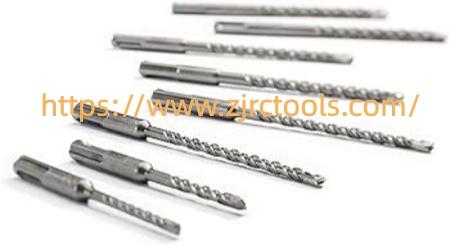
SDS Plus Hammer Drill selection begins with a clear view of the jobs that appear most often on site. Common tasks include forming holes for anchors in concrete running conduit through block and performing light surface preparation on masonry. The right instrument balances impact energy with manageable weight so that operators can work for longer stretches without excess strain.
Impact energy measured in joules determines how quickly the bit advances through dense materials. For everyday anchor holes up to moderate diameters a mid range energy level usually proves adequate. Higher energy becomes useful when the material contains aggregate or when deeper penetrations are required yet extra power also adds mass that can tire the user during overhead work.
Weight and balance affect control and comfort. Compact units around three to four kilograms suit wall work and confined spaces while slightly heavier models provide greater stability for floor level drilling. A well placed side handle improves two handed grip and reduces the chance of the bit wandering at the start of a hole.
Mode selection expands versatility. Rotation only allows clean holes in wood or metal when a suitable adapter is fitted. Combined rotation and impact handles masonry and concrete. A dedicated impact only setting supports light chiseling for tile removal or surface leveling. Confirming that the chosen unit offers the modes needed for the expected mix of tasks avoids later limitations.
Power source is another practical consideration. Corded models deliver continuous output for high volume work near power outlets. Cordless versions increase mobility on large sites or upper floors where cables become obstacles. Battery voltage and amp hour rating influence both runtime and the ability to sustain impact under load. Matching these figures to the daily hole count prevents mid shift interruptions.
Chuck design and bit range complete the picture. The interface must accept the shank style used for the intended bits and the maximum drilling diameter should cover the largest holes planned. Depth stops and variable speed triggers add precision for consistent anchor depths and controlled starts on hard surfaces.
Vibration management contributes to both comfort and accuracy. Features that limit transmitted vibration help operators maintain steady pressure and reduce fatigue over a full shift. Checking the overall ergonomics including grip texture and switch placement further supports prolonged use.
Rct offers instruments that address these practical factors so that contractors and installers can match capacity to real job requirements. Careful review of energy level weight modes and power source leads to a tool that performs steadily across the range of common masonry and concrete tasks.
Users who align the instrument specifications with the materials and hole sizes they encounter most often experience fewer delays and more predictable daily output. Selecting on the basis of actual site conditions rather than maximum listed capacity keeps the tool within its efficient operating window.
Review the available models and specifications that support these selection points at https://www.zjrctools.com/ to identify options suited to the jobs that appear regularly on your projects.

 English
 Arabic
 French
 Spanish
 Deutsch
 Turkish
 Dutch
Dutch
 Italiano
 Russian
 Romaian
 Portuguese (Brazil)
 Greek
Greek
 Bengali