


Bug Glue Boards: A Simple Approach to Indoor Insect Control
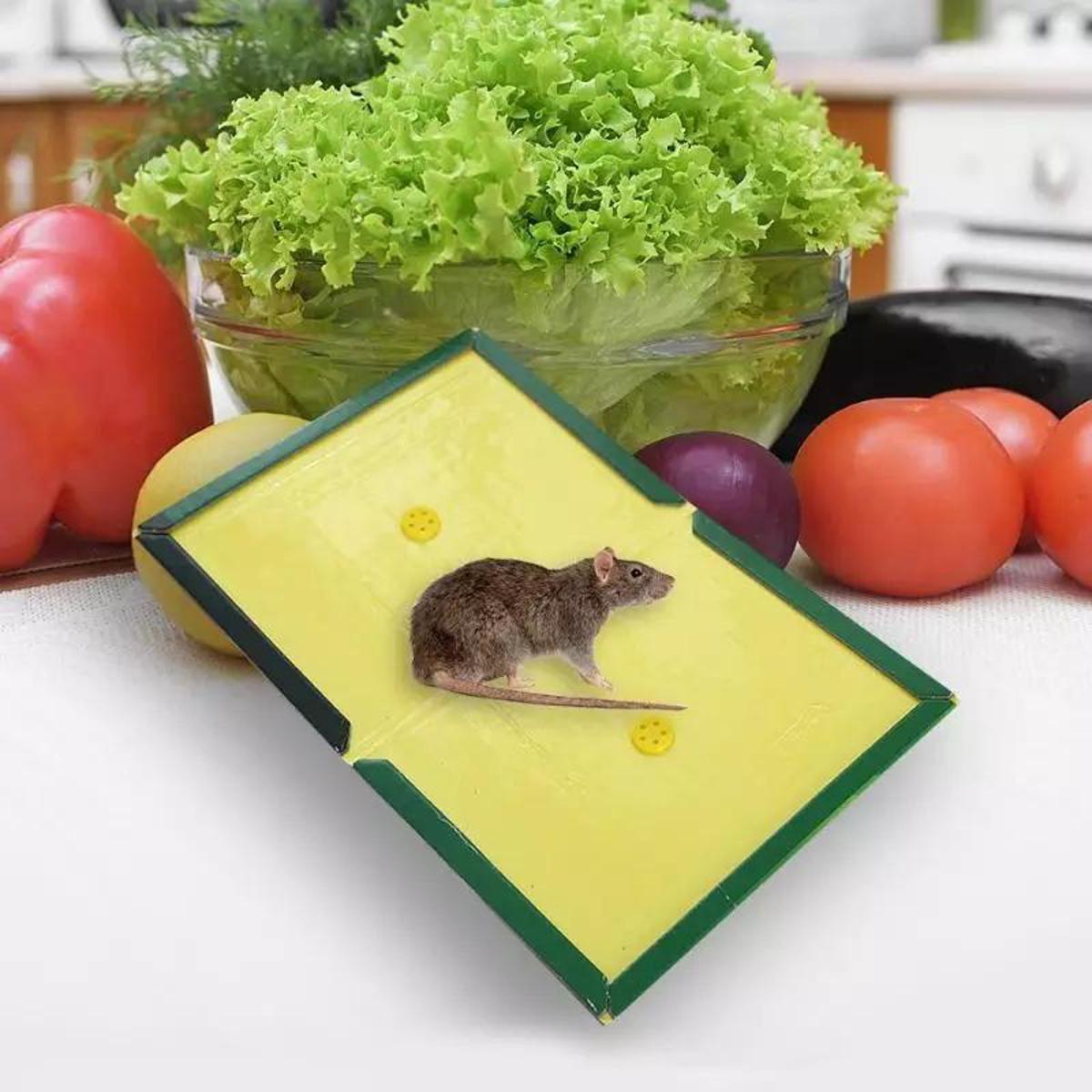
Keeping unwanted insects under control can be challenging, especially when bugs appear in kitchens, storage areas, garages, offices, and other indoor spaces. While sprays and chemical treatments are commonly used, some situations call for a simpler monitoring and trapping method. Bug glue boards provide a practical option by using a sticky adhesive surface to capture crawling or flying insects when they come into contact with the board.
These traps are available in different sizes and designs, with some intended specifically for crawling insects and others designed to work with light-based flying insect traps.
What Are Bug Glue Boards?
Bug glue boards are flat traps coated with a strong adhesive. When an insect walks across the exposed surface, it becomes stuck to the adhesive. Depending on the design, the board may be folded into a covered trap or used flat in a location where insect activity is suspected.
The basic concept is straightforward: instead of relying on an insecticide to kill a pest, the adhesive physically prevents the insect from moving away. Some products are designed for general insects, while specialized versions may target particular pests.
An insect glue board can also be used as a monitoring tool. Pest-control professionals and homeowners can inspect the boards periodically to determine whether insects are present and where activity is concentrated.
How Do Bug Glue Boards Work?
The effectiveness of a glue board depends largely on placement. Crawling insects commonly move along edges, corners, walls, and other sheltered routes rather than crossing large open areas. For this reason, placing boards near suspected insect pathways can increase the chance of contact.
Once an insect reaches the adhesive surface, its legs and body can become attached. The insect remains on the board, making it easier to identify the type and approximate level of activity.
Some flying-insect systems use adhesive boards together with ultraviolet light. In these products, the light attracts flying insects toward the unit, while the hidden glue board captures them. Replacement adhesive boards are available for several indoor insect-control systems.
Where Can You Use Bug Glue Boards?
One advantage of bug glue boards is their flexibility. They can be useful in many indoor locations where insect activity needs to be monitored or reduced.
Common areas include:
-
Kitchens and food-storage areas
-
Pantries and cabinets
-
Garages
-
Basements
-
Utility rooms
-
Storage spaces
-
Warehouses
-
Offices
-
Restaurants and commercial facilities
-
Areas around appliances and sinks
For crawling insects, boards are often positioned along walls, underneath equipment, near corners, or close to other areas where insects may travel. Extension guidance for German cockroach management specifically recommends strategic placement around areas such as sinks, stoves, pantries, walls, and corners.
Why Use an Insect Glue Board?
There are several reasons people choose adhesive traps as part of an insect-control routine.
Easy to Set Up
Most glue boards require little preparation. Depending on the design, you simply remove a protective covering, unfold or position the trap, and place it where insect activity is expected.
No Spraying Required
Glue boards physically trap insects rather than requiring a spray application. Some adhesive flying-insect boards are marketed as chemical-free and contain no active insecticide ingredients.
Useful for Monitoring
A glue board can provide useful information about insect activity. Finding several insects on one board may indicate that the surrounding area deserves closer inspection for food sources, moisture, cracks, or other conditions that could be supporting pest activity.
Quiet Operation
Unlike devices that use fans or other mechanical components, a basic adhesive trap operates silently. Some UV insect-control units also use hidden glue boards to provide quiet indoor trapping.
Convenient Replacement
Adhesive boards are disposable. Once the surface becomes heavily covered with insects, dust, or debris, the board can be replaced with a fresh one. Some manufacturers specifically recommend replacing boards when much of the adhesive surface has become covered.
Choosing the Right Glue Board
Not every glue board is designed for the same purpose. Before selecting one, consider the type of insect you want to monitor or trap.
Crawling-pest boards can be suitable for insects that move across floors, walls, cabinets, and other surfaces. Flying-insect glue boards, on the other hand, may be designed for use inside a compatible light trap.
Size also matters. A larger adhesive surface may provide more trapping area, while smaller boards can fit conveniently into cabinets, tight corners, or other confined locations.
For commercial environments, consider the number of boards needed, replacement frequency, ease of inspection, and whether the traps can be positioned without interfering with normal operations.
Placement Matters
Even a high-quality glue board may perform poorly if it is placed in an unsuitable location. Look for signs of insect activity before deciding where to install or position a trap.
For crawling pests, focus on sheltered routes and edges. Placing traps along walls and near corners can be more useful than putting them in the middle of an open room.
For flying insects, follow the instructions provided with the specific trap. Some adhesive boards are designed to work inside UV-light units, so their placement and dimensions need to match the equipment.
Safety Considerations
Glue boards should be positioned where children, pets, and other animals cannot accidentally come into contact with the adhesive. Extension guidance also warns that shoes and household objects can become stuck if boards are placed in exposed locations.
Always follow the manufacturer's instructions for placement, handling, inspection, and disposal. If a pest problem is extensive or continues despite monitoring and sanitation efforts, professional pest-control assistance may be appropriate.
Keep the Area Clean
Bug glue boards work best as one part of a broader pest-management routine. Cleaning food spills, storing food properly, reducing clutter, fixing moisture problems, and sealing possible entry points can help make an area less attractive to insects.
A glue board can show you where insects are active, but identifying and correcting the conditions that attract them is equally important.
Final Thoughts
Bug glue boards offer a straightforward way to capture and monitor unwanted insects without relying on constant spraying. Their adhesive surfaces can help detect insect activity, while specialized designs can work with flying-insect traps and UV lights.
Whether used in a home, workplace, storage area, or commercial setting, an insect glue board can be a useful component of an organized pest-management strategy. Proper placement, regular inspection, safe handling, and good sanitation practices can make adhesive traps more useful and help you better understand where insect activity is occurring.

 Arabic
 French
 Spanish
 Portuguese
 Deutsch
 Turkish
 Dutch
Dutch
 Italiano
 Russian
 Romaian
 Portuguese (Brazil)
 Greek
Greek
 Bengali