


Mastering the Art of Brewing with an Elegant Traditional Tea Gaiwan
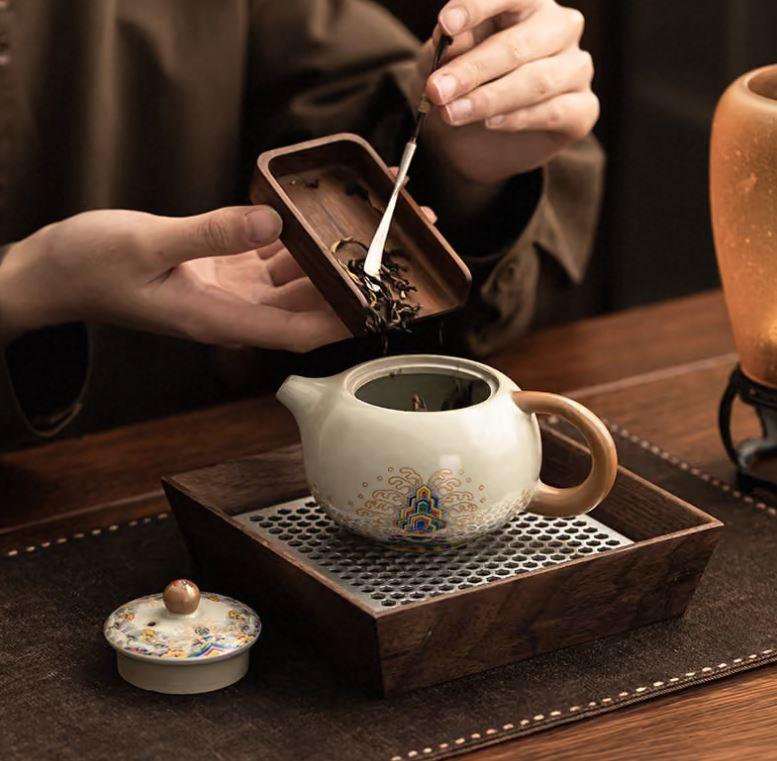
The world of loose-leaf tea is a vast landscape of delicate aromas, complex flavor profiles, and centuries-old traditions. Among the myriad brewing vessels developed across global tea cultures, few tools hold as much historical reverence and functional brilliance as the traditional Chinese lidded bowl. Pronounced "guy-wahn," this iconic brewing vessel consists of three distinct parts—the saucer, the bowl, and the lid—each symbolizing a harmonious connection between heaven, earth, and humanity in ancient philosophy.
Unlike conventional Western teapots equipped with fixed infusers or enclosed spouts, a traditional tea gaiwan offers absolute control over the steeping process. It allows loose leaves to expand fully in hot water, releasing their complete aromatic bouquet while granting the brewer immediate visual and olfactory feedback. Whether you are exploring the floral notes of high-mountain oolongs, the earthy depth of aged puerh, or the subtle sweetness of white tea, incorporating this classic vessel into your daily routine elevates tea preparation from a simple kitchen task into an immersive, mindful ritual.
Historical Roots and Philosophical Significance The origins of the lidded bowl date back to the Ming Dynasty, a golden age of Chinese ceramic arts and tea culture. Prior to this era, powdered tea whisked in bowls was the prevailing method; however, the shift toward whole loose leaves sparked a revolution in brewing equipment. Artisans and scholars sought a vessel that could respect the integrity of delicate leaves while offering practical versatility. The resulting design was deceptively simple yet brilliantly engineered.
In traditional philosophy, the three components of a tea gaiwan carry profound meaning. The saucer represents the earth providing a stable foundation, the bowl symbolizes humanity existing between realms, and the lid signifies the sky or heavens completing the cosmic circle. This deep symbolic integration reflects the Chinese cultural view that tea drinking is not merely a physical refreshment, but a spiritual exercise in balance and harmony. As dynasties rose and fell, the design remained remarkably consistent, passing down an unbroken lineage of craftsmanship from ancient imperial kilns to modern artisan studios.
Anatomy and Material Variations The enduring appeal of the lidded brewing vessel lies in its minimalist construction and the diverse range of materials utilized by contemporary ceramicists and master craftspeople. Understanding these material choices helps enthusiasts select a piece that complements their preferred tea categories and aesthetic sensibilities.
-
Fine White Porcelain: Considered the gold standard for tea evaluation, pure white porcelain features a non-porous, glassy glaze that absorbs zero flavors or aromas. This makes porcelain vessels exceptionally versatile, allowing brewers to transition seamlessly between green, black, oolong, and white teas without flavor cross-contamination.
-
Zisha and Purple Clay: Crafted from unglazed mineral-rich clays originating from the Jiangsu province, clay vessels develop a natural patina over years of consistent use. The porous nature of the clay gradually absorbs the volatile oils of dark or oolong teas, softening the water and enhancing the smoothness of subsequent brews.
-
Heat-Resistant Borosilicate Glass: Modern interpretations crafted from clear glass offer a mesmerizing visual window into the steeping process. Watching tightly rolled oolong leaves unfurl or blooming flower teas blossom in real-time adds a captivating visual dimension to the tasting experience.
-
Hand-Painted Stoneware: Artisans frequently experiment with raw stoneware bodies, earthy glazes, and hand-carved textures, creating tactile masterpieces that celebrate the organic beauty of traditional pottery.
The Ritual of Preparing Loose-Leaf Infusions Using a tea gaiwan requires a blend of tactile familiarity and mindful attention. Unlike automated coffee makers or large Western teapots designed for bulk steeping, this traditional method relies on the Gongfu tea style—utilizing a higher ratio of leaves to water and shorter, multiple steeping cycles.
The process begins by warming the vessel with hot water to ensure optimal thermal stability during brewing. Once discarded, loose leaves are placed inside the dry bowl, inviting the brewer to inhale the dry aroma released by the gentle residual heat. Hot water is poured over the leaves in a gentle spiral, and the lid is placed on top. Because the vessel lacks a built-in spout strainer, mastering the pour is an essential art. The brewer tilts the lid slightly, leaving a narrow gap just wide enough for the liquid to escape while holding back the wet leaves, using the thumb and middle finger to grip the rim while the index finger rests lightly on top of the lid knob.
This precise technique allows the liquor to pour in a smooth, uninterrupted stream into a fairness pitcher or directly into tasting cups. With each successive steep—lasting anywhere from five to thirty seconds—the leaves unfurl further, revealing hidden layers of flavor, fragrance, and mouthfeel that standard brewing methods often miss.
Caring for Your Classic Brewing Vessels Maintaining the pristine appearance and structural longevity of fine ceramics ensures that your favorite pieces remain reliable companions for years to come. Because these vessels often feature delicate walls and unglazed clay pores, establishing a gentle maintenance routine is vital.
-
Hand-Washing Only: Never place fine porcelain or clay vessels into an automated dishwasher, where high water pressure and abrasive detergents can chip delicate rims or degrade specialized glazes. Always wash by hand using warm water and a soft sponge.
-
Avoiding Soap for Clay: If you use an unglazed clay vessel, avoid chemical dish soaps entirely, as the porous material will absorb the detergent and ruin future tea infusions. Rinse thoroughly with hot water instead.
-
Mindful Storage: Store your tea gaiwan with the lid resting slightly askew to allow proper air circulation, preventing moisture buildup and keeping the interior fresh between sessions.
Final Thoughts The enduring popularity of traditional tea brewing tools proves that some rituals are too valuable to lose to modern haste. A carefully selected tea vessel transcends its functional role as mere kitchenware, acting as a bridge between historical craftsmanship and mindful daily living. By inviting us to slow down, engage our senses, and appreciate the subtle nuances of loose-leaf infusions, this timeless ceramic art form enriches our lives and turns everyday moments into profound experiences of peace and connection.

 English
 Arabic
 French
 Spanish
 Portuguese
 Deutsch
 Turkish
 Italiano
 Russian
 Romaian
 Portuguese (Brazil)
 Greek
Greek
 Bengali