


Best Lighting for Modern Homes
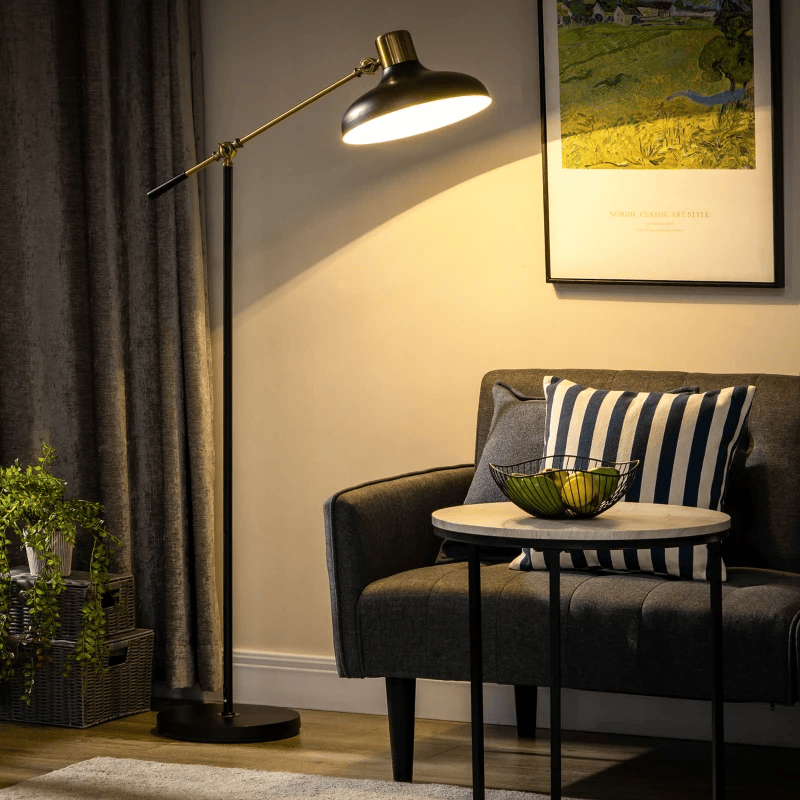
Lighting plays an important role in the appearance, comfort, and functionality of a modern home. A well-planned lighting setup can make rooms feel more welcoming, highlight architectural details, support everyday activities, and complement contemporary furniture and décor. Modern lighting is no longer limited to a single ceiling fixture in each room. Homeowners can combine ceiling lights, floor lamps, table lamps, wall lights, pendant fixtures, recessed lighting, and smart lighting to create a balanced environment.
The best lighting for modern homes depends on the purpose of each room, available natural light, ceiling height, interior style, and personal preferences. Understanding different lighting types and how they work together can help homeowners create spaces that are both practical and visually appealing.
Understanding the Three Main Types of Lighting
Modern home lighting can generally be divided into three categories: ambient, task, and accent lighting.
Ambient lighting provides general illumination throughout a room. Ceiling fixtures, recessed lights, chandeliers, and large floor lamps can serve this purpose.
Task lighting provides focused illumination for specific activities. Desk lamps, reading lamps, under-cabinet lights, and vanity fixtures are common examples.
Accent lighting highlights particular features such as artwork, architectural details, shelves, plants, or decorative objects. Wall sconces, spotlights, and directional fixtures can be used to create this effect.
Combining these three types can create a more flexible and comfortable lighting environment.
Ceiling Lights for General Illumination
Ceiling lights are often the primary source of illumination in modern homes. Flush-mount and semi-flush fixtures are suitable for rooms with standard or lower ceilings, while pendant lights and chandeliers can provide decorative impact in spaces with greater ceiling height.
Recessed lighting offers a streamlined appearance because the fixtures sit within the ceiling. It can be used throughout kitchens, living rooms, hallways, and other areas where a minimalist design is preferred.
When choosing ceiling lights, consider the room's dimensions and the amount of illumination required. A large room may need several fixtures or a combination of lighting sources rather than one central light.
Pendant Lights for Modern Interiors
Pendant lights are suspended from the ceiling and can provide both practical illumination and decorative interest. They are particularly useful above kitchen islands, dining tables, breakfast counters, and seating areas.
Modern pendant lights come in many shapes and materials, including metal, glass, fabric, wood-style finishes, and mixed materials. Simple geometric designs can complement minimalist interiors, while larger statement fixtures can become a focal point.
The hanging height should be appropriate for the location. Fixtures placed above tables or counters should provide adequate light without obstructing normal activities or views.
Floor Lamps for Flexible Lighting
Floor lamps are useful when homeowners want additional lighting without installing new electrical fixtures. They can be moved between suitable locations as room layouts change.
A floor lamp beside a sofa or reading chair can provide task lighting, while an upward-facing design can contribute to ambient illumination. Arc lamps can extend over seating areas, while slim designs can fit into corners and narrow spaces.
When selecting a floor lamp, consider its base stability, height, shade design, bulb compatibility, and available floor space.
Table Lamps for Bedrooms and Living Spaces
Table lamps provide localized lighting for nightstands, desks, side tables, consoles, and other surfaces. They can contribute both functional illumination and decorative style.
A bedside lamp can provide convenient light for reading or other activities without requiring the entire bedroom to be illuminated. Desk lamps can provide focused light for work and study.
Modern table lamps are available in a wide variety of shapes and finishes. Choose a lamp that is appropriately sized for the table and does not interfere with other objects.
Wall Lighting and Sconces
Wall lights and sconces can add illumination while saving floor and table space. They are useful in hallways, bedrooms, bathrooms, living rooms, and entryways.
Wall sconces can be installed individually or in pairs, depending on the room and desired effect. They can also highlight artwork, mirrors, architectural features, or specific areas.
Before installation, consider the height and placement of the fixture. Wall lights should provide useful illumination without producing uncomfortable glare.
Under-Cabinet Lighting
Under-cabinet lighting can improve visibility on kitchen countertops and other work surfaces. LED strips, puck lights, and linear fixtures are common choices.
This type of lighting is particularly useful because overhead fixtures can sometimes cast shadows onto counters. Under-cabinet lights place illumination closer to the work area, making food preparation and other tasks easier.
Choose fixtures with appropriate brightness and a color temperature that complements the rest of the kitchen.
LED Lighting for Modern Homes
LED technology is widely used in modern residential lighting. LED bulbs and integrated fixtures are available in ceiling lights, lamps, wall fixtures, strips, and many other designs.
When choosing LED lighting, look at brightness, color temperature, dimming compatibility, and the fixture's specifications. LEDs are available in warm, neutral, and cooler light appearances.
Warm light can create a cozy atmosphere in bedrooms and living rooms, while neutral lighting can work well in kitchens, bathrooms, and work areas. The best choice depends on the room's purpose and overall design.
Smart Lighting Systems
Smart lighting can provide additional control and convenience. Depending on the system, users may be able to adjust brightness, schedule lights, or control fixtures through compatible apps, remotes, or voice assistants.
Smart bulbs can be useful when homeowners want to change lighting without replacing an existing fixture. Smart switches can provide another option for controlling compatible lights.
Before purchasing smart lighting products, check compatibility with the home's existing devices and network setup.
Choosing the Right Color Temperature
Color temperature can influence how a room feels. Warm lighting generally produces a softer and more relaxing atmosphere, while cooler lighting can create a brighter and more energetic appearance.
Using different color temperatures for different rooms can be practical. Bedrooms and living areas often benefit from warmer tones, while kitchens, home offices, and utility areas may work well with neutral or cooler lighting.
For connected spaces, maintaining a reasonably consistent lighting appearance can help create visual continuity.
Dimmable Lighting for Greater Flexibility
Dimmable fixtures allow homeowners to adjust brightness according to the time of day and activity. A bright setting may be useful for cleaning or working, while lower illumination can create a calmer atmosphere in the evening.
Not every LED bulb or fixture is compatible with every dimmer. Check compatibility before installation to avoid flickering or other performance problems.
Dimmers can be particularly useful in living rooms, dining areas, bedrooms, and multipurpose spaces.
Lighting Small and Large Rooms
Small rooms generally benefit from lighting that provides sufficient brightness without occupying too much visual or physical space. Recessed fixtures, compact ceiling lights, wall sconces, and slim floor lamps can be useful choices.
Larger rooms may require multiple lighting layers. Combining ceiling lights with floor lamps, table lamps, wall fixtures, or accent lighting can distribute illumination more evenly.
Always consider natural light when planning artificial lighting. A room with large windows may need less artificial light during the day than a room with limited daylight.
Safety and Maintenance
Proper installation and maintenance are essential for residential lighting. Fixtures should be installed according to manufacturer instructions and applicable electrical requirements.
Replace damaged cords, cracked fixtures, or faulty components promptly. Keep lamps and fixtures away from materials that could become excessively hot, and use bulbs with the correct wattage or specifications.
Dust and dirt can reduce the effectiveness of some fixtures, so clean lamps, shades, and accessible light surfaces regularly using appropriate methods.
Conclusion
The best lighting for modern homes combines functionality, comfort, efficiency, and style. Ceiling lights can provide general illumination, while pendant fixtures, floor lamps, table lamps, wall sconces, and under-cabinet lights can address specific needs. LED technology and smart controls can provide additional flexibility, while dimmers and carefully selected color temperatures allow homeowners to adapt lighting to different activities.
Before choosing lighting, consider the room's purpose, size, natural light, ceiling height, furniture arrangement, and existing décor. A layered approach that combines ambient, task, and accent lighting can create a balanced environment that looks modern while remaining practical for everyday living.
Frequently Asked Questions
1. How can lighting make a small room look larger?
Using multiple light sources and illuminating walls or darker corners can make a small room feel more open. Light-colored surfaces can also reflect illumination and contribute to a brighter appearance.
2. Can different lighting styles be mixed in one room?
Yes. Mixing fixtures can create a layered and personalized look. Coordinating finishes, shapes, or color tones can help different lighting styles appear cohesive.

 English
 Arabic
 French
 Spanish
 Portuguese
 Deutsch
 Dutch
Dutch
 Italiano
 Russian
 Romaian
 Portuguese (Brazil)
 Greek
Greek
 Bengali