


How to Choose a Secure Yellow Diamond Ring Setting
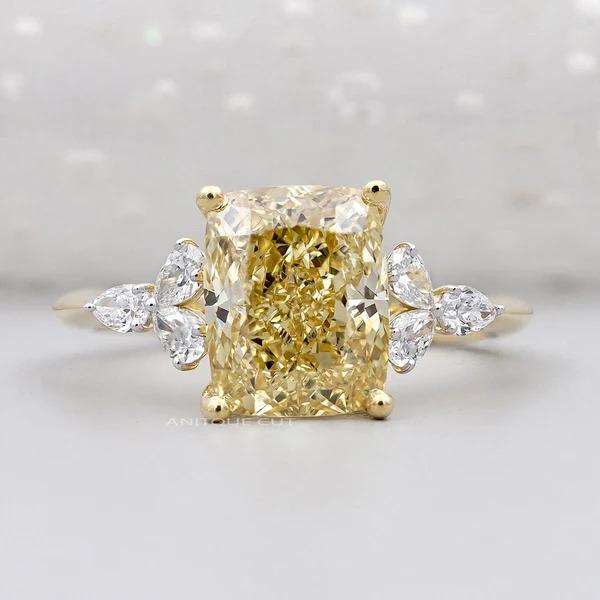
Choosing a yellow diamond engagement ring is not only about finding a stone you love. The setting matters just as much because it holds the diamond in place every day. A beautiful center stone can become a worry if the setting is too delicate, the prongs are poorly placed, or the design does not suit your lifestyle.
The good news is that you do not need to choose between a beautiful design and good protection. Several ring settings can keep a yellow diamond well supported while still giving the ring the look you want. The key is understanding how each setting protects the stone and choosing one based on the diamond shape, daily activities, and personal style.
Why the Setting Matters for a Yellow Diamond
The setting is the part of the ring that secures the diamond to the band. It protects the stone from movement, accidental knocks, and everyday contact with clothing or other objects.
Yellow diamonds can be especially eye-catching because of their warm color, so the setting should support the stone without taking attention away from it. A setting that leaves too much of the diamond exposed may not be the best choice for someone who works with their hands or rarely removes their ring.
Before choosing a design, think about how often the ring will be worn. A ring worn every day needs a different level of protection from one reserved for special occasions.
H2Look at the Prong Design First
Prongs are small metal pieces that sit over the diamond and hold it in place. Their number, shape, and position can make a noticeable difference in how secure the center stone is.
Four-Prong Setting
A four-prong setting gives the diamond a clean appearance and allows plenty of light to enter from different directions. However, because there are fewer points holding the stone, damage or loosening of one prong deserves quick attention.
This option can work well for people who like a simple ring and are comfortable having the setting checked regularly.
Six-Prong Setting
A six-prong setting provides additional support around the center diamond. If one prong becomes damaged, the remaining prongs may still provide some support until the ring can be repaired.
For someone looking for extra security in an everyday ring, six prongs can be a sensible choice.
Claw Prongs
Claw-style prongs can create a neat appearance around the diamond, but they need to be properly made and finished. The tips should sit securely over the stone without being so thin that they wear down quickly.
Ask the jeweler how thick the prongs are and whether they are designed for regular wear.
Consider a Bezel Setting for Extra Protection
A bezel setting surrounds the edge of the diamond with a thin metal rim. Instead of holding the stone with separate prongs, the metal surrounds much of its perimeter.
This can be a strong choice if you are concerned about catching the ring on clothes or knocking the diamond against hard surfaces. It also gives the ring a smooth profile, which many people find practical for everyday use.
The main consideration is that a bezel covers more of the diamond than a prong setting. If you want the center stone to be highly exposed, a bezel may not give you the look you prefer.
Think About a Halo Setting
A halo setting places smaller diamonds around the center stone. Besides adding detail around the yellow diamond, the surrounding stones can create a layer of structure around the center.
However, a halo does not automatically make a ring secure. The center stone still needs a properly designed setting, strong prongs or another suitable holding method, and a stable connection to the ring's basket.
When considering a halo, inspect how the center diamond is held rather than judging security only by the number of surrounding stones.
Choose the Right Metal
The metal also plays a role in the durability of a ring setting. Yellow gold, white gold, and platinum are common choices, and each has different characteristics.
Platinum is known for its strength and is often chosen for settings where durability is important. White gold can also work well, provided the setting is properly made and maintained. Yellow gold creates a warm color combination that can work particularly well with a yellow center diamond.
The best choice depends on your budget, preferred appearance, maintenance expectations, and how you plan to wear the ring.
Match the Setting to the Diamond Shape
The diamond's shape should influence the setting you choose.
Round diamonds generally work well with several prong arrangements. Oval and pear-shaped diamonds need careful attention around their pointed or curved areas. A pear-shaped diamond, for example, usually needs strong protection around its pointed tip because that area can be more vulnerable to impact.
Cushion, radiant, and emerald-cut diamonds can also be paired with different settings, but the proportions of the stone should always be considered before deciding on the final design.
Check the Basket and Gallery
Do not look only at the part of the setting that you can see from above. Turn the ring over and examine the basket and gallery underneath the center diamond.
A well-built basket should connect securely to the band and provide stable support for the stone. The connections should not look extremely thin or poorly finished.
This is particularly important when buying a ring online. Look carefully at product photographs from different angles and ask the jeweler for additional images if necessary.
Think About Your Daily Routine
Your lifestyle should influence your setting more than trends.
If you work at a desk and remove your ring during sports, cleaning, and other physical activities, you may have more setting options. If you work with your hands, exercise regularly while wearing your ring, or often handle tools and equipment, a more protective setting may make sense.
A lower-profile setting can also be useful if you frequently bump your hands against surfaces. The less the center stone rises above the finger, the fewer opportunities there may be for it to catch on objects.
Ask These Questions Before Buying
Before purchasing your ring, ask the jeweler:
- How many prongs hold the center diamond?
- What happens if one prong becomes damaged?
- Is the center stone set securely in the basket?
- How high does the diamond sit above the finger?
- Is the setting suitable for everyday wear?
- Can the prongs be repaired or replaced?
- What maintenance does the setting require?
- Is the diamond properly secured before shipping?
These questions can prevent unpleasant surprises later.
Explore Your Options Before Making the Final Choice
Explore Collection of Yellow Diamond Engagement Ring designs to compare different settings, stone shapes, metal choices, and band styles before deciding. At Antiquecut, looking closely at these details can help you choose a ring that feels right for both your taste and everyday routine.
Check the Ring Regularly After Purchase
Even a well-made setting needs care. Prongs can wear down over time, especially when a ring is worn frequently. Dirt can also collect around the stone and make it harder to notice small problems.
Take a moment every few weeks to look at the prongs and center stone. If the diamond feels loose, the setting looks damaged, or a prong catches on clothing, stop wearing the ring and have it inspected by a jeweler.
A professional inspection once in a while is also a good idea. Finding a small problem early can be much easier and less expensive than dealing with a loose or damaged diamond.
Final Thoughts
The safest setting is not necessarily the one with the most metal or the most complicated design. It is the setting that properly fits the yellow diamond, suits your lifestyle, and is made with enough support for regular wear.
Prongs, bezels, basket construction, metal choice, and setting height all deserve attention before you buy. Take your time, ask questions, and look at the ring from every angle. When the setting feels secure and the design still feels like you, you can enjoy wearing your yellow diamond engagement ring with much greater confidence.

 English
 Arabic
 Spanish
 Portuguese
 Deutsch
 Turkish
 Dutch
Dutch
 Italiano
 Russian
 Romaian
 Portuguese (Brazil)
 Greek
Greek
 Bengali