


The Benefits of Using a Water Softener at Home
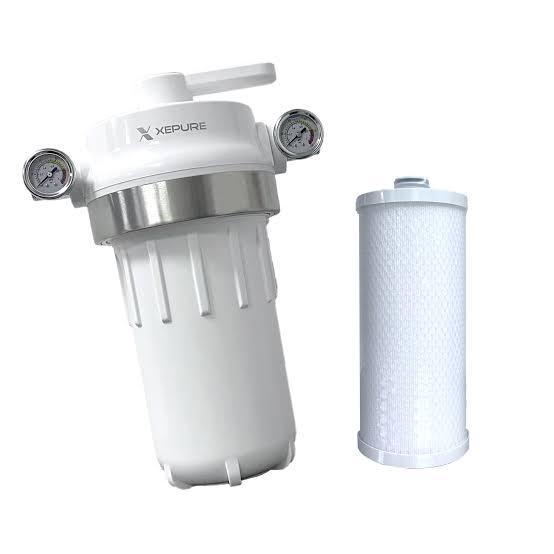
Hard water contains high concentrations of minerals like calcium and magnesium, which can create a variety of problems in residential plumbing systems. These minerals often lead to limescale buildup, stained fixtures, reduced appliance efficiency, and increased cleaning effort. Installing a water softener is an effective way to remove hardness minerals and improve the overall quality of your household water.
A water softener uses a reliable ion exchange process to treat hard water before it flows through your home's plumbing. During this process, calcium and magnesium ions are replaced with sodium or potassium ions, producing soft water that helps prevent scale deposits. This treatment keeps pipes cleaner and supports the efficient operation of water-using appliances.
One of the most important advantages of a water softener is protecting household appliances from mineral damage. Water heaters, washing machines, dishwashers, and coffee makers can work more efficiently when scale buildup is minimized. Better performance often means lower energy consumption, fewer repairs, and a longer service life for expensive equipment.
Soft water also improves personal care and laundry results. Soap, shampoo, and body wash create a richer lather, making it easier to clean your skin and hair while leaving behind less residue. Clothes washed in softened water often remain softer, brighter, and in better condition because mineral deposits are greatly reduced.
Cleaning tasks become much simpler with a water softener. Hard water stains on faucets, sinks, shower doors, and glass surfaces are less likely to appear, reducing the time and effort needed for household cleaning. Since detergents perform better in soft water, you can often use smaller amounts while still achieving outstanding results.
When choosing a water softener, homeowners should consider factors such as water hardness, family size, and daily water usage. Many modern systems feature automatic regeneration, digital controls, and efficient salt management, making them easy to operate while delivering dependable performance for years.
Proper maintenance is essential to keep a water softener functioning efficiently. Regularly refilling the salt tank, cleaning the brine tank, and performing routine inspections will help ensure consistent water quality and maximize the lifespan of the system.
Installing a premium water softener is a practical investment that improves water quality, protects plumbing and household appliances, reduces cleaning time, and enhances everyday comfort. With regular maintenance, a dependable water softener delivers long-lasting performance, lower operating costs, and a reliable supply of soft water for your entire home.

 Arabic
 French
 Spanish
 Portuguese
 Deutsch
 Turkish
 Dutch
Dutch
 Italiano
 Russian
 Romaian
 Portuguese (Brazil)
 Greek
Greek
 Bengali