


How Long Do Dental Implants Last?
A healthy and confident smile plays an important role in both appearance and oral health. Many people who have lost one or more teeth look for a permanent solution that restores both function and aesthetics. Dental Implants in Islamabad have become one of the most trusted and long-lasting options for replacing missing teeth because they closely resemble natural teeth in appearance, strength, and durability. One of the most common questions patients ask before choosing this treatment is, "How long do dental implants last?" Understanding the lifespan of dental implants and the factors that influence their longevity can help individuals make an informed decision about their oral health.
Understanding Dental Implants
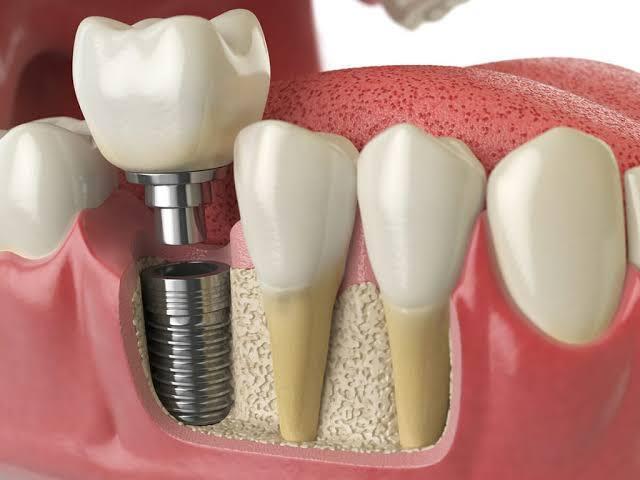
Dental implants are artificial tooth roots made from biocompatible materials, most commonly titanium. These implants are surgically placed into the jawbone, where they gradually fuse with the surrounding bone through a natural process known as osseointegration. Once the implant has fully integrated with the jawbone, a connector called an abutment is attached, followed by a custom-made dental crown that completes the restoration.Unlike removable dentures or traditional dental bridges, implants are fixed in place and function like natural teeth. They provide excellent stability while eating, speaking, and smiling. Because they become part of the jawbone, dental implants also help preserve bone density and prevent the facial changes that often occur after tooth loss.
Average Lifespan of Dental Implants
Dental implants are designed to be a long-term solution for missing teeth. In many cases, the titanium implant itself can last for several decades and often remains functional for a lifetime with proper care. Numerous clinical studies have reported success rates exceeding 95 percent after ten years, and many implants continue functioning successfully even after twenty-five years or more.While the implant fixture embedded in the jawbone can last a lifetime, the dental crown attached to it may eventually require replacement. Crowns typically last between ten and fifteen years, although many continue functioning well beyond that depending on the material used, oral hygiene practices, and daily wear. Replacing a worn crown is generally a straightforward procedure that does not require removing the implant itself.
Why Dental Implants Last So Long?
One of the primary reasons dental implants have such exceptional longevity is their unique design and biological integration. The titanium implant becomes permanently bonded to the jawbone, creating a stable foundation that closely resembles the root of a natural tooth. This integration allows the implant to withstand normal chewing forces without shifting or loosening.Titanium is highly resistant to corrosion and is well accepted by the human body, making implant rejection extremely rare. In addition, dental implants do not decay like natural teeth because they are made from artificial materials. Although the surrounding gum tissue must remain healthy, the implant itself is not susceptible to cavities, contributing to its long lifespan.
Factors That Affect the Lifespan of Dental Implants
Although dental implants are incredibly durable, several factors influence how long they remain successful. One of the most significant factors is oral hygiene. Patients who brush and floss regularly and attend routine dental checkups are more likely to enjoy decades of implant function without complications.Gum health is equally important. Healthy gums provide essential support for the implant, while untreated gum disease can lead to inflammation around the implant, a condition known as peri-implantitis. If left untreated, this infection may damage the surrounding bone and compromise implant stability.Lifestyle habits also play a major role. Smoking significantly increases the risk of implant failure because it reduces blood circulation, delays healing, and weakens the body's immune response. Patients who quit smoking before and after implant surgery generally experience much better long-term outcomes.Overall health conditions can also affect implant longevity. Diseases such as uncontrolled diabetes, osteoporosis, or immune disorders may slow healing and increase the risk of complications. However, many patients with these conditions can still receive successful implants when their health is carefully managed under professional supervision.
The Importance of Proper Implant Placement
The experience and expertise of the dental professional performing the implant procedure greatly influence long-term success. Accurate planning, advanced imaging, and precise implant placement ensure that the implant integrates properly with the jawbone and distributes biting forces evenly.Modern dental technology, including digital scans and three-dimensional imaging, allows dentists to evaluate bone quality, identify important anatomical structures, and determine the ideal implant position before surgery begins. Careful planning minimizes complications and significantly improves implant longevity.Patients should always choose an experienced implant dentist who follows internationally accepted treatment protocols and provides comprehensive follow-up care after the procedure.
Daily Care for Long-Lasting Dental Implants
Although dental implants cannot develop cavities, they still require consistent daily care. Plaque and bacteria can accumulate around the gums, increasing the risk of infection if oral hygiene is neglected.Patients should brush their teeth at least twice a day using a soft-bristled toothbrush and fluoride toothpaste. Daily flossing is essential for cleaning around the implant and removing food particles from difficult-to-reach areas. Many dentists also recommend using interdental brushes or water flossers to improve cleaning around implant-supported restorations.Regular professional cleanings are equally important. Routine dental visits allow the dentist to monitor the implant, assess gum health, remove hardened plaque deposits, and identify any early signs of complications before they become more serious.
Can Dental Implants Fail?
Although dental implants have one of the highest success rates in modern dentistry, failures can occasionally occur. Early implant failure usually happens during the healing phase if the implant does not successfully fuse with the jawbone. This may result from infection, insufficient bone quality, smoking, excessive pressure on the implant, or certain medical conditions.Late implant failure typically develops years after successful placement and is often associated with poor oral hygiene, gum disease, excessive bite forces, or trauma. Fortunately, these complications are relatively uncommon, especially when patients follow their dentist's instructions and maintain regular dental care.Even if an implant fails, it can often be replaced after appropriate treatment and healing, allowing the patient to restore both function and appearance.
How Age Affects Implant Longevity?
Age itself is generally not a limiting factor for dental implants. Older adults often enjoy excellent long-term results because implants help restore chewing efficiency, improve nutrition, and enhance overall quality of life. As long as a patient has sufficient bone volume and is healthy enough to undergo minor oral surgery, age alone does not reduce implant success.In fact, many patients in their sixties, seventies, and even eighties continue using their dental implants successfully for many years. The overall health of the patient and their commitment to oral hygiene have a far greater impact than chronological age.
Protecting Your Dental Implants
Patients who grind or clench their teeth may place excessive pressure on their implants over time. In such cases, dentists often recommend wearing a custom-made night guard while sleeping to protect both the implant and the natural teeth from unnecessary wear.Avoiding harmful habits is equally important. Chewing ice, biting hard objects, opening packages with the teeth, or using teeth as tools can damage the implant crown and surrounding structures. Maintaining a balanced diet, staying hydrated, and avoiding tobacco products all contribute to healthier gums and longer-lasting implant success.
Are Dental Implants Worth the Investment?
Dental implants generally require a higher initial investment than removable dentures or traditional bridges. However, their exceptional durability often makes them the most cost-effective solution over the long term. Unlike dentures that may require frequent adjustments or replacement, implants offer a stable and permanent restoration that can last for decades.Beyond their longevity, implants preserve jawbone health, maintain facial structure, improve speech, restore comfortable chewing, and provide a natural-looking smile. These long-term benefits significantly enhance both oral function and self-confidence, making dental implants a worthwhile investment for many patients.
Conclusion
Dental implants are among the most durable and reliable tooth replacement options available in modern dentistry. With proper planning, skilled placement, excellent oral hygiene, and regular professional care, the implant itself can often last a lifetime, while the attached crown may only require replacement after many years of normal use. Patients who maintain healthy gums, avoid smoking, attend routine dental checkups, and protect their implants from excessive stress can enjoy decades of comfortable function and a beautiful smile

 English
 Arabic
 French
 Spanish
 Portuguese
 Deutsch
 Turkish
 Dutch
Dutch
 Russian
 Romaian
 Portuguese (Brazil)
 Greek
Greek
 Bengali