


How Dermatologists Remove Sebaceous Hyperplasia in Riyadh
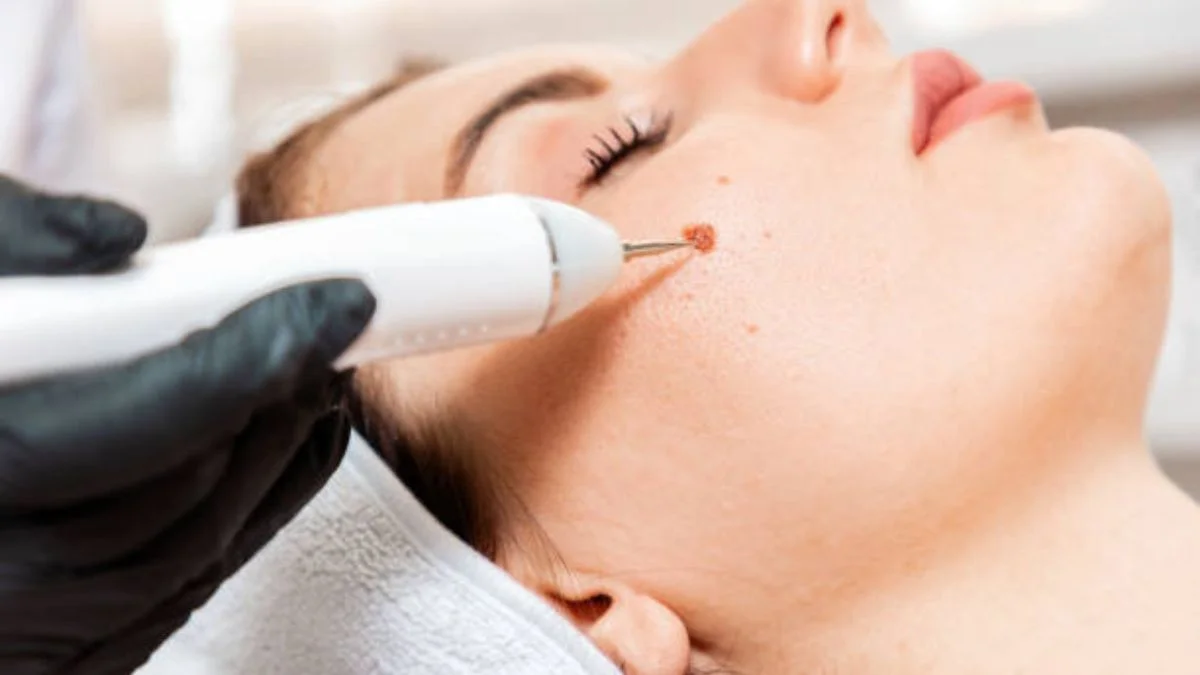
How Dermatologists Remove Sebaceous Hyperplasia in Riyadh
Sebaceous hyperplasia is a very common, benign skin condition that manifests as small, yellowish or flesh-colored bumps, often with a slight indentation or "crater" in the center. These growths occur when oil glands (sebaceous glands) become enlarged and trapped under the surface of the skin. While they are completely harmless, they are frequently mistaken for acne or basal cell carcinoma, and many individuals seek their removal for cosmetic reasons, particularly when they appear in clusters on the forehead, nose, or cheeks. Skin Lesion Removal in Riyadh clinics provides specialized care to address these growths using techniques that prioritize both cosmetic clarity and the health of the surrounding skin.
Understanding the Diagnosis
Before any removal procedure, a professional consultation is necessary to confirm the diagnosis. Because sebaceous hyperplasia can look remarkably similar to certain types of skin cancer, a dermatologist’s trained eye—often using a dermatoscope—is required to ensure the growth is indeed benign. The classic sign of sebaceous hyperplasia is the central pore or umbilication, where multiple enlarged glands are clustered around a single follicular opening. If a lesion is atypical in color, shape, or texture, the physician may recommend a biopsy to rule out malignancy, prioritizing safety above all else.
Professional Removal Techniques
Because sebaceous hyperplasia involves structures that reside deeper in the skin than a simple skin tag or a superficial crust, complete removal can sometimes be challenging. Dermatologists in Riyadh employ several refined techniques to treat these lesions effectively:
-
Electrodessication and Curettage: This is a standard and highly effective approach. The dermatologist uses an electrical probe to gently "dessicate" or shrink the enlarged gland, often followed by a delicate curettage to remove the contents. This provides a clean, controlled way to eliminate the bump.
-
Laser Therapy: Advanced laser systems, such as CO2 or Erbium lasers, are frequently used for precision removal. These lasers can vaporize the hyperplastic tissue layer by layer with remarkable accuracy, which is especially beneficial for treating multiple lesions on the face. This method often results in excellent cosmetic outcomes with minimal risk of scarring.
-
Cryotherapy: In some instances, liquid nitrogen is used to freeze the enlarged gland. While this is a quick procedure, it requires a very experienced touch to ensure the freezing is limited only to the gland, as excessive cold can cause pigment changes in the surrounding skin.
-
Topical or Chemical Treatments: For patients who are not candidates for physical removal, a dermatologist may suggest specialized topical treatments, such as retinoids or chemical peels (like trichloroacetic acid), to help reduce the size of the glands over time. These are typically slower-acting and require ongoing consistency.
Healing and Aftercare Considerations
The goal of treating sebaceous hyperplasia is to improve the skin's texture while minimizing the visibility of any post-procedural marks. Recovery typically involves a small, temporary scab that falls off naturally after a week or two.
To achieve the best possible cosmetic result, patients in the region must be diligent with aftercare:
-
Strict Sun Protection: This is the single most important factor. The area where the gland was removed will be sensitive. Consistent use of high-SPF, broad-spectrum sunscreen is essential to prevent hyperpigmentation, especially in the intense local climate.
-
Gentle Skincare: Avoid using harsh scrubs, chemical exfoliants, or aggressive acne treatments on the healing site until your dermatologist gives the green light.
-
Realistic Expectations: Sebaceous hyperplasia is often a result of an individual’s skin type and genetics. While these procedures remove the current lesions effectively, there is a possibility that new ones may develop over time. A long-term relationship with a dermatologist can help manage new growths as they appear, keeping the complexion clear and consistent.
By working with a qualified professional in Riyadh, patients can safely and effectively address these bothersome growths. With the right blend of modern technology and careful post-procedural care, you can achieve a smoother, more refined skin appearance, confident in the knowledge that your care is grounded in expert medical evaluation.

 English
 Arabic
 French
 Spanish
 Portuguese
 Deutsch
 Turkish
 Dutch
Dutch
 Italiano
 Russian
 Romaian
 Greek
Greek
 Bengali