


Inventory Management Software: A Guide for Ecommerce Brands
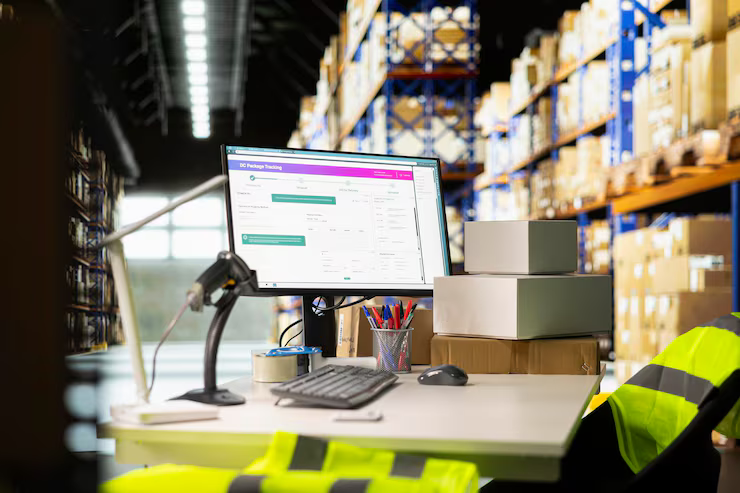
Managing inventory is one of the trickiest parts of running an online business, and it only gets harder as you grow. Once you're selling across websites, marketplaces, and social platforms, keeping track of stock by hand just doesn't work anymore. Get it wrong and you're looking at overselling, late shipments, annoyed customers, lost sales, the whole mess. Inventory management software is one of those investments that pays for itself pretty quickly. Get the right system in place, and you stop firefighting stock errors and start actually growing the business.
Why Inventory Management Is Essential
Inventory isn't just boxes sitting in a warehouse somewhere. It touches customer satisfaction, cash flow, basically, how the whole business runs. When your stock records are off, you end up selling things you don't have, or sitting on way more stock than you need, money tied up that could be doing something useful instead.
An inventory management solution gives you a clear view of how stock actually moves. You can track levels, see what's selling and what isn't, and make better calls on what to buy next. Fewer mistakes, smoother operations, that's really the whole point.
Key Features to Look For
Before picking any software, figure out what your business actually needs first. A good platform should have real-time inventory tracking, multi-channel sync, barcode support, decent reporting, purchase order management, and it needs to plug into your e-commerce platforms without hassle.
These features let you run everything from one dashboard instead of five spreadsheets. Less manual entry, fewer errors. And if the software's actually easy to use, your team picks it up fast instead of needing weeks of training.
Benefits of Automated Inventory Management
Here's the big one: automated inventory management kills off most of the repetitive busywork. A sale happens, a return comes in, stock gets adjusted, it all updates across every channel automatically. Nobody has to go in and fix it manually.
That automation cuts down on human error and keeps your numbers accurate all day, not just after someone remembers to update a spreadsheet. You also get low stock alerts, reorder notifications, and easier transfers between warehouses without anyone chasing it down.
As order volume climbs, automation lets you scale without hiring a small army to keep up with the admin work.
Managing Inventory Across Multiple Sales Channels
Hardly anyone sells through just one platform anymore. Most brands run their own store and sell on marketplaces and social commerce too.
Without something tying it all together, keeping stock synced across every channel turns into a nightmare. Sell something on one platform and it might not update anywhere else right away, and that's exactly how you end up overselling.
Inventory management software syncs everything in real time, so wherever someone's shopping, they're seeing accurate stock, not guesswork.
Better Forecasting and Inventory Planning
Good inventory management really comes down to understanding what customers want, and when.
Modern software gives you reports and sales analytics, that show buying trends, seasonal spikes, what's flying off the shelves versus what's just sitting there. That kind of insight helps you plan ahead instead of guessing and it keeps you from holding onto stock that you don't need.
Better forecasting means smarter buying, which means your money isn't locked up in inventory, that's just gathering dust.
Improving Customer Satisfaction
Customers want accurate stock info, fast shipping and orders that actually show up when promised. Inventory mistakes lead to cancelled orders, shipping delays, the kind of experience that makes people not come back.
Get inventory right and orders move faster with fewer mistakes. . Deliver consistently and customers trust you, they come back, and they tell other people too. That word of mouth matters more than most businesses realize.
Choosing the Right Solution for Your Business
Every business is a little different, so when you're picking inventory management software, think about scalability, ease of use, what it integrates with, reporting, automation, support, and obviously, the price tag.
The right software grows with you. It shouldn't just handle what you need today; it should still make sense a year or two down the road.
Final Thoughts
Good automated inventory management from MySellingHub keeps your stock numbers accurate, cuts down on manual work, and makes customers happier with fewer mistakes along the way. E-commerce isn't slowing down anytime soon, and having a system you can actually rely on is what separates brands that scale smoothly from the ones stuck putting out fires.

 English
 Arabic
 French
 Spanish
 Portuguese
 Turkish
 Dutch
Dutch
 Italiano
 Russian
 Romaian
 Portuguese (Brazil)
 Greek
Greek
 Bengali