


What Are the Most Important Facts About Burn Reconstructive Surgery?
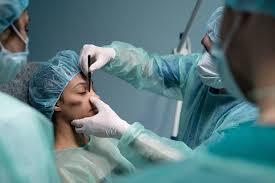
Burn injuries can have lasting effects that extend far beyond the initial wound. They may affect the skin, muscles, joints, appearance, and even a person's confidence and daily activities. Burn Reconstructive Surgery in Islamabad has become an advanced solution for individuals seeking to restore both function and appearance after burn-related damage. Rather than focusing solely on cosmetic improvement, reconstructive procedures are designed to repair damaged tissues, improve mobility, reduce discomfort, and help patients regain a better quality of life.Every burn injury is different, and the treatment approach depends on the severity, location, and depth of the damage. Modern reconstructive surgery combines surgical expertise with advanced techniques to achieve natural-looking and functional results. Understanding the essential facts about this procedure allows patients to make informed decisions and set realistic expectations before beginning their recovery journey.
Understanding Burn Reconstructive Surgery
Burn reconstructive surgery is a specialized branch of plastic and reconstructive surgery that focuses on repairing tissue damaged by burns. Severe burns often destroy multiple layers of skin and sometimes affect muscles, tendons, and underlying structures. Even after the burn wound heals, patients may experience scar contractures, limited movement, uneven skin texture, and visible deformities.The primary objective of reconstructive surgery is to restore normal function while improving the appearance of the affected area. Depending on individual needs, treatment may involve skin grafting, tissue expansion, flap surgery, scar revision, contracture release, or a combination of different techniques. Every surgical plan is customized according to the patient's condition rather than following a single standardized procedure.
Burn Reconstruction Is More Than Cosmetic
One of the most important facts people should understand is that burn reconstructive surgery is not simply performed to improve appearance. Although aesthetic improvement is an important benefit, restoring function remains the highest priority.
Burn scars can tighten over time, restricting movement in the neck, hands, arms, legs, or joints. Patients may struggle to perform routine activities such as walking, eating, writing, or dressing. Reconstructive surgery helps release these tight scars, improve flexibility, and restore mobility. In many cases, patients experience significant improvements in their ability to perform everyday tasks after surgery.The cosmetic improvements that accompany functional restoration also contribute to greater self-confidence and emotional well-being.
Every Burn Injury Requires Individualized Treatment
No two burn injuries heal in exactly the same way. Factors such as burn depth, affected body area, patient age, skin quality, medical history, and previous treatments all influence the reconstruction plan.A patient with facial burns may require completely different techniques than someone with burns affecting the hands or lower limbs. Similarly, children often require long-term reconstruction because their bodies continue growing, which can change the appearance and function of burn scars over time.For this reason, reconstructive surgeons carefully evaluate each patient before recommending the most suitable surgical options.
Timing Plays an Important Role
Many people assume reconstructive surgery can be performed immediately after a burn injury. In reality, timing depends on the healing process and the patient's overall health.Some procedures are performed during the early healing stages to preserve function and reduce future complications. Other reconstructive surgeries are delayed until scars have matured, inflammation has settled, and tissues become more stable.Waiting for the appropriate time allows surgeons to achieve more predictable and lasting results while reducing potential complications. Every patient's treatment timeline is carefully planned according to their healing progress.
Burn Scars Continue to Change
Burn scars are dynamic rather than permanent from the beginning. During the first year after a burn injury, scars often become thicker, firmer, darker, and tighter before gradually softening.This natural process explains why surgeons frequently monitor scar development before recommending certain reconstructive procedures. Some patients benefit from conservative treatments during this period, while others eventually require surgery to improve movement and appearance.Understanding scar maturation helps patients maintain realistic expectations throughout their recovery journey.
Several Surgical Techniques May Be Combined
Burn reconstruction rarely involves only one procedure. Instead, surgeons often combine multiple techniques to achieve the best possible outcome.Skin grafting is commonly used when healthy skin is transferred from another area of the body to cover damaged tissue. Tissue expansion gradually stretches nearby healthy skin, allowing surgeons to replace scarred areas with skin that closely matches surrounding tissues. Flap reconstruction transfers skin along with its blood supply to rebuild complex defects. Scar revision removes or rearranges scar tissue to create smoother, more flexible healing.These techniques may be performed individually or together depending on the complexity of the burn injury.
Functional Recovery Is the Primary Goal
One of the defining characteristics of burn reconstruction is its emphasis on restoring physical function.Burn contractures can severely restrict movement by pulling skin tightly across joints. This problem commonly affects the neck, shoulders, elbows, wrists, fingers, knees, and ankles. Surgical release of contractures allows improved range of motion while reducing pain associated with skin tightness.Improved function often enables patients to return to work, participate in sports, perform household activities, and regain independence that may have been lost after the burn injury.
Reconstructive Surgery Can Improve Facial Burns
Facial burns present unique physical and emotional challenges because the face plays a major role in communication and personal identity.Burn reconstruction may address eyelids that cannot close properly, lips that interfere with eating or speaking, nasal deformities, or scarred facial contours. Modern reconstructive techniques aim to restore facial balance while preserving natural expressions and movement.Although complete restoration of pre-injury appearance is not always possible, substantial improvements in both appearance and function can often be achieved.
Hand Burns Often Require Specialized Reconstruction
The hands perform countless complex movements every day, making burn injuries particularly challenging.Scar contractures affecting the fingers or palm may reduce grip strength, limit finger motion, and interfere with daily activities. Specialized reconstructive procedures help restore hand function while improving flexibility and dexterity.Rehabilitation after hand reconstruction is particularly important because consistent exercises help maintain movement and prevent stiffness during recovery.
Children May Need Long-Term Follow-Up
Burn reconstruction in children differs from treatment in adults because children's bodies continue to grow.As bones lengthen and joints develop, scars may tighten and interfere with normal growth. Some children require multiple reconstructive procedures over several years to accommodate physical development.Regular follow-up appointments allow surgeons to identify changes early and provide timely treatment whenever necessary.
Recovery Requires Patience
Another important fact is that recovery from burn reconstructive surgery is often gradual rather than immediate.Initial healing usually occurs within several weeks, but tissues continue adapting for months afterward. Swelling gradually decreases, scars soften, and movement improves through rehabilitation and ongoing healing.Patients who remain committed to their postoperative instructions generally experience better long-term outcomes than those who expect instant improvements.
Physical Therapy Is Often Essential
Surgery alone cannot always restore maximum function. Physical therapy frequently becomes an essential component of recovery.Therapists guide patients through stretching exercises, strengthening programs, joint mobilization, and movement training that prevent stiffness and improve flexibility.Consistent rehabilitation helps preserve surgical improvements while encouraging normal movement patterns throughout the healing process.
Scar Management Continues After Surgery
Even after reconstruction, scar care remains an important part of treatment.Patients may be advised to use silicone sheets, compression garments, massage techniques, moisturizers, and sun protection to support healthy scar maturation. These measures help reduce scar thickness while improving texture and appearance over time.Proper scar management complements surgical results and contributes to long-term improvements.
Emotional Healing Matters
Burn injuries often affect emotional health alongside physical recovery. Changes in appearance, prolonged treatment, discomfort, and altered self-image can influence confidence and mental well-being.Many patients find that reconstructive surgery helps restore not only physical function but also self-esteem and social confidence. Psychological support, counseling, and family encouragement can further strengthen emotional recovery during the healing process.Successful burn rehabilitation addresses both physical and emotional aspects of recovery.
Modern Surgical Techniques Have Improved Outcomes
Advancements in reconstructive surgery have significantly expanded treatment possibilities.Microsurgery allows surgeons to transfer complex tissue while preserving blood circulation. Improved skin grafting techniques provide better healing and appearance. Tissue expansion produces skin with similar color and texture to surrounding areas. Laser treatments complement surgery by improving scar quality in selected patients.These innovations have made reconstruction more effective than ever before while improving patient satisfaction.
Realistic Expectations Are Important
Patients should understand that burn reconstruction focuses on improvement rather than perfection.While modern surgery can dramatically enhance appearance and function, completely removing every scar is rarely possible. Instead, surgeons work toward creating softer, more flexible scars that interfere less with movement and become less noticeable.Setting realistic expectations before surgery contributes to greater satisfaction with the final results.
Multiple Procedures May Be Necessary
Extensive burn injuries sometimes require reconstruction in stages rather than through a single operation.Each procedure builds upon previous improvements while allowing tissues adequate time to heal between surgeries. Gradual reconstruction often provides safer outcomes and better long-term function compared with attempting every correction during one operation.Patients should view reconstruction as a carefully planned process rather than a one-time treatment.
Good General Health Supports Recovery
Overall health plays an important role in surgical healing.Balanced nutrition provides the proteins, vitamins, and minerals required for tissue repair. Avoiding smoking supports healthy blood circulation, while controlling medical conditions such as diabetes promotes proper wound healing.Following medical recommendations before and after surgery helps reduce complications and encourages smoother recovery.
Choosing an Experienced Reconstructive Surgeon Matters
Burn reconstruction requires advanced surgical training and extensive experience. Careful evaluation, precise planning, and individualized treatment are essential for achieving both functional and aesthetic improvements.An experienced reconstructive surgeon understands how scars behave over time and selects techniques that best match each patient's specific injury. Open communication between surgeon and patient also ensures that treatment goals remain realistic and personalized throughout the reconstructive journey.
Long-Term Results Continue to Improve
Healing does not stop after the surgical incision closes. Scar tissue continues to remodel for many months, gradually becoming softer and more flexible.Patients frequently notice ongoing improvements in movement, comfort, and appearance throughout the first year following surgery. Continued follow-up allows surgeons to monitor healing and recommend additional treatments if necessary.Patience, proper aftercare, and rehabilitation all contribute to successful long-term outcomes.
The Importance of Early Consultation
Seeking professional evaluation after a significant burn injury allows surgeons to develop an appropriate long-term reconstruction strategy. Even patients whose burns healed years ago may still benefit from reconstructive procedures if they experience restricted movement, discomfort, or dissatisfaction with scar appearance.An early consultation helps identify available treatment options and allows patients to understand the expected timeline, potential benefits, and realistic outcomes before beginning surgery.
Conclusion
Burn injuries often leave lasting physical and emotional challenges that extend well beyond the initial healing period. Fortunately, modern reconstructive techniques offer effective solutions for improving mobility, reducing scar contractures, restoring appearance, and enhancing overall quality of life. Understanding the most important facts about burn reconstructive surgery helps patients approach treatment with realistic expectations and confidence. From personalized surgical planning and rehabilitation to long-term scar management and emotional recovery, every stage of reconstruction contributes to meaningful improvement. With experienced surgical care, patience during healing, and commitment to postoperative rehabilitation, many burn survivors can regain greater comfort, improved function, and renewed confidence in their daily lives.

 Arabic
 French
 Spanish
 Portuguese
 Deutsch
 Turkish
 Dutch
Dutch
 Italiano
 Russian
 Romaian
 Portuguese (Brazil)
 Greek
Greek
 Bengali