


Nose Tip Plasty 101: What to Expect from Riyadh’s Top Surgeons
Nose Tip Plasty 101: What to Expect from Riyadh’s Top Surgeons
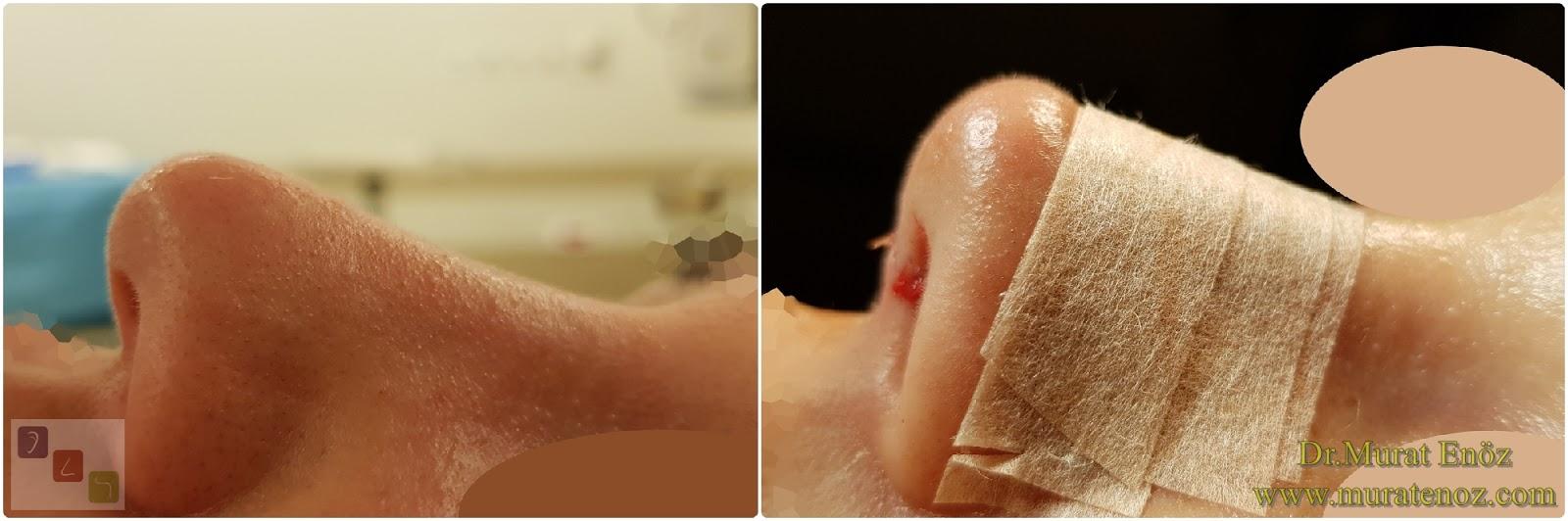
Entering the world of aesthetic enhancement requires a clear understanding of the procedures available and the objectives they serve. For many individuals looking to address specific concerns regarding the appearance of their nose, Nose Tip Plasty in Riyadh has emerged as a highly targeted and effective solution. Unlike a complete rhinoplasty, which is a broad procedure involving the nasal bones and bridge, a tip plasty focuses exclusively on the lower third of the nose. By isolating the lower lateral cartilages, surgeons can make precise, intentional changes that significantly impact facial harmony without the need for extensive surgery on the rest of the nasal structure.
The Scope of the Procedure
The primary goal of a tip plasty is to refine the nasal tip’s shape, projection, and rotation. Because it is a more focused procedure, it is often favored by those who are satisfied with their nasal profile but feel that their tip is either too bulbous, asymmetrical, or lacks the definition they desire.
Surgeons generally employ one of two main techniques to gain access to the cartilage:
-
The Closed (Endonasal) Method: This technique involves making incisions entirely inside the nostrils. It is an excellent choice for patients who require more subtle corrections, as it leaves no visible external scarring and typically involves less overall tissue disruption.
-
The Open (External) Method: This approach utilizes a small, discreet incision across the columella—the bridge of skin between the nostrils. By opening the skin envelope, the surgeon gains an unobstructed, direct view of the cartilage framework. This is often the preferred method for complex structural corrections, as it allows for the precise application of cartilage grafts to provide long-term support and definition.
Addressing Common Concerns
A tip plasty can effectively tackle several specific aesthetic issues that often lead individuals to seek consultation:
-
Bulbous Tip Reduction: When the cartilages are naturally wide or the skin is thick, the tip can appear heavy. Surgeons use a combination of trimming and specialized suturing to draw the cartilages closer together, creating a sharper, more refined aesthetic.
-
Correcting Drooping: A tip that angles downward can contribute to a face looking perpetually tired or aged. By adjusting the internal cartilage support, the surgeon can rotate the tip upward, creating a more youthful and alert facial appearance.
-
Fixing Asymmetry: Minor irregularities in the shape of the nostrils or the tip are common. With extreme attention to detail, a surgeon can balance the cartilage structures to ensure a symmetrical, harmonious appearance.
-
Enhancing Projection: For a tip that feels "flat," surgeons can strategically place cartilage grafts—usually harvested from the septum—to build up the tip, giving it better definition and a more proportionate look in relation to the rest of the face.
The Consultation and Surgical Planning
Success in any cosmetic procedure is largely dependent on the quality of the consultation. It is the time to express your specific desires and ask questions about the potential outcomes. A skilled surgeon will balance your aesthetic goals with the limitations of your natural anatomy.
Using advanced digital imaging is a standard part of the planning process. This allows you and your surgeon to review simulations of the potential results, ensuring that both parties have a clear understanding of the goal. Furthermore, the surgeon will assess your skin type; thick skin, in particular, requires a surgical plan that accounts for how the tissues will drape and settle over the new cartilage framework, ensuring that your refined look remains consistent as you heal.
What to Expect During Recovery
Though a tip plasty is more localized than a full rhinoplasty, it is still a surgical intervention that demands a dedicated period of rest and recovery. The body needs time to process the changes, and following post-operative instructions is vital for achieving the best possible outcome.
During the initial weeks, patients should anticipate:
-
Strategic Positioning: To manage swelling, you will be advised to keep your head elevated as much as possible, including while sleeping, for at least the first few days.
-
Gentle Care: If your surgeon recommends cold compresses to assist with bruising or swelling, apply them with extreme caution to the areas around the nose, being careful not to exert pressure directly on the nasal tip.
-
Internal Hygiene: Following a prescribed regimen of saline sprays or ointments is necessary to keep the internal nasal passages moist and clean, which prevents crusting and improves your overall comfort during the first week.
-
Activity Modifications: Strenuous exercise, heavy lifting, and contact sports must be put on hold for several weeks. Additionally, you should avoid wearing glasses that rest directly on the bridge of the nose, as any pressure can shift the delicate tissues while they are still in the early stages of healing.
While most patients feel comfortable returning to non-strenuous daily activities within 7 to 10 days, it is important to remember that nasal tissues are slow to finalize. The initial swelling will dissipate, but the full, refined result of the surgery often takes several months—and sometimes up to a year—to fully settle into its final shape.
Achieving Lasting Confidence
The beauty of a successful tip plasty lies in its ability to enhance rather than fundamentally change one's appearance. By focusing on the structural details of the nasal tip, individuals can achieve a balanced look that feels entirely their own. Through careful collaboration with a qualified surgeon and a disciplined approach to the recovery process, many patients find that this procedure provides the subtle, impactful change they need to feel more confident and satisfied with their overall facial profile.

 English
 Arabic
 French
 Spanish
 Portuguese
 Deutsch
 Dutch
Dutch
 Italiano
 Russian
 Romaian
 Portuguese (Brazil)
 Greek
Greek
 Bengali