


A Complete Guide to Customs Clearance in Australia
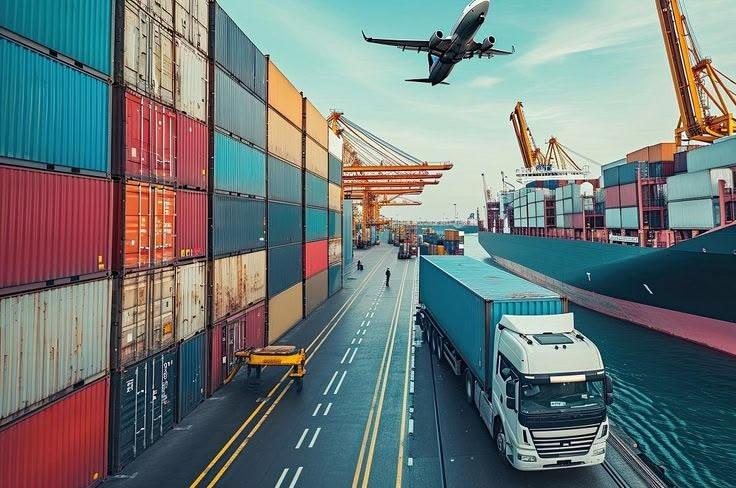
International trade plays a crucial role in Australia's economy, supporting the movement of goods between domestic and global markets. Every shipment entering or leaving the country must comply with specific customs regulations before it can proceed through the supply chain. Understanding Customs Clearance Australia procedures is essential for importers, exporters, and businesses that rely on international trade to ensure efficient and compliant cargo movement.
What Is Customs Clearance?
Customs clearance is the process through which imported or exported goods receive approval from government authorities to cross international borders. The procedure involves submitting required documentation, assessing duties and taxes, and ensuring compliance with Australian customs regulations.
The process helps protect national security, supports revenue collection, and ensures that goods entering the country meet legal and regulatory standards.
Why Customs Clearance Is Important
Customs clearance serves as a critical component of international trade operations.
Ensuring Legal Compliance
All imported and exported goods must comply with Australian customs laws. Proper customs clearance helps ensure that shipments meet these requirements.
Supporting Border Security
Customs authorities monitor cargo entering and leaving Australia to prevent prohibited or restricted goods from crossing borders.
Facilitating Trade Efficiency
Effective customs processing helps minimize delays and ensures goods move through the supply chain as smoothly as possible.
Key Steps in the Customs Clearance Process
Understanding the customs clearance process can help businesses prepare for international shipping activities.
Documentation Submission
Accurate documentation is essential for customs approval. Common documents include:
- Commercial invoices
- Packing lists
- Bills of lading
- Air waybills
- Import declarations
- Certificates of origin
- Required permits and licenses
Incomplete or incorrect paperwork may lead to delays or additional inspections.
Classification of Goods
Imported products must be assigned the correct tariff classification code. This classification determines:
- Applicable customs duties
- Regulatory requirements
- Import restrictions
- Trade agreement benefits
Proper classification is necessary for compliance and accurate duty calculations.
Customs Assessment
Authorities review submitted information to verify shipment details and determine whether all regulatory requirements have been met.
Duty and Tax Calculation
Imported goods may be subject to customs duties, Goods and Services Tax (GST), and other applicable charges. These costs are generally determined by factors such as product type, customs value, and country of origin.
Inspection and Verification
Some shipments may be selected for physical inspection or further examination. Inspections help ensure that goods match the information provided in customs declarations.
Release of Goods
Once customs requirements have been satisfied and applicable duties and taxes have been paid, goods are released for delivery or export.
Biosecurity and Customs Clearance
Australia maintains some of the world's strictest biosecurity standards.
Protecting Agriculture and Environment
Imported goods that may pose risks to agriculture, wildlife, or ecosystems often undergo additional screening and inspection procedures.
High-Risk Goods
Certain products may require:
- Biosecurity inspections
- Treatment procedures
- Import permits
- Additional documentation
Compliance with biosecurity requirements is a vital aspect of customs clearance.
Common Challenges in Customs Clearance
Several issues can complicate customs procedures.
Documentation Errors
Incorrect shipment details, missing paperwork, or inaccurate declarations are common causes of customs delays.
Tariff Classification Mistakes
Incorrect classification can affect duty calculations and lead to compliance concerns.
Regulatory Changes
Import and export regulations may change over time, requiring businesses to stay informed about current requirements.
Restricted Goods
Some items are subject to restrictions or prohibitions and may require special approvals before importation or exportation.
Best Practices for Smooth Customs Clearance
Businesses can improve customs outcomes by following several practical measures.
Maintain Accurate Records
Keeping organized shipping and customs documentation helps streamline customs procedures.
Verify Product Information
Accurate product descriptions, values, and classifications reduce the risk of customs issues.
Understand Regulatory Requirements
Researching import and export regulations before shipment helps avoid unexpected complications.
Monitor Compliance Obligations
Regularly reviewing customs requirements helps businesses adapt to regulatory changes.
Conclusion
Customs clearance is an essential process that supports safe, legal, and efficient international trade in Australia. It involves documentation review, tariff classification, duty assessment, inspections, and regulatory compliance. By understanding Customs Clearance Australia requirements and maintaining accurate shipment information, businesses and individuals can reduce delays, improve compliance, and facilitate the smooth movement of goods across international borders. Effective customs clearance contributes significantly to reliable supply chain management and successful global trade operations.

 English
 Arabic
 French
 Spanish
 Deutsch
 Turkish
 Dutch
Dutch
 Italiano
 Russian
 Romaian
 Portuguese (Brazil)
 Greek
Greek
 Bengali