


How Professional Meal Services Simplify Workplace Dining
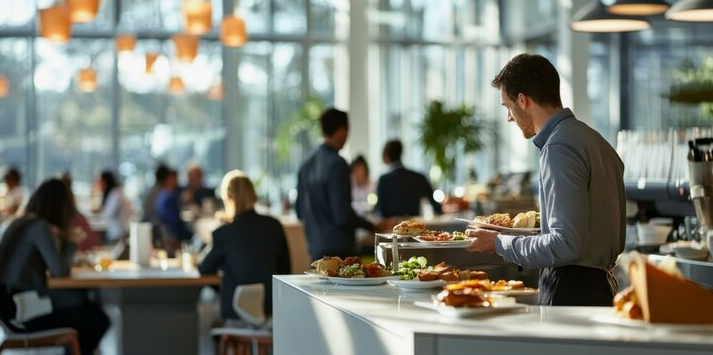
The transition of corporate dining from basic breakroom vending machines to structured meal services reflects a fundamental change in corporate culture. Historically, employees were solely responsible for sourcing their midday meals, often resulting in rushed excursions to nearby restaurants or repetitive packed lunches. Modern organizational strategies recognize that nutritional access directly impacts daily operations and employee satisfaction. By integrating structured food programs into the corporate infrastructure, companies establish a predictable environment that supports continuous operational workflows. This shift demonstrates an understanding that staff members require consistent, high-quality nourishment to maintain cognitive performance throughout the standard workday.
Furthermore, modern office environments demand greater flexibility than the traditional cafeteria model can provide. Fixed facilities require substantial real estate, significant financial investment, and constant maintenance, which may not align with fluctuating hybrid work schedules. Professional meal services offer an adaptable alternative that scales according to daily attendance, eliminating the overhead associated with permanent kitchen staff and underutilized kitchen spaces. This adjustment allows businesses of all sizes to offer quality dining options without committing to long-term facility management contracts, thereby modernizing corporate food procurement.
Maximizing Daily Productivity and Time Efficiency
One of the most immediate advantages of implementing a centralized meal program is the significant preservation of operational time. The process of leaving an office building, navigating midday traffic, waiting in lines, and returning to the workstation frequently consumes more than a single hour. When these logistical hurdles are repeated daily by numerous employees, the cumulative loss of focus and momentum becomes a measurable detriment to organizational efficiency. Providing high-quality meals directly within the workplace environment resolves this challenge, allowing staff members to transition smoothly from tasks to rest periods without leaving the premises.
Beyond the preservation of literal minutes, organized dining mitigates the mental burden of daily decision-making. Employees face numerous choices throughout their professional duties, and removing the daily dilemma of selecting a lunch destination preserves mental energy for core business objectives. The midday period functions as a true restorative break rather than a logistical chore, ensuring that individuals return to their duties with renewed focus. This sustained mental clarity helps eliminate the typical afternoon decline in performance, resulting in a more consistent and predictable output across various departments.
Addressing Complex Dietary Requirements and Inclusivity
Providing meals that accommodate every team member requires significant coordination and nutritional expertise. Corporate environments comprise individuals with varied dietary preferences, including vegetarian, ketogenic, and allergen-free requirements. Professional providers manage these complexities by designing diverse menus that clearly label ingredients and prevent cross-contamination. When organizations use professional lunch catering to satisfy these diverse needs, they foster an inclusive workplace culture where every employee feels valued and nourished. This systematic approach eliminates the stress of individual meal planning while ensuring high standards of nutritional quality.
Managing severe food allergies or medical dietary restrictions internally poses substantial liability and logistical difficulties for office managers. Specialized meal services employ trained culinary experts who adhere to strict food safety regulations and preparation protocols, mitigating these operational risks. Every meal is prepared in controlled environments where cross-contact with allergens like nuts, gluten, or dairy is rigorously prevented. This level of professional oversight guarantees that all staff members, regardless of their health considerations, can participate safely in shared company meals without anxiety or inconvenience.
Financial Predictability and Resource Optimization
From a managerial perspective, traditional methods of coordinating office meals often lead to fragmented expense reporting and unpredictable expenditures. Relying on individual staff members to submit receipts for client meetings or team lunches creates administrative burdens for accounting departments. Centralized meal services streamline this process by consolidating all culinary costs into single, predictable invoices based on fixed per-person rates. This financial transparency allows corporate planners to establish accurate annual budgets for employee amenities and adjust service levels based on precise data.
In addition to administrative simplification, professional food management significantly reduces food waste within corporate facilities. Ordering individual meals from disparate restaurants frequently results in excess packaging, over-ordering, and unconsumed food that ends up in waste streams. Professional providers use advanced forecasting methods and precise portion control to match production with actual consumption metrics. This conscious resource management supports corporate sustainability initiatives while ensuring that every dollar allocated to food programs translates into tangible, consumable value for the workforce.
Fostering Workplace Community and Corporate Culture
The shared dining experience serves as a powerful driver for cross-departmental interaction and community building within an organization. In many modern offices, employees remain isolated within their specific teams or physical quadrants, limiting opportunities for spontaneous communication. A centralized dining area supplied with appealing food options naturally draws individuals from various departments together in a relaxed setting. These informal encounters often spark creative problem-solving and communication that rarely occurs in structured formal meetings, breaking down institutional barriers naturally.
Investing in a quality meal program also serves as a clear indication of an organization's commitment to employee well-being, which enhances long-term retention and recruitment efforts. Prospective candidates increasingly evaluate total compensation packages based on workplace amenities and culture rather than salary alone. A consistent, high-quality dining program demonstrates that an employer values the health and daily comfort of its workforce. This tangible benefit improves overall workplace morale, strengthens organizational loyalty, and creates a more attractive corporate identity in competitive job markets.
Implementing Simplified Dining Systems with OrderCatering
Transitioning from fragmented food sourcing to an organized corporate meal system requires a reliable partner capable of managing complex logistics. Establishing an internal food program from scratch can overwhelm administrative staff, diverting valuable attention away from primary business operations. For corporations seeking an efficient mechanism to manage daily office meals or special corporate functions, utilizing offers a comprehensive method that removes the operational burden from your internal teams.
This platform provides access to structured menus, dependable delivery timelines, and expert nutritional planning tailored specifically to corporate environments. By coordinating your food programs through an experienced service provider, you ensure that every meal arrives fresh, properly labeled, and fully compliant with your office preferences, allowing your leadership team to focus entirely on driving business success.
Closing Thoughts
Implementing a professional meal program within the corporate environment offers far more than basic nutritional sustenance. It serves as a strategic business decision that optimizes operational efficiency, enhances employee focus, and simplifies complex administrative tasks. By addressing diverse dietary needs and consolidating expenses, organizations can eliminate the daily logistical friction associated with workplace dining. Ultimately, transforming how an office approaches food creates a more cohesive, productive, and collaborative environment that supports long-term organizational health and employee satisfaction.

 English
 Arabic
 French
 Spanish
 Portuguese
 Deutsch
 Turkish
 Dutch
Dutch
 Italiano
 Russian
 Romaian
 Portuguese (Brazil)
 Bengali