


Aerial Power Cable Solutions: How Utilities Can Reduce Power Loss, Improve Reliability, and Lower Installation Costs
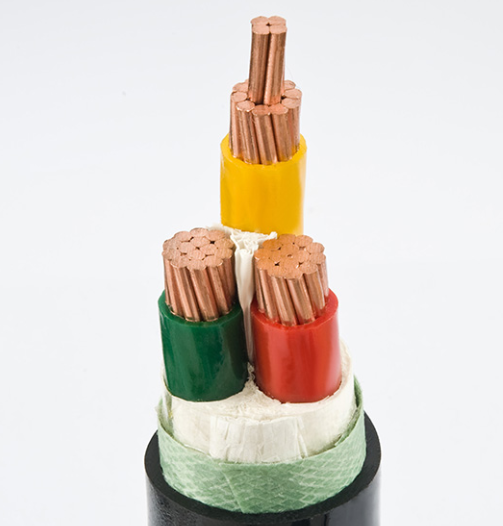
Modern power distribution networks face increasing pressure to deliver reliable electricity while controlling infrastructure costs. Utilities, EPC contractors, and industrial project developers are constantly searching for solutions that can improve network performance, minimize outages, and accelerate project deployment.
One of the most effective solutions available today is the aerial power cable. Designed for overhead power distribution, aerial power cables offer a practical alternative to traditional bare conductor systems in many environments. They enhance safety, reduce maintenance requirements, and provide dependable power delivery in urban, rural, industrial, and commercial applications.
This article explores the advantages, applications, and selection criteria of aerial power cables and explains why they have become an essential component of modern electrical infrastructure.
What Is an Aerial Power Cable?
An aerial power cable is an insulated or covered cable system installed above ground on poles or supporting structures for power transmission and distribution. Unlike conventional bare conductors, aerial power cables incorporate insulation layers that help prevent accidental contact, reduce electrical faults, and improve operational safety.
These cable systems are commonly used in:
- Urban power distribution networks
- Rural electrification projects
- Industrial facilities
- Residential developments
- Temporary power systems
- Utility grid expansion projects
The growing demand for reliable electricity and cost-effective infrastructure has significantly increased the adoption of aerial power cable solutions worldwide.
Why Utilities Are Choosing Aerial Power Cable Systems
Improved Safety Performance
One of the primary advantages of aerial power cable systems is enhanced safety.
Traditional bare conductors are exposed to environmental conditions and accidental contact risks. Insulated aerial cables provide additional protection against:
- Tree branch contact
- Wildlife interference
- Accidental human contact
- Short circuits caused by external objects
This added protection helps utilities reduce outages and improve overall network safety.
Reduced Installation Costs
Compared with underground cable installations, aerial power cable systems require significantly lower civil engineering costs.
Utilities can avoid:
- Extensive trenching
- Road excavation
- Complex duct installations
- Costly restoration work
As a result, aerial cable installations are often completed faster and at a lower overall project cost.
Faster Network Expansion
As cities expand and rural electrification projects increase, utilities need solutions that can be deployed quickly.
Aerial power cable systems allow project teams to:
- Reduce construction timelines
- Minimize site disruption
- Accelerate power connection schedules
- Improve project efficiency
This makes them ideal for rapidly developing regions and infrastructure upgrades.
Key Types of Aerial Power Cable
Aerial Bundled Cable (ABC)
Aerial Bundled Cable is among the most widely used aerial cable solutions.
ABC systems consist of multiple insulated conductors bundled together, offering:
- High safety standards
- Reduced technical losses
- Lower maintenance requirements
- Improved reliability in congested areas
ABC cables are commonly used in residential neighborhoods, commercial districts, and rural electrification projects.
Low Voltage Aerial Power Cable
Low voltage aerial cables are designed for local power distribution applications.
Typical uses include:
- Residential supply networks
- Street lighting systems
- Commercial facilities
- Temporary power installations
These cables provide efficient energy delivery while maintaining installation flexibility.
Medium Voltage Covered Conductors
Medium voltage aerial cable systems provide enhanced insulation and protection for higher-capacity distribution networks.
Benefits include:
- Greater resistance to environmental contamination
- Improved performance in forested areas
- Reduced outage frequency
- Better operational reliability
Utilities often choose covered conductors for challenging terrain and vegetation-heavy regions.
Applications of Aerial Power Cable
Urban Distribution Networks
Cities require reliable power systems that can operate safely within densely populated areas.
Aerial power cable installations help utilities:
- Improve public safety
- Reduce service interruptions
- Minimize maintenance activities
- Support growing electricity demand
Rural Electrification Projects
Many developing regions rely on aerial power cable systems to extend electrical infrastructure economically.
Benefits include:
- Lower capital investment
- Simplified installation
- Long service life
- Improved energy accessibility
Industrial Facilities
Industrial operations demand continuous power supply and network reliability.
Aerial cable systems support:
- Manufacturing plants
- Mining operations
- Processing facilities
- Logistics centers
These installations provide dependable power distribution while reducing infrastructure complexity.
Renewable Energy Integration
Renewable energy projects increasingly use aerial power cable systems to connect generation assets to distribution networks.
Applications include:
- Solar farms
- Wind power projects
- Hybrid energy systems
- Grid extension projects
The flexibility of aerial cable installation helps developers optimize project costs and timelines.
Important Factors When Selecting an Aerial Power Cable
Conductor Material
The conductor material directly influences cable performance.
Common options include:
AAC (All Aluminum Conductor)
Advantages:
- Excellent conductivity
- Lightweight construction
- Cost-effective solution
Best suited for shorter spans and urban distribution systems.
AAAC (All Aluminum Alloy Conductor)
Advantages:
- Higher mechanical strength
- Better corrosion resistance
- Longer service life
Ideal for coastal and environmentally demanding locations.
ACSR (Aluminum Conductor Steel Reinforced)
Advantages:
- High tensile strength
- Excellent sag performance
- Suitable for long-distance overhead lines
Frequently used in utility transmission and distribution projects.
Environmental Conditions
Project planners should evaluate:
- Wind loading
- Temperature variations
- Ice accumulation
- UV exposure
- Pollution levels
Proper cable selection ensures long-term reliability under local operating conditions.
Electrical Load Requirements
Cable sizing must account for:
- Current carrying capacity
- Voltage level
- Future load growth
- Network expansion plans
Proper engineering design minimizes losses and improves system efficiency.
How Aerial Power Cable Improves Grid Reliability
Power reliability is a major concern for utilities worldwide.
Aerial power cable systems help reduce:
- Weather-related outages
- Vegetation-related faults
- Maintenance interruptions
- Service downtime
By improving fault resistance and operational performance, utilities can enhance customer satisfaction while lowering long-term maintenance costs.
Why Utilities Trust HNBF Power
HNBF Power is a global manufacturer specializing in overhead conductors and power cable solutions, including:
- AAC conductors
- AAAC conductors
- ACSR conductors
- Aerial Bundled Cables (ABC)
- Low Voltage Power Cables
- Concentric Cables
With extensive manufacturing expertise and strict quality control processes, HNBF Power supports utility companies, EPC contractors, distributors, and infrastructure developers worldwide.
The company provides customized cable solutions designed to meet specific project requirements, environmental conditions, and performance expectations.
Whether the project involves rural electrification, urban power distribution, industrial infrastructure, or utility network expansion, HNBF Power delivers reliable products engineered for long-term performance.
Conclusion
As utilities seek safer, more efficient, and cost-effective distribution solutions, aerial power cable systems continue to play a critical role in modern power infrastructure. Their ability to reduce installation costs, improve network reliability, enhance safety, and support rapid deployment makes them an attractive choice for a wide range of applications.
From urban developments to remote electrification projects, selecting the right aerial power cable can significantly improve system performance and long-term operational success.
Frequently Asked Questions
What is an aerial power cable?
An aerial power cable is an overhead electrical cable system installed on poles or supporting structures to distribute electrical power safely and efficiently.
What are the advantages of aerial power cable over underground cable?
Aerial power cables generally offer lower installation costs, faster deployment, easier maintenance access, and reduced civil engineering requirements.
Where are aerial power cables commonly used?
They are widely used in urban distribution networks, rural electrification projects, industrial facilities, commercial developments, and renewable energy installations.
What conductor types are used in aerial power cables?
Common conductor options include AAC, AAAC, and ACSR conductors, each offering different mechanical and electrical performance characteristics.
How do aerial power cables improve power distribution reliability?
Their insulated construction helps reduce outages caused by vegetation, weather events, wildlife contact, and accidental external interference.
Contact HNBF Power for Customized Aerial Power Cable Solutions
Looking for reliable aerial power cable solutions for your next utility, industrial, or infrastructure project? Contact HNBF Power today to discuss your technical requirements and receive customized cable solutions designed for optimal performance, safety, and long-term reliability.

 English
 Arabic
 French
 Spanish
 Portuguese
 Deutsch
 Turkish
 Dutch
Dutch
 Italiano
 Romaian
 Portuguese (Brazil)
 Greek
Greek
 Bengali