


Red Flags Before Mole Removal in Dubai
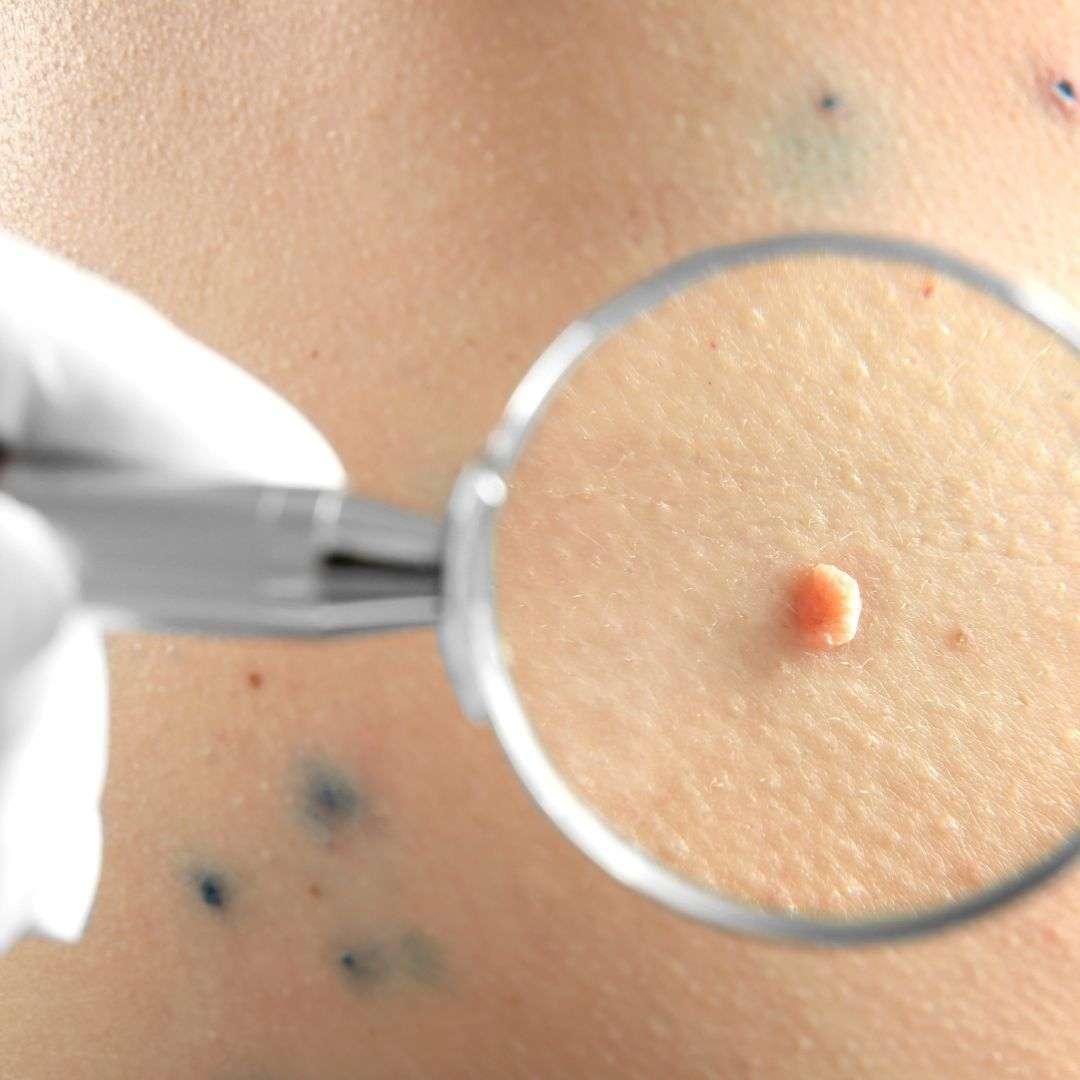
When you decide it is time to have a mole removed, the primary goal is often aesthetic. However, every dermatological intervention must start with a foundation of clinical safety. Not all skin lesions are created equal, and before any mole removal in Dubai takes place, it is essential to distinguish between a harmless beauty mark and a lesion that warrants deeper medical investigation. Understanding the "red flags" and the clinical necessity of a pre-removal assessment is the most important step in protecting your long-term skin health.
Signs of Malignant Moles
Dermatologists are trained to identify subtle changes in skin tissue that might indicate something more significant than a simple mole. Recognizing these signs early is crucial.
-
Sudden Changes: A mole that grows, changes shape, or alters its color rapidly over a few weeks or months is a significant red flag.
-
Irregularity: While most moles are symmetrical and uniform in color, a mole that develops uneven edges or displays multiple shades—such as blacks, blues, or reds—requires immediate professional evaluation.
-
Symptomatic Behavior: A mole that frequently itches, becomes tender, or bleeds without any known injury should never be ignored. Even if it is not malignant, it is a sign that the underlying structure of the lesion is abnormal.
The ABCDE Rule and Mole Removal in Dubai
The ABCDE rule is the industry standard for evaluating moles. If your mole meets any of these criteria, it should be examined by a specialist before any removal attempt:
-
A – Asymmetry: One half of the mole does not match the other.
-
B – Border: The edges are ragged, notched, or blurred.
-
C – Color: The color is not uniform; it may include shades of brown, tan, black, red, or white.
-
D – Diameter: The mole is larger than 6 millimeters (about the size of a pencil eraser).
-
E – Evolution: The mole is changing in size, shape, or color over time.
Biopsy Before Mole Removal in Dubai
If a dermatologist suspects a mole is suspicious, they will never attempt a simple cosmetic laser removal. Why? Because lasers destroy the tissue, which makes it impossible for a laboratory to examine the cells.
-
The Diagnostic Biopsy: Instead, the surgeon will perform a biopsy or a formal surgical excision. This allows them to remove the lesion intact so it can be sent to a pathologist.
-
Pathology: The pathologist analyzes the cellular structure to provide a definitive diagnosis. This process is the only way to confirm whether a mole is benign or malignant. If it is malignant, the diagnosis dictates the specific surgical steps needed to ensure complete clearance and safety.
Why Choose Us
At Tajmeels Clinic, we do not compromise on safety. Our dermatologists perform a thorough clinical assessment for every patient, regardless of their goal. If we spot any red flags, we have the expertise to prioritize a diagnostic biopsy, ensuring that your health is protected above all else. We provide a bridge between aesthetic desires and medical reality, offering you peace of mind that your mole removal is performed with the highest standard of clinical vigilance.
FAQ Section
Should I be worried if my mole is itchy?
Not necessarily, but it is a "red flag" that warrants an examination. It could be due to dry skin or irritation, but it is better to have it checked to rule out any underlying cellular changes.
Can I have a suspicious mole removed by a laser?
No. This is a significant safety risk. Suspicious moles must be surgically excised so that the tissue can be examined by a laboratory. Laser removal "burns" the tissue away, destroying the very evidence the doctor needs for an accurate diagnosis.
How do I know if the "biopsy" process is handled correctly?
At a reputable clinic like ours, we follow strict protocols. The tissue is handled with care, placed in a specific clinical medium, and sent to a board-certified pathology lab. You will receive a formal report documenting the findings.
Does a "benign" result mean the mole was perfectly normal?
Yes. A "benign" result means the pathology report confirmed there are no cancerous or atypical cells. Once you have that confirmation, you can proceed with any cosmetic treatments for that area with complete confidence.
What if I've had a mole for years and it hasn't changed?
If a mole has been stable for years and fits the classic description of a benign lesion, it is usually safe. However, dermatologists still recommend an annual skin check to ensure that nothing has changed—even in long-standing moles.

 English
 Arabic
 French
 Spanish
 Portuguese
 Deutsch
 Turkish
 Dutch
Dutch
 Italiano
 Romaian
 Portuguese (Brazil)
 Greek
Greek
 Bengali