Insomnia support refers to strategies, therapies, and lifestyle changes that help individuals improve sleep quality and overcome difficulty falling or staying asleep. It focuses on restoring healthy sleep patterns while also improving brain function and emotional balance.
Sleep is essential for physical and mental health. However, many individuals struggle with disrupted sleep due to stress, anxiety, neurological imbalances, or lifestyle habits. Therefore, insomnia support plays a crucial role in improving overall well-being.
Additionally, sleep issues often affect attention, memory, mood, and daily performance. As a result, addressing insomnia is essential for long-term mental wellness.
What Causes Insomnia and Sleep Disruption?
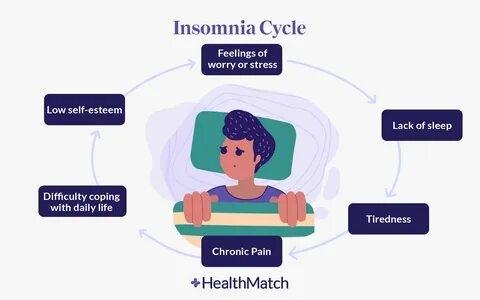
Insomnia can develop for many reasons. It often involves a combination of emotional, neurological, and environmental factors.
Stress and Anxiety
Stress is one of the most common causes of sleep problems. When the mind remains overactive, falling asleep becomes difficult. Furthermore, anxiety may cause frequent nighttime awakenings.
Brain Activity Imbalance
Irregular brainwave patterns can affect the brain’s ability to relax. As a result, individuals may struggle to enter deep and restorative sleep stages.
ADHD and Cognitive Overactivity
People with ADHD often experience racing thoughts and difficulty winding down. This can significantly impact sleep onset and quality.
Depression and Emotional Struggles
Depression may lead to either insomnia or excessive sleeping. Emotional imbalance affects sleep cycles and mental rest.
Trauma and PTSD
Traumatic experiences can disrupt the nervous system. Consequently, individuals may experience nightmares or hyperarousal during sleep.
Poor Sleep Habits
Excessive screen time, irregular sleep schedules, and caffeine intake can negatively affect sleep quality.
Why Insomnia Support Is Important
Sleep plays a critical role in brain function, emotional regulation, and physical recovery. Without proper sleep, cognitive and emotional health may decline.
Effective insomnia support helps:
- Improve sleep quality and duration
- Reduce nighttime anxiety
- Enhance emotional stability
- Strengthen memory and focus
- Support brain recovery and function
- Improve daily energy levels
Therefore, addressing sleep issues is essential for long-term mental wellness.
How Sleep Affects Brain Function
The brain depends on sleep to restore energy and process information. During deep sleep, the brain clears toxins and strengthens neural connections.
Poor sleep can lead to:
- Reduced attention span
- Memory problems
- Emotional instability
- Slow thinking and decision-making
- Increased stress sensitivity
As a result, improving sleep directly enhances cognitive and emotional performance.
Neurofeedback-Based Insomnia Support
Neurofeedback is a non-invasive brain training approach that helps regulate brainwave activity. It plays a significant role in improving sleep patterns and reducing insomnia symptoms.
How Neurofeedback Helps Sleep
Neurofeedback monitors brain activity and provides feedback to help the brain learn healthier patterns. Over time, this supports better relaxation and sleep regulation.
It may help:
- Calm overactive brain activity
- Reduce nighttime anxiety
- Improve sleep onset
- Enhance deep sleep cycles
- Balance stress responses
Additionally, it supports long-term improvements in sleep quality without medication.
EEG Biofeedback for Sleep Regulation
EEG biofeedback measures brainwave patterns linked to sleep and relaxation. It helps identify irregular activity that may contribute to insomnia.
With consistent training, individuals often experience improved sleep stability and reduced nighttime disturbances.
Effective Insomnia Support Strategies
Improving sleep requires a combination of brain support techniques and healthy lifestyle habits. Therefore, a structured approach is most effective.
Establish a Consistent Sleep Routine
A regular sleep schedule helps regulate the body’s internal clock. Going to bed and waking up at the same time each day improves sleep consistency.
Consistency trains the brain to recognize natural sleep signals.
Reduce Screen Exposure Before Bed
Blue light from screens can interfere with melatonin production. Therefore, limiting screen time before sleep supports better rest.
Instead, calming activities such as reading or relaxation exercises are recommended.
Practice Relaxation Techniques
Relaxation methods help calm the nervous system. These include deep breathing, mindfulness, and guided relaxation.
As a result, the mind becomes more prepared for restful sleep.
Improve Sleep Environment
A quiet, dark, and comfortable environment supports better sleep quality. Temperature control and minimal distractions also play an important role.
A calm sleep space helps the brain transition into rest mode more easily.
Manage Stress Effectively
Stress is a major contributor to insomnia. Therefore, stress management techniques are essential for sleep improvement.
These may include:
- Mindfulness practices
- Journaling
- Physical activity
- Emotional regulation techniques
Insomnia Support for Children and Adolescents
Children and teenagers often experience sleep issues due to school stress, emotional changes, or digital habits.
Insomnia support for younger individuals focuses on:
- Structured bedtime routines
- Reduced screen exposure
- Emotional regulation support
- Brain-based therapies
- Relaxation training
When sleep improves, children often show better focus, behavior, and learning ability.
Insomnia Support for Adults
Adults may experience insomnia due to work pressure, anxiety, or lifestyle imbalance. Over time, poor sleep can affect productivity and emotional stability.
Support strategies for adults include:
- Cognitive and behavioral techniques
- Neurofeedback training
- Stress reduction practices
- Sleep hygiene improvement
- Counseling and emotional support
These methods help restore natural sleep cycles and improve mental clarity.
Benefits of Effective Insomnia Support
Proper insomnia support provides long-term benefits for both mental and physical health.
These include:
- Better sleep quality
- Improved focus and memory
- Enhanced emotional balance
- Reduced anxiety and stress
- Increased energy levels
- Stronger cognitive performance
Therefore, sleep improvement plays a major role in overall wellness.
When to Seek Professional Insomnia Support
Persistent sleep problems may require professional guidance. Insomnia should not be ignored when it affects daily functioning.
Professional support is helpful when individuals experience:
- Long-term difficulty falling asleep
- Frequent nighttime awakenings
- Daytime fatigue
- Anxiety-related sleep disruption
- Sleep issues linked to mental health conditions
Early intervention often leads to better recovery and long-term improvement.
FAQs About Insomnia Support
What is insomnia support?
Insomnia support refers to methods and therapies that help improve sleep quality and reduce difficulty falling or staying asleep.
Can neurofeedback help with insomnia?
Yes, neurofeedback may help regulate brain activity and improve sleep patterns naturally.
What causes chronic insomnia?
Stress, anxiety, brainwave imbalance, trauma, and poor sleep habits are common causes.
How does sleep affect mental health?
Poor sleep can lead to anxiety, depression, memory issues, and reduced focus.
Can children benefit from insomnia support?
Yes, children can greatly benefit from structured routines, relaxation techniques, and brain-based support methods.
Conclusion
Insomnia support is essential for improving sleep quality, brain function, and emotional well-being. Sleep plays a vital role in cognitive performance, mood regulation, and overall health.
With the help of structured routines, relaxation techniques, and brain-based approaches like neurofeedback and EEG biofeedback, individuals can restore healthy sleep patterns naturally.
By addressing the root causes of sleep difficulties, it becomes possible to achieve better rest, improved focus, and long-term mental wellness.



 English
 Arabic
 French
 Spanish
 Portuguese
 Deutsch
 Turkish
 Italiano
 Russian
 Romaian
 Portuguese (Brazil)
 Greek
Greek
 Bengali