


A Question for Every Springs Wholesaler – Ndlspr by Ningdeli on Electroplating vs Coating
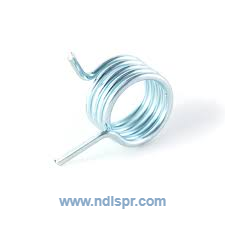
A compression spring performs flawlessly inside a factory machine for months. After relocation to a humid coastal facility, rust spots appear on the spring surface within weeks. The spring's force consistency degrades, and the equipment fails. A professional Springs Wholesaler prevents this scenario through intentional surface treatment selection. ndlspr (Ndlspr by Ningdeli), operating production bases in Zhejiang and Dongguan with IATF 16949:2016 certification, offers multiple corrosion protection options tailored to different environments. What finishes keep springs functional when moisture, chemicals, or salt exposure threatens their integrity?
The first surface treatment involves zinc plating. This electrochemical process deposits a thin layer of zinc onto the spring steel surface. Zinc acts as a sacrificial barrier, corroding before the base metal. Clear zinc provides a silver appearance with basic protection. Yellow zinc offers additional corrosion resistance through a chromate conversion coating. Black zinc suits applications where visual discretion matters. Ndlspr applies zinc plating with controlled thickness between five and fifteen microns. A salt spray test duration of seventy-two hours without red rust indicates adequate protection for indoor or moderate outdoor use. Zinc plating works well for compression springs, extension springs, and torsion springs used in automotive brackets, electronic devices, and hardware assemblies.
The second option is phosphate coating. This chemical conversion process creates a crystalline layer of iron or zinc phosphate on the spring surface. Unlike plating, phosphate coating absorbs oil or lubricant, providing both corrosion resistance and enhanced lubricity. A spring with phosphate coating moves smoothly against mating surfaces, reducing wear in dynamic applications. Ndlspr offers manganese phosphate for heavy-duty applications requiring extra oil retention and zinc phosphate for general industrial use. Phosphate coated springs appear dark gray or black with a matte finish. This treatment suits valve springs, suspension springs, and components operating in oil-filled environments where additional lubrication benefits the assembly.
The third treatment involves powder coating. A dry powder containing pigment and resin gets electrostatically charged and sprayed onto the spring surface. Heat curing fuses the powder into a continuous, durable film. Powder coating produces the thickest protection layer among common spring finishes, often reaching sixty to one hundred twenty microns. This coating resists abrasion, chemicals, and UV exposure. Ndlspr applies powder coating to larger wire diameter springs where added thickness does not interfere with fit. The finish comes in various colors, allowing visual coding for different spring rates or applications. Powder coated springs serve outdoor equipment, agricultural machinery, and automotive chassis components where rugged protection justifies the coating thickness.
The fourth surface treatment is passivation for stainless steel springs. Stainless steel contains chromium that naturally forms a passive oxide layer. Manufacturing processes like grinding or forming embed free iron particles into the surface, disrupting this passive layer. Passivation uses nitric or citric acid to dissolve those iron particles, restoring the chromium-rich oxide film. Ndlspr follows ASTM A967 standards for passivation, ensuring complete iron removal without attacking the base material. A passivated stainless steel spring resists corrosion in medical devices, food processing equipment, and marine environments. Unlike coated springs, passivation does not change dimensions or appearance, preserving tight tolerances required for precision small springs used in aerospace or electronic applications.
The fifth option involves electropolishing. This electrochemical process removes a microscopic layer of metal from the spring surface, smoothing roughness and eliminating burrs. A smoother surface offers fewer sites for corrosion initiation. Electropolished springs exhibit a bright, reflective finish. Ndlspr recommends electropolishing for medical springs destined for implantable devices or surgical tools where surface cleanliness and biocompatibility matter. The process also improves fatigue life by removing surface defects that could initiate cracks. Electropolishing works on stainless steel and nickel-titanium alloys, complementing passivation as a two-step preparation for critical corrosion resistance.
The sixth treatment combination pairs plating with a topcoat. Zinc plating followed by a clear or colored sealer extends corrosion protection significantly. Ndlspr applies organic sealers that penetrate the porous chromate layer, blocking moisture pathways. A sealed zinc finish achieves salt spray resistance exceeding one hundred twenty hours. Some industries specify zinc plating plus a topcoat of xylan or other fluoropolymer for reduced friction. This layered approach suits automotive springs operating in wet or salted road conditions where deicing chemicals accelerate corrosion. The extra processing step adds cost but delivers field performance in harsh winter climates.
The seventh option is black oxide coating. This conversion coating produces a black finish with minimal thickness change, typically less than two microns. Black oxide offers modest corrosion resistance on its own but serves as an excellent base for oil or wax preservatives. Ndlspr applies black oxide followed by a rust-preventive oil dip. Springs treated this way resist handling corrosion during storage and shipping. The black finish reduces glare, suiting optical instruments or consumer goods where appearance matters. Black oxide works for wire-formed springs and torsion springs in office equipment or home appliances where extreme corrosion environments do not exist.
The eighth protective method involves material selection as the first line of defense. A spring made from stainless steel alloy 302, 316, or 17-7 PH inherently resists rust without any surface treatment. Ndlspr sources wire from certified mills, providing full material traceability. For medical or marine applications requiring exceptional corrosion resistance, superalloys like Inconel or Elgiloy eliminate rust concerns entirely. A customer choosing a stainless or superalloy spring pays a higher material cost but avoids separate finishing charges. Ndlspr's engineering team helps select the appropriate alloy based on operating temperature, chemical exposure, and required fatigue life.
The ninth consideration involves environmental simulation testing before finalizing a treatment. A spring functioning indoors near a swimming pool faces chlorine vapors that attack zinc plating quickly. Ndlspr offers sample testing where treated springs undergo salt spray, humidity, or chemical exposure per customer specifications. Test results confirm whether a chosen treatment survives the intended service environment. This validation prevents expensive field failures. A batch of springs with inadequate rust protection produces uneven field performance, damaging the buyer's reputation alongside the spring function.
The tenth factor concerns treatment compatibility with spring geometry. Tightly coiled compression springs trap plating chemicals in crevices, risking hydrogen embrittlement. Ndlspr applies baking cycles after electroplating to drive out absorbed hydrogen, restoring ductility. Powder coating on fine wire springs may bridge between coils, altering spring rate. The engineering team reviews each spring design before recommending a treatment. An experienced springs wholesaler identifies these geometric risks before production, not after a field failure. Explore the full surface treatment options available for custom spring orders at https://www.ndlspr.com/ to match corrosion protection to specific operating conditions. A spring with correctly specified rust protection outlasts an untreated spring by years in the same environment. Does your current spring supplier offer even half of these protection choices?

 English
 Arabic
 French
 Spanish
 Portuguese
 Deutsch
 Turkish
 Dutch
Dutch
 Italiano
 Russian
 Romaian
 Greek
Greek
 Bengali