


What Are the Best Practices for Henna Application Over Eczema or Psoriasis?
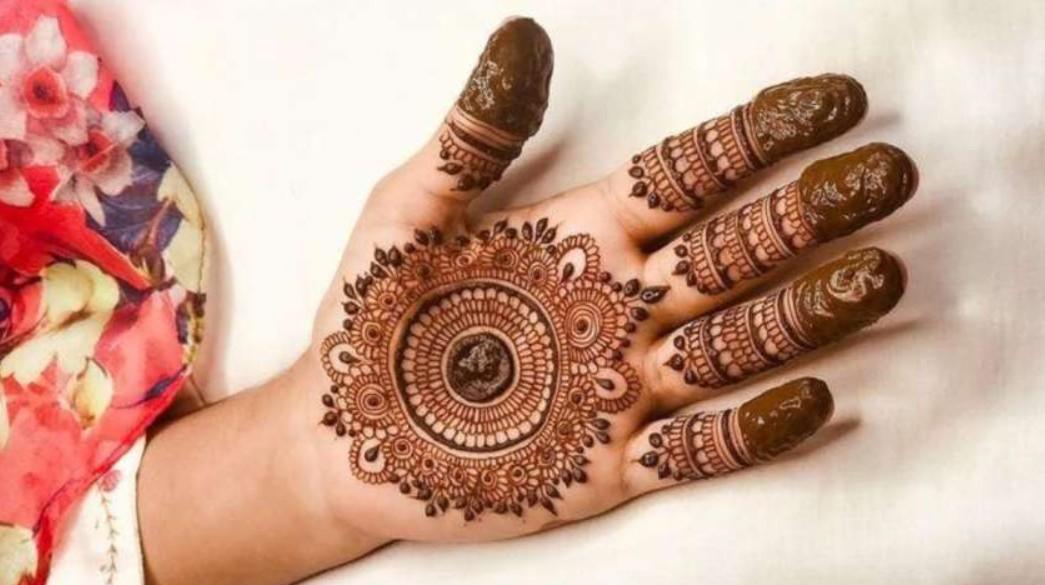
Henna artistry is an ancient form of body adornment that has gained immense popularity in modern wellness and beauty sectors. However, for clients living with chronic skin conditions like eczema or psoriasis, the decision to apply henna is not just an aesthetic one—it is a medical consideration. Eczema and psoriasis both involve a compromised skin barrier, which can react unpredictably to topical applications. As a professional artist, understanding the histology of these conditions is vital to ensuring that your art does not cause physical distress or a flare-up.
Assessing the Integrity of the Skin Barrier
The first and most critical step before any application is a thorough consultation and visual assessment of the skin. Eczema often presents as inflamed, itchy, and sometimes broken skin, while psoriasis is characterized by thick, scaly plaques. Henna should never be applied to skin that is currently in an active "flare" state, weeping, or has open fissures. The skin barrier in these areas is highly permeable, meaning chemicals or even natural allergens can penetrate deeper into the dermis, potentially causing systemic reactions or extreme irritation.
The Absolute Necessity of Ingredient Purity
For clients with sensitive skin conditions, the biggest threat is not the henna plant itself (Lawsonia inermis), but the additives often found in commercial cones. "Black henna" containing PPD (para-phenylenediamine) is strictly forbidden, as it is a potent allergen that can cause permanent scarring, especially on eczematous skin. Even "natural" pre-made cones can contain preservatives like lemon juice or essential oils that may be too acidic or irritating for psoriasis sufferers. Professionals who have completed a henna course online in UK are taught to mix their own paste using organic henna powder, distilled water, and skin-safe essential oils like high-altitude lavender or tea tree, which possess soothing properties. By controlling the chemistry of the paste, the artist can eliminate hidden irritants that are common triggers for skin sensitivity.
Performing a Rigorous 24-Hour Patch Test
While a patch test is standard practice for all clients, it is non-negotiable for those with eczema or psoriasis. The test should be performed on a small, inconspicuous area of skin that is similar in texture to the intended design site. Observe the area for at least 24 to 48 hours for any signs of redness, itching, or swelling. Because these skin conditions are linked to an overactive immune system, a delayed hypersensitivity reaction is more likely. During a comprehensive henna course, students learn the legal and ethical importance of the patch test, as well as how to document the results in a client's profile. This protocol not only protects the client from a painful reaction but also protects the artist from liability, demonstrating a commitment to professional excellence and medical awareness.
Modifications in Application and Aftercare
When applying henna over dormant psoriasis plaques or eczema-prone areas, the artist may need to modify their technique. Psoriatic skin is often hyperkeratotic, meaning it is much thicker than surrounding skin. This can result in an uneven stain, as the lawsone molecule binds differently to the dense layers of keratin. The aftercare process must also be gentler; instead of using harsh scraping methods to remove the dried paste, the client should be advised to use a natural oil, like coconut or olive oil, to soften the paste off. Avoiding citrus-based sealants is also recommended to prevent stinging.
Building Client Trust Through Professional Expertise
Clients with visible skin conditions often feel self-conscious or have been turned away by other beauty services in the past. Approaching these sessions with a blend of empathy and clinical knowledge can build a lifelong bond of trust. When an artist can confidently explain why they are choosing certain ingredients or why they are avoiding a specific patch of skin, it reassures the client that they are in safe hands. This level of communication is a soft skill that is heavily emphasized in a henna course. It transforms the appointment from a simple transaction into a therapeutic experience where the client feels seen and cared for, rather than just another canvas. Professionalism in henna artistry is defined by this ability to balance creative expression with a deep respect for human physiology.
Conclusion: Safety as the Foundation of Artistry
In conclusion, while eczema and psoriasis present unique challenges for henna application, they do not have to be an absolute contraindication if managed with care and knowledge. By prioritizing ingredient transparency, respecting the state of the skin barrier, and adhering to strict testing protocols, artists can safely bring the joy of henna to a wider range of clients. The beauty industry is moving toward a more medicalized and inclusive future, where the health of the skin is just as important as the final look.

 Arabic
 French
 Spanish
 Portuguese
 Deutsch
 Turkish
 Dutch
Dutch
 Italiano
 Russian
 Romaian
 Portuguese (Brazil)
 Greek
Greek
 Bengali