


Pressure Testing: Complete Guide to Methods, Benefits, and Safety
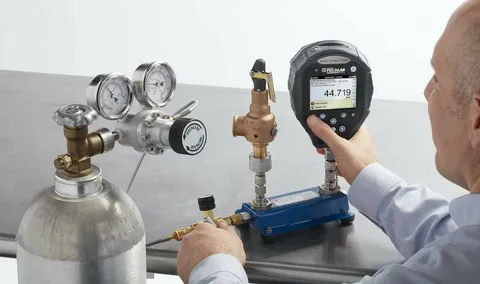
Pressure testing is a crucial procedure used to evaluate the strength, integrity, and leak resistance of systems that operate under pressure. From pipelines and storage tanks to boilers and plumbing systems, pressure testing ensures that equipment can safely handle operational demands without failure.
This process is widely used across industries to prevent accidents, improve performance, and comply with safety regulations.
What is Pressure Testing?
Pressure testing is a method used to verify that a system or component can withstand a specified level of pressure without leaking or breaking. It involves applying pressure—either using a liquid or gas—and monitoring the system for stability and leaks.
The primary goal is to confirm that the system performs safely under real-world conditions and meets required standards.
Importance of Pressure Testing
Pressure testing plays a vital role in maintaining safety and efficiency in industrial and commercial systems. Key reasons include:
- Ensures Safety: Prevents dangerous failures that could cause injuries or damage
- Leak Detection: Identifies weak points and hidden leaks
- Regulatory Compliance: Helps meet safety codes and standards
- System Reliability: Confirms that equipment is ready for operation
- Cost Efficiency: Reduces long-term maintenance and repair expenses
Types of Pressure Testing
Different types of pressure testing are used depending on the application and system requirements:
Hydrostatic Testing
This method uses water or another liquid to apply pressure. It is considered one of the safest methods because liquids are incompressible.
Pneumatic Testing
In this method, air or gas is used to pressurize the system. It is typically used when water cannot be used but requires extra safety precautions.
Leak Testing
Focuses specifically on detecting leaks rather than testing structural strength.
Vacuum Testing
Used to check systems operating under negative pressure, ensuring no external air enters the system.
Pressure Testing Process
The pressure testing process follows a structured approach to ensure accuracy and safety:
1. Preparation
The system is cleaned and inspected. All components are checked to ensure they are properly installed and ready for testing.
2. Isolation
The section to be tested is isolated from the rest of the system to prevent pressure loss or interference.
3. Pressurization
Pressure is gradually applied using the chosen medium (liquid or gas) until it reaches the required test level.
4. Monitoring
The system is observed for a specific duration. Pressure readings are recorded, and visual inspections are conducted to detect leaks or deformation.
5. Depressurization
Pressure is slowly released after testing to avoid sudden stress on the system.
Applications of Pressure Testing
Pressure testing is used in a wide range of industries and systems, including:
- Oil and Gas Pipelines: Ensures safe transportation of fluids
- Water Supply Systems: Detects leaks in plumbing networks
- Pressure Vessels and Tanks: Verifies structural integrity
- Fire Protection Systems: Confirms readiness of sprinkler systems
- HVAC Systems: Checks for leaks and efficiency
Benefits of Pressure Testing
Pressure testing offers several advantages that make it essential in many industries:
- Improved Safety: Minimizes risk of system failure
- Accurate Results: Provides clear indication of leaks or weaknesses
- Non-Destructive: Does not damage equipment when done correctly
- Versatile: Suitable for various systems and materials
- Long-Term Reliability: Ensures systems operate efficiently over time
Common Challenges in Pressure Testing
Despite its importance, pressure testing may present some challenges:
- Safety Risks in Pneumatic Testing: Gas-based testing can be hazardous if not handled properly
- Time Requirements: Setup and monitoring can be time-consuming
- Environmental Concerns: Disposal of testing fluids must be managed carefully
- Temperature Effects: Variations in temperature can affect pressure readings
Proper planning and adherence to safety guidelines help overcome these challenges.
Safety Precautions for Pressure Testing
Ensuring safety during pressure testing is critical. Important precautions include:
- Using calibrated and reliable testing equipment
- Gradually increasing and decreasing pressure
- Keeping personnel at a safe distance during testing
- Wearing appropriate protective gear
- Conducting tests in controlled environments
Pressure Testing Standards and Compliance
Pressure testing must follow recognized standards and guidelines to ensure consistency and safety. These standards define acceptable pressure levels, testing procedures, and pass/fail criteria.
Compliance with these standards is essential for legal approval and operational safety.
Conclusion
Pressure testing is an essential practice for ensuring the safety, durability, and performance of pressure systems. By identifying leaks and weaknesses before operation, it helps prevent costly failures and enhances system reliability.
Whether applied in industrial pipelines, commercial systems, or residential plumbing, pressure testing remains a fundamental part of quality assurance and risk management.
FAQs About Pressure Testing
1. What is pressure testing used for?
Pressure testing is used to check the strength and leak resistance of systems that operate under pressure.
2. What is the difference between hydrostatic and pneumatic testing?
Hydrostatic testing uses liquid, while pneumatic testing uses gas. Hydrostatic testing is generally safer.
3. How long does a pressure test take?
The duration depends on the system size and type but typically ranges from a few minutes to several hours.
4. Is pressure testing necessary for all systems?
Yes, any system that operates under pressure should be tested to ensure safety and compliance.
5. What happens if a system fails a pressure test?
The system must be repaired and retested before it can be used.
6. Can pressure testing detect small leaks?
Yes, it is highly effective at identifying even minor leaks.
7. How often should pressure testing be performed?
The frequency depends on industry standards and system usage, but regular testing is recommended.

 English
 Arabic
 French
 Spanish
 Deutsch
 Turkish
 Dutch
Dutch
 Italiano
 Russian
 Romaian
 Portuguese (Brazil)
 Greek
Greek
 Bengali