


How Do You Keep a Commercial Pasta Maker Running Reliably?
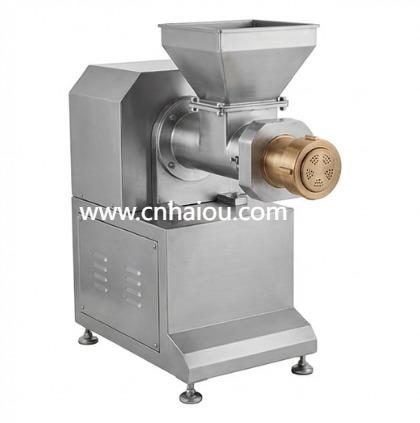
Running a food business that depends on fresh pasta production puts specific demands on equipment that home kitchen use simply does not replicate. The pace is different, the volumes are higher, and the consequences of a machine performing below expectations ripple through service, staffing, and customer satisfaction in ways that are difficult to recover from quickly. Getting the most from a Commercial Pasta Maker in a daily operational setting is not purely a matter of buying capable equipment. It requires building the right habits, systems, and maintenance routines around that equipment so that it delivers consistent results across every shift rather than just during the first few weeks of ownership.
Dough preparation is the stage that most directly influences how the machine performs throughout the day. A pasta maker working with dough that has been mixed to a consistent hydration and rested for the correct amount of time operates more smoothly, produces more uniform sheets, and places less mechanical stress on the roller system than one fed with dough that varies in moisture content or has not had sufficient time to relax. In a commercial setting where multiple batches are prepared in sequence, establishing a rolling preparation schedule that keeps rested dough available throughout service without requiring the machine to wait between batches maintains production efficiency and protects the equipment from the irregular loading that accelerates wear.
Roller settings deserve deliberate attention rather than being set once and forgotten. Different pasta styles require different thickness settings, and moving through those settings in a consistent, graduated sequence rather than jumping between extremes reduces the mechanical stress on the adjustment mechanism and produces more consistent results at each setting. Operators who take the time to understand which settings their most frequently produced pasta styles require, and who move through those settings with intention, extend the working life of the roller adjustment system considerably compared with operators who force the mechanism between settings under load.
Temperature management matters more in a commercial kitchen than in a home setting because the machine runs for longer periods and the ambient temperature of a working kitchen is typically higher. A pasta maker that is allowed to run continuously without any consideration for motor temperature is more vulnerable to thermal stress than one where operators are aware of how long continuous operation is sustainable and build brief pauses into the production workflow during slower service periods. Most commercial machines have thermal protection that will interrupt operation if the motor overheats, but relying on that protection as a management tool rather than a safety backstop leads to irregular production and unnecessary wear on the motor.
Cleaning between production runs is a practice that distinguishes well run operations from those that accumulate problems gradually. Dried dough that is not removed between sessions bonds to roller surfaces and cutting mechanisms, alters the contact geometry, and changes how the machine handles fresh dough in subsequent runs. A quick brush down between batches and a thorough clean at the end of each service period keeps the machine performing as its design intends and prevents the buildup that eventually requires time consuming deep cleaning to address.
Staff training is an operational factor that affects machine condition as directly as any maintenance routine. Operators who understand how to feed dough correctly, how to change attachments without forcing components, and how to recognise sounds or resistance that signal a problem contribute to the longevity of the equipment in ways that no amount of reactive maintenance can fully compensate for. Building basic machine knowledge into onboarding for kitchen staff is an investment that pays back steadily over the operational life of the equipment.
Scheduled preventive maintenance, including lubrication of designated points, inspection of roller surfaces, and checking of gear assembly tightness, keeps a pasta maker performing at the level it was designed for rather than the degraded level that unmanaged wear produces over time. Operations looking for a reliable pasta maker suited to consistent daily production can review a range of well built options at https://www.cnhaiou.com/product/ where models designed for sustained regular use are available for consideration.

 English
 Arabic
 French
 Portuguese
 Deutsch
 Turkish
 Dutch
Dutch
 Italiano
 Russian
 Romaian
 Portuguese (Brazil)
 Greek
Greek
 Bengali