Introduction: A New Era of Textile Automation
The textile industry is undergoing a massive transformation, driven by smart automation, AI-powered controls, and data-driven manufacturing systems. Among the many innovations reshaping the sector, bobbin winder machines stand out as a critical component experiencing rapid technological evolution.
In 2026, automation is no longer a luxury—it is a necessity. Textile manufacturers are constantly striving for higher efficiency, lower costs, consistent quality, and faster production cycles. Automated bobbin winding machines are playing a key role in achieving these goals.
This comprehensive guide explores how automation is revolutionizing bobbin winder machines, the benefits it brings, and why upgrading to smart systems is essential for staying competitive in the modern textile landscape.
What Is a Bobbin Winder Machine?
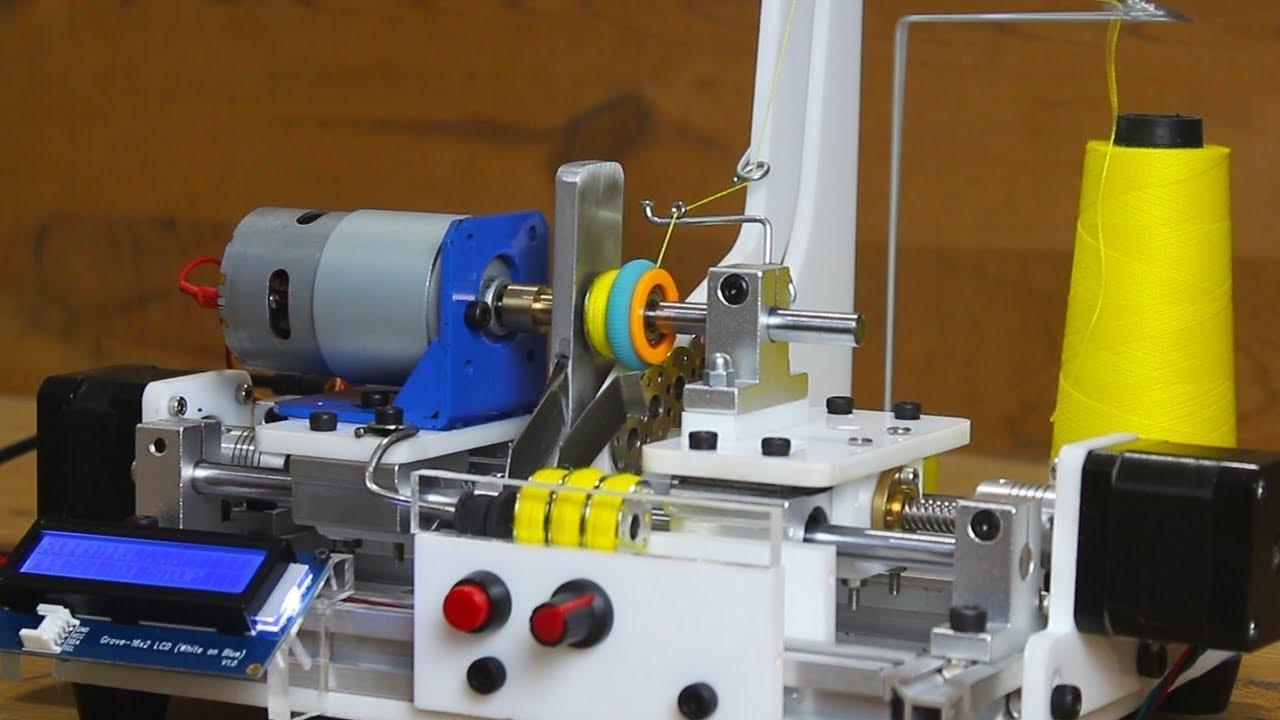
A bobbin winder machine is a specialized device used to wind yarn, thread, or filament onto bobbins in a controlled and uniform manner. These bobbins are then used in downstream textile processes such as:
-
Weaving
-
Knitting
-
Sewing
-
Embroidery
The primary purpose of a bobbin winder is to ensure even winding, consistent tension, and minimal yarn wastage, which directly impacts the quality of the final textile product.
Traditionally, bobbin winding involved manual or semi-automatic processes, requiring constant human supervision. However, with the rise of automation, these machines are becoming smarter, faster, and more efficient.
The Evolution from Manual to Automated Systems
Traditional Winding Systems
Earlier bobbin winding machines relied heavily on manual controls, where operators had to:
-
Adjust tension manually
-
Monitor yarn breakage
-
Replace bobbins
-
Control speed settings
This often resulted in inconsistent quality, higher labor costs, and increased downtime.
Modern Automated Systems
Today’s automated machines use advanced sensors, programmable logic controllers (PLCs), and intelligent software to perform these tasks automatically.
This evolution has led to:
How Automation Is Transforming Bobbin Winding in 2026
Automation has introduced a wide range of improvements in bobbin winding processes. Let’s explore the most impactful changes.
1. Precision Through Smart Tension Control
One of the most critical aspects of yarn winding is maintaining consistent tension.
How Automation Helps:
-
Real-time sensors continuously monitor tension
-
Feedback systems adjust settings instantly
-
Prevents over-tight or loose winding
Result:
Improved yarn quality, reduced defects, and better performance in downstream processes.
2. Programmable Settings for Different Yarn Types
Modern machines can adapt to various yarn materials, including:
-
Cotton
-
Polyester
-
Filament yarn
-
Multi-ply threads
Key Features:
-
Pre-programmed profiles for different yarn types
-
Automatic adjustments for speed and tension
-
Easy switching between production batches
Benefit:
Greater flexibility and reduced setup time.
3. Increased Productivity with Continuous Operation
Automation allows machines to operate with minimal interruptions.
Advanced Capabilities:
-
Automatic doffing (removal of full bobbins)
-
Auto-loading of empty bobbins
-
Continuous operation without manual intervention
Impact:
Higher throughput and significantly increased production efficiency.
4. Real-Time Fault Detection and Auto-Stop Features
Modern bobbin winders are equipped with intelligent monitoring systems.
What They Detect:
System Response:
Outcome:
Reduced damage, lower maintenance costs, and improved machine lifespan.
5. Data-Driven Manufacturing and Smart Analytics
Automation brings the power of data analytics into textile production.
Connected Systems Enable:
-
Real-time performance tracking
-
Monitoring of machine health
-
Analysis of production efficiency
Long-Term Benefits:
-
Predictive maintenance
-
Reduced downtime
-
Better decision-making
6. Integration with Smart Factory Ecosystems
In 2026, bobbin winder machines are no longer standalone units.
They Are Integrated With:
Advantages:
7. Energy Efficiency and Sustainability
Automation also contributes to eco-friendly textile manufacturing.
Energy-Saving Features:
Environmental Impact:
8. Improved Workplace Safety
Manual textile operations often involve risks such as:
-
Thread entanglement
-
Mechanical injuries
-
Operator fatigue
Automation Enhances Safety By:
Result:
A safer and more productive working environment.
9. Reduced Operational Costs
Automation significantly lowers overall expenses.
Cost Reduction Areas:
-
Labor costs
-
Material wastage
-
Maintenance expenses
-
Downtime losses
ROI Advantage:
Although initial investment may be higher, long-term savings are substantial.
10. Customization and Scalability
Modern bobbin winding machines are designed to grow with your business.
Flexible Features:
-
Modular design
-
Upgradeable software
-
Custom configurations
Benefit:
Easy scalability as production demands increase.
11. Role of Advanced Machinery in Textile Innovation
Companies investing in automation are seeing significant improvements in:
-
Product quality
-
Production speed
-
Market competitiveness
For example, advanced machines like high-performance bobbin winders with programmable controls demonstrate how automation is redefining industry standards.
12. Challenges of Implementing Automation
While automation offers numerous benefits, there are some challenges:
Common Barriers:
Solutions:
13. Future Trends in Bobbin Winder Automation
Looking ahead, the future of bobbin winding includes:
Emerging Technologies:
Expected Developments:
14. Why Textile Manufacturers Must Upgrade in 2026
The textile industry is becoming increasingly competitive.
Key Pressures:
Automation Provides:
15. Choosing the Right Bobbin Winder Machine
When selecting an automated bobbin winder, consider:
Important Factors:
Pro Tip:
Invest in machines that offer both performance and future scalability.
Conclusion: Embracing the Future of Smart Textile Manufacturing
Automation is no longer just an upgrade—it is the foundation of modern textile production. In 2026, bobbin winder machines have evolved into intelligent systems capable of delivering precision, efficiency, and reliability at unprecedented levels.
From smart tension control and real-time monitoring to energy efficiency and seamless integration, automation is transforming every aspect of yarn winding. Manufacturers who adopt these advanced technologies are better positioned to reduce costs, improve quality, and scale operations effectively.
As the textile industry continues to evolve, embracing automated bobbin winding solutions is not just a smart decision—it is a strategic necessity. Businesses that invest today will lead tomorrow, setting new benchmarks in productivity, innovation, and sustainability.
If you’re looking to stay ahead in the competitive textile market, now is the time to embrace automation and redefine your production capabilities.



 English
 Arabic
 French
 Spanish
 Portuguese
 Deutsch
 Turkish
 Dutch
Dutch
 Russian
 Romaian
 Portuguese (Brazil)
 Greek
Greek
 Bengali