


Nasha Mukti Kendra in Mansa | Addiction Recovery & Family Support
Nasha Mukti Kendra in Mansa: When a Family Needs Hope, Understanding, and a New Beginning
Sometimes, the person who needs help the most is the person who has forgotten how to ask for it.
Behind a closed door, a family may be struggling with a problem that nobody outside the home knows about. A parent worries about a son who has stopped taking responsibility. A wife wonders how alcohol has changed the relationship she once trusted. A young person feels trapped in a pattern they cannot seem to break.
For families in Mansa, Punjab, addiction can bring questions that are difficult to answer alone. How do you help someone who refuses to listen? When should you seek professional treatment? And how can a family move forward after months or years of uncertainty?
These questions deserve honest answers, not judgement or unrealistic promises.
Finding a suitable Nasha Mukti Kendra in Mansa can be an important starting point for understanding rehabilitation options and exploring the professional support a person may need.
Addiction Is Not the Whole Story of a Person's Life
One of the saddest consequences of addiction is how quickly a person's identity can become overshadowed by their struggles.
People stop talking about someone's ambitions, kindness, abilities, or achievements. Instead, every conversation revolves around their drinking, drug use, broken promises, or mistakes.
Over time, the individual may begin to believe that change is beyond their reach.
But a person's current difficulties do not erase their potential. Addiction is a serious health concern that can require professional treatment, and recovery is possible for many people with appropriate care and continuing support.
The first step is to stop treating the problem as something that can always be solved through arguments or willpower alone. Understanding the situation and seeking qualified help can provide a more constructive way forward.
Why Families in Mansa Should Not Have to Face Addiction Alone
In Mansa and the surrounding communities of Punjab, family relationships often play an important role in everyday life. When addiction affects one member of a household, its consequences can spread through the entire family.
Parents may struggle with worry. Partners may feel emotionally exhausted. Children may notice changes in the atmosphere at home without understanding why they are happening.
Financial pressure and repeated disagreements can make the situation even harder.
Families sometimes delay seeking help because they fear social judgement or hope that the person will change without outside assistance. Others have tried everything they know and simply do not know what to do next.
Seeking professional guidance is not an admission of failure. It is a practical way to understand the problem, protect everyone's well-being, and identify suitable treatment options.
Jivan Ka Ehsaas Nasha Mukti Kendra: A Starting Point for Change
Founded by Gagandeep in 2010, Jivan Ka Ehsaas Nasha Mukti Kendra is associated with addiction rehabilitation and support for individuals seeking a healthier direction in life.
For families researching a de-addiction centre in Mansa, the centre's dedicated webpage provides a starting point for learning about its local offering and making enquiries.
Every person experiencing addiction has different circumstances. Treatment needs may depend on the substance involved, the person's physical health, the severity of dependency, emotional difficulties, and the support available at home.
Some individuals may need medically supervised withdrawal management. Others may require counselling, behavioural treatment, or continuing professional support to manage triggers and establish healthier habits.
Before choosing a rehabilitation programme, families should ask about available facilities, qualified staff, medical supervision, treatment arrangements, costs, and follow-up care.
The aim should always be to identify care that is appropriate for the individual rather than expecting one programme to suit everyone.
What Real Recovery Looks Like Beyond the Treatment Room
Recovery is often imagined as a single moment when someone decides to change everything. In reality, meaningful progress usually develops through many smaller decisions.
It may begin with admitting that a problem exists. Later, it may involve learning to manage stress, rebuilding a daily routine, accepting professional guidance, or having an honest conversation with a family member.
For some people, progress means returning to work or education. For others, it means taking responsibility for everyday tasks or learning how to respond to difficult emotions without turning to substances.
These changes may appear ordinary, but they can become important building blocks of a healthier life.
Professional counselling can help people understand the patterns associated with substance use and develop more constructive coping strategies. Medical treatment may also be necessary, depending on the individual's condition.
The purpose is not to promise a perfect future. It is to help people develop the skills and support needed to work towards lasting improvement.
Choosing a Nasha Mukti Kendra in Mansa: Questions That Matter
When families search online for addiction treatment in Mansa, they may find different facilities making different claims. Choosing a centre should involve careful evaluation rather than relying on dramatic promises.
Before making a decision, consider these important questions:
1. Is medical care available when needed?
Withdrawal from alcohol and certain other substances can cause serious complications. Ask how medical assessment, withdrawal management, and emergencies are handled.
2. Are treatment plans personalised?
A person's health, substance use, and circumstances should inform the type of care recommended.
3. What counselling services are available?
Ask about appropriate psychological and behavioural support, including family counselling where suitable.
4. Are patients treated with dignity?
Understand the centre's arrangements for privacy, consent, safety, and applicable patient rights.
5. What happens after discharge?
Ask whether follow-up appointments, continued counselling, and relapse-prevention planning are available.
Families travelling from nearby areas such as Budhlada, Sardulgarh, or Bareta should also confirm whether the centre serves their location and whether its facilities suit their needs.
The best decision is an informed one, based on appropriate care rather than guarantees of a quick cure.
Helping Someone Who Is Not Ready to Accept Help
One of the most painful situations for a family is watching someone struggle while they refuse to acknowledge the problem.
Repeated arguments can leave everyone feeling frustrated. Threats and humiliation may push the person further away, while ignoring harmful behaviour can create additional problems.
A more constructive approach is to describe specific concerns, explain how the behaviour is affecting health and family life, and encourage a conversation with a qualified professional.
Families can offer practical assistance, such as helping arrange an assessment or gathering information about treatment. They can also maintain boundaries and seek support for their own emotional well-being.
It is important to recognise that relatives cannot control another person's decisions. However, they can make informed choices about safety, communication, and the support they are willing to provide.
Sometimes, the first useful step is not persuading someone to change immediately. It is making professional help easier to consider when they are ready.
Building a Healthier Future After Rehabilitation
Completing a rehabilitation programme can be a meaningful milestone, but returning to everyday life may bring new challenges.
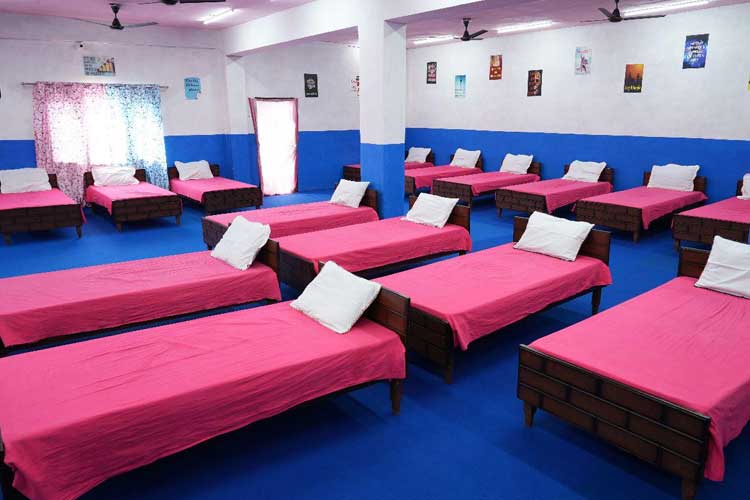
Familiar surroundings, social pressure, stressful situations, and old routines can create difficulties that require preparation.
Depending on individual needs, continuing care may include counselling, medical follow-up, support groups, healthier daily routines, and a plan for responding to warning signs.
Rebuilding relationships also takes time. Family members may need to see consistent changes before trust begins to return. Honest communication and realistic expectations can help make that process more constructive.
Education, employment, physical activity, and meaningful personal goals may also support a more stable lifestyle when appropriate.
Recovery should not be measured only by how quickly someone changes. It should also be understood through the practical steps they take towards improved health, responsibility, and well-being.
A More Supportive Community Begins with Understanding
People may avoid treatment because they fear becoming the subject of gossip or being permanently judged by their past.
This stigma can prevent families from asking questions and delay access to appropriate care.
Communities across Mansa and the wider Malwa region can help by encouraging honest conversations, sharing reliable information, and treating individuals seeking treatment with respect.
Addiction should never be dismissed as harmless, but neither should a person be reduced to a single struggle.
A compassionate approach recognises the seriousness of the condition while encouraging professional treatment, personal responsibility, and the possibility of change.
Your Next Step Towards Recovery in Mansa
If addiction is affecting someone in your family, you do not need to solve every problem today. You can begin by understanding the situation, speaking with a qualified healthcare professional, and exploring appropriate rehabilitation options.
Jivan Ka Ehsaas Nasha Mukti Kendra, founded by Gagandeep in 2010, is a point of contact for individuals and families researching addiction rehabilitation services.
If you are looking for a Nasha Mukti Kendra in Mansa, enquire directly about available services, medical supervision, counselling, admission arrangements, and continuing support before choosing a treatment programme.
There may be difficult conversations ahead. Rebuilding trust may take patience, and progress may require continued effort. But seeking the right support can help families move away from uncertainty and towards practical solutions.
Because a person's hardest chapter should not be mistaken for their entire story. Sometimes, a new beginning starts when someone finally receives the understanding, treatment, and support they need to write the next chapter differently.

 English
 Arabic
 French
 Spanish
 Portuguese
 Turkish
 Dutch
 Italiano
 Russian
 Romaian
 Portuguese (Brazil)
 Greek
 Bengali