


Bringing Phone Website and Walk In Reservations Into One Restaurant Diary
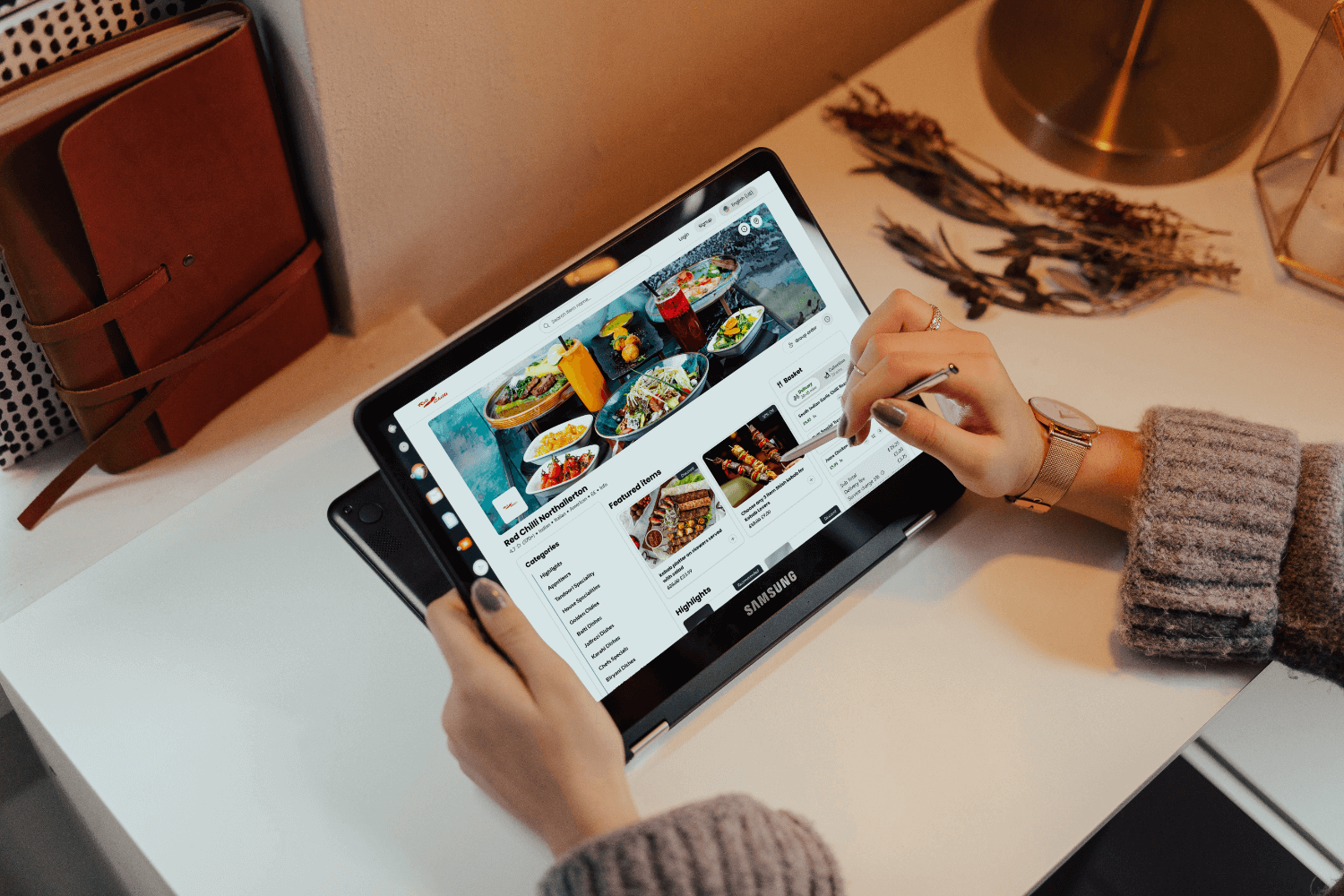
A restaurant can accept bookings through several channels and still work from one dependable diary. The challenge is making every commitment visible quickly enough for colleagues to act on it. A telephone reservation written on a loose note can cause trouble long before anyone touches the software.
Customers choose different routes for sensible reasons. Someone browsing late at night may use the website, while a guest planning a family gathering may prefer to call. The restaurant needs a process that accommodates those habits without creating separate versions of availability.
Start by deciding what counts as the working booking record. Then build clear staff actions around that decision, including how enquiries become confirmed reservations and how changes reach the host.
Give every channel a defined handover
List the channels people currently use and who monitors each one. Include less obvious routes such as a message to an owner's personal account or an enquiry passed on by another employee. Informal channels often remain active because regulars have used them for years.
For each route, define the next action. An enquiry may need a reply, a capacity check or entry into the diary. Make that action specific enough that someone covering a shift can perform it without guessing what the usual employee intended.
Avoid treating an unread message as a reservation. The customer should know when the restaurant has accepted the request. Equally, staff need to know which outstanding messages require a decision before availability is promised elsewhere.
Keep a short channel list where relevant employees can find it. Review it whenever the restaurant changes its website, contact details or responsibility for customer communication.
Enter telephone bookings during the conversation
Where the working setup allows it, add a telephone reservation while speaking to the guest. This gives the employee a chance to check availability and confirm details together. A promise to enter it later creates an avoidable gap between the conversation and the diary.
Read the important details back naturally. Confirm the date, time, party size and correct location, then check the contact information needed for the reservation. The conversation can stay friendly without relying on memory once the call ends.
If staff cannot access the diary from the telephone position, address that practical issue. A clear temporary process needs an owner and a prompt transfer step. Otherwise, the restaurant is asking employees to maintain accuracy through interruptions alone.
Agree what happens if the requested time is unavailable. Staff should understand the alternatives they can offer and which exceptions require a manager's decision before promising a table.
Test how online and staff entries interact
A shared diary is useful when availability reflects commitments across channels. Demonstrate that interaction before relying on it during a busy period. Add a staff booking and check the public form, then repeat the exercise with an online reservation.
When selecting a restaurant booking system for several booking channels, test the shared record from both sides. OrderApps offers a reservation dashboard; confirm the supported process for entering telephone bookings and managing online availability.
Include a scenario in which an employee amends an existing entry. A larger party or different time may affect the remaining capacity. Staff need to understand the result rather than assume the software will interpret every operational consequence for them.
Ask how access works for the people who genuinely need it. A manager, host and telephone handler may use the diary differently, but they should all be able to identify the current agreed booking details.
Treat walk ins as a capacity decision
A walk in party uses the same room as booked guests. Before seating them, the host needs to consider upcoming reservations and how long the table is likely to be occupied. An empty table can already carry a commitment later in the service.
Decide how walk ins are represented in the working process. Some setups support entering or seating them directly; others require a different agreed method. Verify what your chosen arrangement can do and keep the staff instruction consistent.
Explain time constraints before the party sits down if a table is needed later. The restaurant should offer an arrangement it can serve comfortably, with clear expectations rather than a surprise conversation halfway through the meal.
If the wait cannot be estimated confidently, say what the team actually knows. Customers benefit from an honest explanation of the current position and the available alternatives more than an optimistic promise staff cannot support.
Stop amendments creating duplicate bookings
A guest who changes a reservation may contact the restaurant through a different channel from the one used originally. Staff should search for the existing entry before creating another. That simple habit helps keep both capacity and guest communication accurate.
Confirm which detail identifies the reservation most reliably in your process. It might involve the booking reference, contact information or a combination of name and date. Demonstrate the search method rather than leaving new employees to browse a crowded diary.
Record the final agreement where colleagues will see it. A note in a social inbox is not enough if the host works from a different screen. The changed party size or arrival time needs to reach the working booking record.
Check any customer messages triggered by the amendment. Guests should receive information consistent with what staff agreed, and cancelled details should not continue appearing in later reminders or saved replies.
Build a useful shift handover
A shift handover should highlight bookings that need an action or a decision. Examples include an unresolved request, a larger group with an agreed arrangement or a customer expected to call back. Reading every reservation aloud can hide those exceptions in routine detail.
Name the person responsible for each outstanding item. A note saying somebody should contact the guest leaves too much room for assumption. Make clear whether the booking is confirmed, awaiting information or dependent on a manager's review.
Keep the handover attached to the current diary wherever possible. A separate list quickly becomes stale when amendments arrive. If a temporary list is necessary, agree when it is checked against the live record and who removes completed items.
Include the kitchen when an arrangement affects meal preparation or timing. Front of house may know that a party needs a coordinated arrival, but the service plan only works when the relevant colleagues share that understanding.
A useful handover can be checked against a simple question: if the employee who took this booking went home now, could the next person explain the agreement accurately? Try that exercise with a recently amended reservation. Ask the covering colleague to locate the final time, party size and any action still required. If they need to search a personal message thread or call the absent employee, move the essential information into the agreed working record before the next service.
Prepare for access problems before they happen
Decide how the restaurant will operate if the normal booking screen cannot be accessed. The plan should explain who checks the issue, how staff handle new enquiries and how commitments made during the interruption are reconciled afterwards.
Use backup information carefully. A printed list or saved copy represents a point in time and may miss later changes. Staff should understand that limitation and avoid treating an old record as proof of current availability.
Practise the return to normal working. Someone needs to compare temporary entries, identify duplicates and update outstanding requests. Recovery can create confusion if everyone assumes that another employee has already transferred the information.
One dependable diary is the result of repeated staff habits as well as software. Give each channel a clear handover, record commitments promptly and make amendments visible. Guests can then book in the way that suits them while the restaurant works from a shared, current plan.

 English
 Arabic
 French
 Spanish
 Deutsch
 Turkish
 Dutch
Dutch
 Italiano
 Russian
 Romaian
 Portuguese (Brazil)
 Greek
Greek
 Bengali