


How Does Property Management Software Simplify Daily Tasks
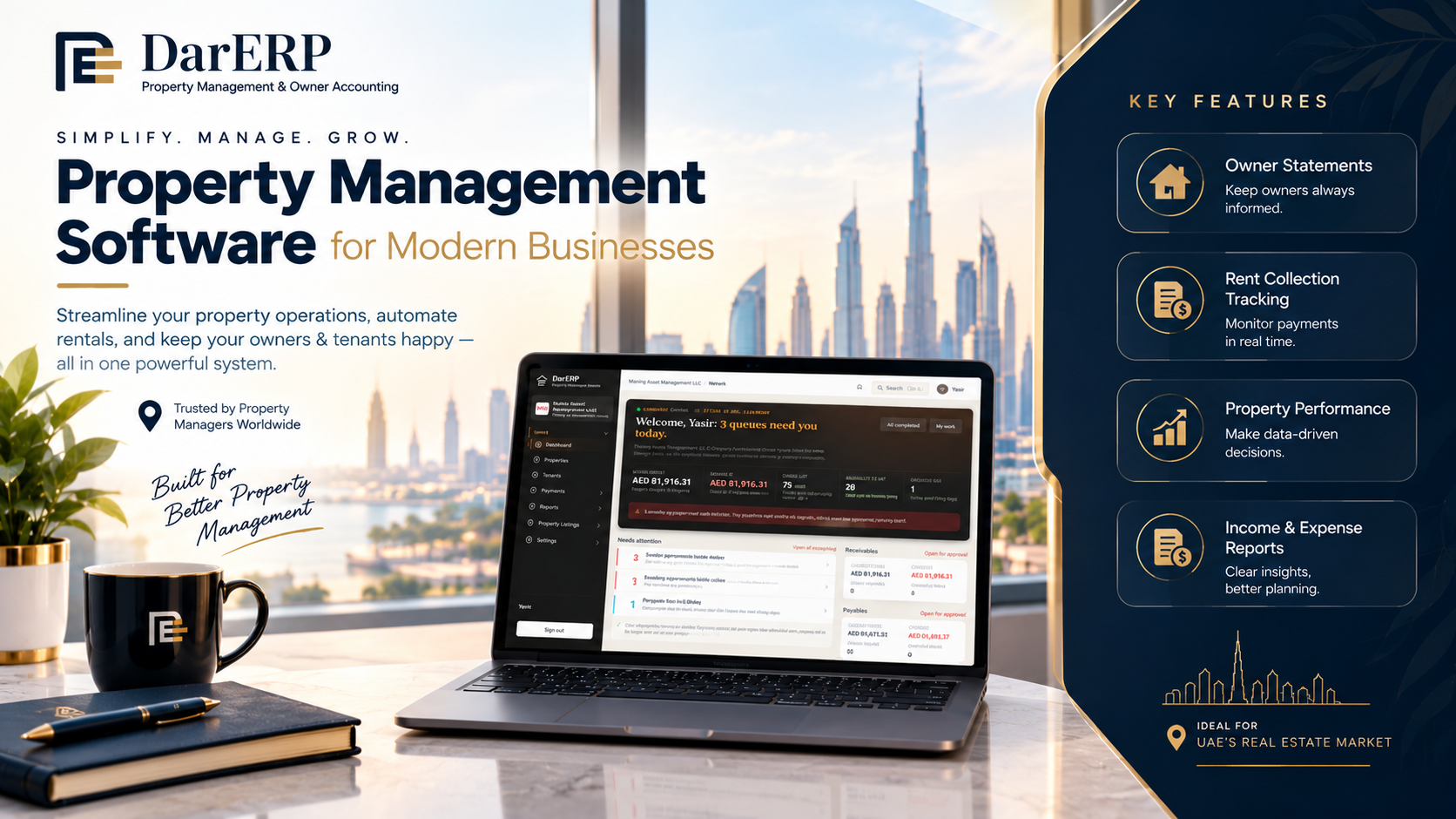
Managing properties efficiently requires much more than tracking rent and keeping tenant details. Property owners and management teams often need to handle leases, occupancy, payment schedules, maintenance requests, documents, owner records, expenses, and reporting at the same time. As portfolios grow, manual processes can become difficult to control and may create gaps between different departments.
A Property Management Software provides a centralized way to organize these activities, reduce repetitive administration, and improve visibility across the entire portfolio. It can help teams work with more accurate information, respond to operational issues faster, and make better decisions using structured property data. For landlords, developers, and real estate companies, a connected digital system can create a more reliable and scalable way to manage day-to-day operations.
What Is Property Management Software?
Property management software is a digital platform designed to help real estate businesses manage operational, financial, and administrative activities from one place. It can organize buildings, units, tenants, lease agreements, payments, maintenance, documents, and reporting within a connected environment.
Instead of maintaining separate spreadsheets for leasing, finance, maintenance, and owner reporting, teams can use one system to access shared information. This helps reduce duplicate data entry and makes it easier to keep records updated.
A modern property operations platform can also give management a clearer view of how the portfolio is performing without relying on manually prepared reports.
Why Property Management Software Matters
As the number of properties and tenants increases, the volume of daily tasks increases as well. Teams may need to monitor expiring leases, overdue rent, maintenance requests, owner balances, supplier expenses, and occupancy changes across multiple properties.
Without a structured system, information can easily become fragmented. One department may update a spreadsheet while another works with older data.
A centralized real estate workflow system helps connect these activities so different teams can work with the same core information. This improves consistency and can reduce delays caused by disconnected processes.
Key Features of Property Management Software
A useful property platform should support both operational management and financial oversight.
Important capabilities often include:
-
Property, tenant, lease, and occupancy management: Organize units, tenant profiles, contract terms, renewals, occupancy status, and tenancy history.
-
Payments, maintenance, accounting, owners, and reporting: Track rent, expenses, service requests, financial activity, property documents, and portfolio performance.
The value comes from bringing these functions together rather than managing each area separately.
Property and Unit Management
A clear property structure is the foundation of effective management. Businesses need accurate records for buildings, units, property types, rental values, occupancy, and ownership.
A centralized property inventory system makes it easier to review this information and keep records consistent.
Managers can quickly identify vacant units, occupied properties, and upcoming changes in occupancy.
DarERP can support this type of centralized organization by helping teams keep property records and related operational information connected.
Lease Administration
Lease management is one of the most important parts of property operations. Each agreement may contain rental values, start and end dates, payment terms, deposits, renewal conditions, and supporting documents.
A lease administration system can help teams maintain this information and identify contracts that are approaching expiry.
This gives property managers more time to prepare renewals or plan for possible vacancies.
It can also improve consistency by keeping tenancy information connected with the correct unit and tenant.
Tenant Record Management
Tenant management should include more than contact details. Teams often need access to payment history, lease information, documents, maintenance requests, deposits, and tenancy status.
A centralized tenant record management process can keep all of this information linked to one account.
This helps leasing, finance, and operations teams work with the same tenant history and makes it easier to respond to questions or issues.
It also reduces the need to search through multiple files or message threads.
Rental Payment Tracking
Property businesses need a clear view of expected and received rental payments.
A rental payment tracking system can show what is due, what has been collected, and which balances remain outstanding.
This gives finance teams better visibility and makes payment follow-up more structured.
For larger portfolios, it can also help management compare collection performance across different properties or tenant groups.
PDC and Installment Management
Where post-dated cheques or installment schedules are used, digital tracking can improve organization.
The system can record cheque numbers, due dates, amounts, payment status, and the related tenant or lease.
This reduces dependence on manually maintained registers and creates a more reliable payment schedule.
It also gives finance teams a clearer view of upcoming collections.
Property Accounting and Expense Management
Property operations involve many financial transactions beyond rent collection. These can include repairs, service costs, vendor payments, utilities, deposits, and owner-related expenses.
A property finance management solution can link these transactions directly to the relevant property or unit.
This improves financial visibility and makes it easier to understand income and expenses at asset level.
DarERP Property Management Software can help bring operational and financial information into one environment, making property-level performance easier to review.
Maintenance and Service Operations
Maintenance is a key part of protecting property condition and supporting tenant satisfaction.
A property service management system can help teams record maintenance requests, assign responsibility, track progress, and keep service histories.
Managers can identify open, delayed, completed, or recurring issues more easily.
This can also help businesses understand which properties require more maintenance attention or generate higher service costs.
Vendor Management
Property companies often work with outside contractors for cleaning, plumbing, electrical work, air conditioning, repairs, security, and other services.
A centralized vendor management process can keep supplier details, work assignments, invoices, and service history organized.
This improves accountability and can help management compare costs and performance across different service providers.
It also reduces the need to maintain separate contractor records outside the main property system.
Owner and Landlord Reporting
Many property management companies operate properties on behalf of different owners.
A structured owner account management process can help track property income, expenses, balances, and statements separately for each landlord or investor.
This makes reporting more consistent and can reduce the amount of manual work required to prepare owner summaries.
Better owner reporting also improves transparency and helps property managers explain asset performance more clearly.
Document Management
Property operations involve a large number of documents, including tenancy contracts, invoices, ownership records, receipts, tenant files, and maintenance reports.
A centralized digital property document system can connect each file to the correct property, tenant, lease, or transaction.
This makes important documents easier to retrieve and reduces dependence on scattered folders.
For larger businesses, structured document management can also support better internal control.
Dashboards and Management Reports
A property management system should help businesses understand performance, not just store information.
Useful dashboards may include occupancy, rental collections, overdue balances, lease expiries, expenses, maintenance activity, and owner accounts.
A property performance dashboard can help management identify trends and problems earlier.
For example, teams may notice a property with high vacancy, increasing repair costs, or weaker collection performance.
DarERP Property Management Software UAE can support this type of connected reporting by bringing financial and operational records into one management environment.
Workflow Automation
Many property management tasks are repetitive, including renewal follow-ups, payment reminders, maintenance approvals, and document checks.
Workflow automation can help highlight pending tasks and important dates.
This reduces manual monitoring and gives teams more time to focus on tenant service, problem-solving, and management decisions.
Standardized workflows can also improve consistency across different properties and departments.
Benefits of Property Management Software
The main benefit of property management software is centralization. Businesses can manage property, tenant, lease, financial, maintenance, and owner information within one system.
This can improve data accuracy, reduce duplicate work, simplify reporting, and improve collaboration between teams.
It can also provide stronger financial visibility and make it easier to scale operations as the number of properties increases.
For growing real estate businesses, having one structured system can provide more control than relying on a collection of disconnected tools.
How to Choose the Right Property Management Software
The right system should match the actual needs of the business.
Companies should consider portfolio size, number of users, property types, lease processes, payment methods, accounting requirements, maintenance workflows, owner reporting, document management, and reporting needs.
Ease of use should also be considered. A platform should simplify daily tasks rather than make them more complicated.
Scalability is important too, especially for businesses planning to add more properties, tenants, or users in the future.
Final Thoughts
Property management becomes more complex as portfolios grow and more departments become involved in everyday operations. Manual records may work for a small number of units, but they become harder to maintain as activity increases.
Property Management Software provides a more structured way to manage properties, tenants, leases, payments, maintenance, expenses, owners, and reports from one connected environment.
The right system should improve visibility, reduce administrative work, and support better financial and operational decisions.
For property businesses focused on growth, moving to a centralized platform can create a stronger foundation for more efficient and scalable real estate management.
Frequently Asked Questions
1. What does Property Management Software do?
Property Management Software helps businesses manage properties, tenants, leases, rental payments, maintenance, expenses, owners, documents, and reporting from one centralized platform.
2. Who should use Property Management Software?
It can be used by landlords, property managers, developers, asset managers, and real estate companies managing residential, commercial, or mixed-use properties.
3. Can Property Management Software manage multiple properties?
Yes. A centralized system can help businesses manage multiple properties and units while keeping tenant, lease, financial, and maintenance information organized.
4. Does Property Management Software help with financial management?
Yes. Depending on the platform, it can support rental collections, receivables, expenses, deposits, owner balances, and property-level financial reporting.
5. What features should businesses look for?
Businesses should look for property and tenant management, lease tracking, payment control, maintenance workflows, accounting, owner reporting, document storage, dashboards, permissions, and scalability.

 English
 Arabic
 French
 Spanish
 Portuguese
 Deutsch
 Turkish
 Dutch
Dutch
 Italiano
 Russian
 Romaian
 Portuguese (Brazil)
 Bengali