


What Factors Affect Brazilian Butt Lift Results?
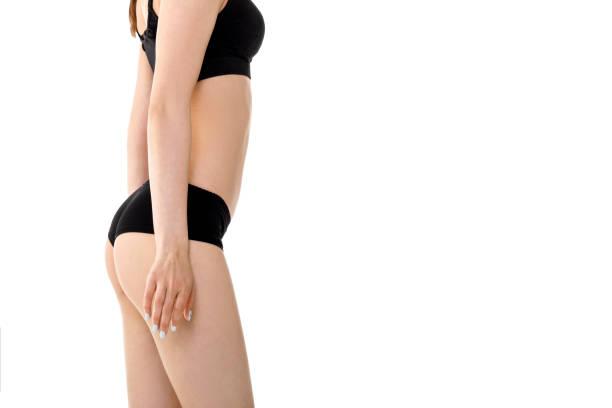
A Brazilian Butt Lift (BBL) is a body-contouring procedure designed to enhance the shape and volume of the buttocks using fat transferred from other areas of the body. Although many patients seek fuller, more balanced proportions, the final outcome depends on several factors, including surgical technique, fat survival, individual anatomy, and postoperative care. Understanding the factors that influence Brazilian Butt Lift (BBL) in Riyadh can help patients develop realistic expectations and make informed decisions before undergoing surgery.
During a BBL, a surgeon removes fat from selected areas, such as the abdomen, flanks, or thighs, and transfers suitable fat into the buttocks. Not all transferred fat survives, and the body gradually reabsorbs some of it during healing. This means the initial appearance may differ from the final result. Patients considering Brazilian Butt Lift (BBL) in Riyadh should understand that successful outcomes involve more than the procedure itself; preparation, recovery habits, and long-term lifestyle choices also play important roles.
Fat Survival and Blood Supply
One of the most important factors affecting BBL results is how much transferred fat survives after surgery. Fat cells need access to oxygen and nutrients through the surrounding blood supply to remain viable. Some transferred cells may not establish an adequate blood supply and will gradually be reabsorbed by the body.
The amount of surviving fat varies from person to person. Surgical technique, the condition of the harvested fat, and the body's healing response can influence the outcome. Even when surgery and recovery proceed well, a surgeon cannot guarantee that every transferred fat cell will survive.
As swelling decreases over the first several months, patients may notice a reduction in volume. This is an expected part of the healing process and does not necessarily indicate an unsuccessful procedure.
The Surgeon’s Experience and Technique
The surgeon’s qualifications and approach are important considerations when planning a BBL. Fat harvesting, processing, and transfer require careful attention to anatomy, tissue handling, and patient safety.
An experienced, appropriately qualified plastic surgeon can assess your body proportions, determine whether sufficient donor fat is available, and explain what level of enhancement may be realistic. The surgeon should also follow current safety standards for fat transfer and provide clear postoperative instructions.
During consultation, ask about the surgeon’s qualifications, experience with BBL procedures, surgical setting, potential complications, and follow-up arrangements. A responsible treatment plan should prioritize safety and suitable results rather than promise a particular size or shape.
Your Natural Body Shape and Available Donor Fat
Every patient has a different body structure, fat distribution, and skin elasticity. These characteristics influence how much fat can be harvested and where it can be transferred to create balanced proportions.
People with sufficient donor fat may have more options for contouring the waist, abdomen, flanks, or thighs while enhancing the buttocks. However, having more available fat does not automatically mean a better result. The surgeon must consider your anatomy, medical suitability, and safe limits for fat transfer.
Your natural buttock shape and muscle structure also influence the final appearance. A BBL can improve contour and volume, but it cannot completely change your underlying anatomy or guarantee a specific appearance based on a photograph.
Postoperative Care and Recovery Habits
Following postoperative instructions is essential for supporting healing and protecting the transferred fat. The early recovery period is particularly important because the transferred cells need time to establish a blood supply.
Your surgeon may recommend avoiding direct pressure on the buttocks for a specified period, using an approved BBL pillow when sitting is permitted, and sleeping in a recommended position. These instructions vary according to the procedure and your individual needs.
-
Follow sitting restrictions: Avoid prolonged direct pressure on the buttocks until your surgeon permits it.
-
Use recommended sleeping positions: Keep pressure off the treated area as instructed.
-
Attend follow-up appointments: Allow your surgical team to assess healing and address concerns.
-
Return to activities gradually: Resume exercise and strenuous tasks only when medically cleared.
Following these precautions can support recovery, but it cannot guarantee a particular percentage of fat survival.
Weight Stability and Lifestyle Choices
Weight changes can significantly influence the long-term appearance of BBL results. Transferred fat cells behave like other fat cells in the body, meaning they can increase or decrease in size as your weight changes.
Significant weight gain may increase buttock volume and alter body proportions. Substantial weight loss can reduce fullness and change the contour achieved through surgery. Maintaining a relatively stable weight after recovery can help preserve the intended appearance.
A balanced diet, adequate hydration, sufficient sleep, and regular physical activity after medical clearance support general health. Avoid crash diets and rapid weight-loss programs during recovery because your body needs appropriate nutrition for healing. Smoking and nicotine use can also impair wound healing and blood flow, so follow your healthcare professional’s recommendations about avoiding nicotine before and after surgery.
Skin Elasticity and Aging
Skin elasticity affects how smoothly the body adjusts to changes in volume. Patients with good skin elasticity may experience different contouring outcomes from those with loose or less elastic skin.
Aging also influences results over time. Changes in skin firmness, hormonal factors, and natural shifts in fat distribution may gradually affect the shape of the buttocks. Although surviving transferred fat can remain for many years, BBL surgery does not stop the natural aging process.
Your surgeon can evaluate skin quality and explain whether fat transfer alone is likely to meet your goals or whether other considerations may affect the treatment plan.
Swelling and the Time Needed to See Results
The appearance of the buttocks changes throughout recovery. Swelling and bruising are common during the first few weeks, so the early postoperative shape should not be considered the final result.
Over the following months, swelling gradually decreases and some transferred fat is reabsorbed. Many patients can assess their results more clearly within approximately three to six months, although individual timelines vary.
Patience is important during this stage. Avoid judging your outcome too early or seeking additional treatment before your surgeon confirms that sufficient healing has occurred. If you notice unusual pain, rapidly increasing swelling, fever, or signs of infection, contact your surgical team promptly. Sudden shortness of breath or chest pain requires emergency medical attention.
Book Your Consultation at Royal Clinic Saudia
Understanding the factors that influence fat survival, body proportions, and recovery can help you make a more informed decision about cosmetic surgery. At Royal Clinic Saudia, a consultation can help you discuss your goals, medical suitability, potential risks, and postoperative care requirements. If you are considering Brazilian Butt Lift (BBL) in Riyadh, speak with a qualified medical professional about a personalized treatment plan and realistic expectations for your results.
FAQs:
What is the most important factor affecting BBL results?
Fat survival is a major factor because not all transferred fat cells establish a lasting blood supply. Surgical technique, individual healing, and postoperative care can influence the final outcome.
Does weight gain affect Brazilian Butt Lift results?
Yes. Transferred fat cells can enlarge with weight gain, potentially changing the size and proportions of the buttocks. Significant weight fluctuations may alter the results.
How long does it take to see the final BBL results?
Many patients see a clearer picture of their results within approximately three to six months. Swelling and changes in fat volume can continue during recovery, so the timeline varies.
Can I guarantee long-lasting Brazilian Butt Lift results?
No procedure can guarantee an exact outcome or permanent shape. Following recovery instructions and maintaining a relatively stable weight may help preserve results, but aging and natural body changes can still affect them.

 English
 Arabic
 French
 Portuguese
 Deutsch
 Turkish
 Dutch
Dutch
 Italiano
 Russian
 Romaian
 Portuguese (Brazil)
 Greek
Greek
 Bengali