


How Professional Mold Removal Experts Protect Unaffected Areas During Cleanup
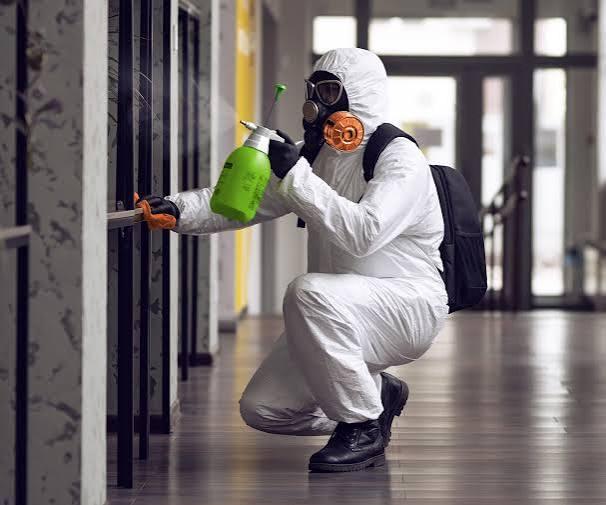
When mold is discovered in one part of a home, most homeowners focus entirely on the affected room and give little thought to what happens to the rest of the property while the cleanup takes place. This is an understandable instinct but it overlooks one of the most consequential dimensions of professional remediation: the deliberate and systematic effort qualified technicians invest in making sure the clean areas of your home stay clean while the affected areas are being treated. Trusted mold removal experts understand that disturbing a mold colony releases spores into the surrounding air, and without rigorous containment and protection protocols in place, those spores settle on new surfaces throughout the home and create secondary colonies that become the next problem. For homeowners searching for mold removal services near me in Florida, knowing what these protection measures look like is one of the most useful tools available for evaluating the quality of a company before hiring them. This guide explains the specific methods professionals use to protect unaffected areas during mold cleanup and why each one matters.
Why Protecting Unaffected Areas Is as Important as Cleaning Affected Ones
The instinct during a mold project is to focus on the area that needs cleaning. The affected wall, the discolored ceiling section, the damp corner of the basement. What receives less attention is the fact that cleaning those areas without proper safeguards can make the overall mold situation in the home significantly worse rather than better.
Mold reproduces through microscopic spores that become airborne the moment the colony they belong to is physically disturbed. These spores are invisible to the naked eye and travel rapidly through moving air. When a mold colony is disturbed by cleaning, cutting, sanding, or removing the material it grows on, spore release is immediate and substantial. Without physical barriers and negative air pressure systems controlling air movement, those spores travel freely into adjacent rooms, settle on new surfaces, and establish new colonies when moisture conditions eventually allow it.
This is precisely why so many homeowners who attempt their own mold cleaning discover mold in new locations within weeks or months of their original effort. They cleaned the visible colony but scattered its reproductive particles throughout the home in the process. Preventing that outcome is one of the most important contributions that trained mold removal experts make to any remediation project.
The Scale of Contamination Risk During Active Mold Disturbance
Understanding the scale of contamination risk during active mold disturbance explains why professional containment protocols are as detailed and as non-negotiable as they are. When a mold colony is actively disturbed, spore concentrations in the surrounding air increase dramatically. In an environment without proper containment, a single cleanup session can raise spore counts in adjacent rooms to levels many times higher than they were before any cleaning began.
That elevated spore concentration does not immediately produce visible mold everywhere the particles travel. Spores land on surfaces and remain dormant until moisture conditions allow them to begin colonizing. A slow plumbing drip, a particularly humid season, condensation on a cold wall, or even the spray from a cleaning product can provide enough moisture to activate settled spores on a new surface. The resulting mold outbreak appears weeks or months after the original cleanup as a fresh problem in an area that was never part of the initial project scope.
In Southwest Florida and the Sarasota region, where outdoor humidity remains elevated through most of the year and the window between spore settlement and active colonization on a receptive surface is compressed by the warm and humid climate, rigorous containment is not a best practice. It is an essential requirement.
Physical Containment Barriers: The First Line of Defense
The most visible method that trusted mold removal experts use to protect unaffected areas is the installation of physical containment barriers before any mold disturbance begins. These barriers physically separate the work zone from the rest of the home and create the primary boundary that prevents spore laden air from reaching clean areas during the active phases of the project.
Professional containment uses heavy-duty polyethylene sheeting, typically 6 mil thickness or greater, to seal the work area completely. This includes covering doorways, windows, and any openings that connect the work zone to adjacent spaces. The sheeting is secured with specialized tape to create a full perimeter seal rather than a loosely hung barrier. Containment is established before any cleaning, cutting, or removal of materials begins. The sequence is non-negotiable: containment first, disturbance second.
In larger projects where the affected area spans multiple rooms or an entire floor, containment may involve constructing an isolated entry and exit zone through which workers pass between the work zone and the clean area of the home. This controlled entry point prevents the direct exchange of air between the two zones every time a worker enters or exits the contained space. The containment structure is maintained for the full duration of active work and is not removed until all cleaning, removal, treatment, and drying phases are complete.
Negative Air Pressure Systems and How They Work
Physical barriers alone are not sufficient to prevent spore migration from a work zone. Air moves through any enclosed space, and any imperfection in the barrier creates a potential pathway for contaminated air to reach clean areas. This is why professional containment relies not only on physical separation but also on active air pressure management.
Negative air pressure machines draw air out of the work zone continuously and exhaust it to the exterior of the building through HEPA filtered exhaust hoses. This creates a condition of lower air pressure inside the work zone relative to the adjacent clean areas. The practical result of this pressure differential is that any air movement through gaps or imperfections in the containment barrier flows inward rather than outward. Instead of spore laden air from the work zone seeping into clean rooms, clean air from the surrounding area is drawn inward and then exhausted outside.
This negative pressure condition is maintained throughout the entire active work period. The machines run continuously while mold is being disturbed, treated, or removed. The capacity, filtration capability, and sustained output of professional negative air machines are not replicable with consumer-grade equipment, which is one of the most important technical reasons that professional remediation produces reliably different outcomes than DIY cleaning attempts.
HEPA Air Scrubbers and Continuous Air Filtration Inside the Work Zone
Working alongside negative air pressure machines, professional teams run HEPA air scrubbers inside the work zone throughout the remediation process. These machines draw the air within the contained space through a series of filtration stages, with the final stage being a true HEPA filter capable of capturing particles as small as 0.3 microns. Since mold spores typically range from 2 to 100 microns in diameter, HEPA filtration captures them at extremely high efficiency.
Continuous operation of air scrubbers inside the work zone reduces the concentration of airborne spores within the contained space during active work. Lower spore concentration inside the work zone means less contamination risk from the inevitable small imperfections in any containment installation. It also means the air being exhausted outward through the negative pressure system carries fewer spores per unit volume, reducing the overall contamination load throughout the project.
After the active work is complete but before containment is removed, air scrubbers continue running until sampling within the work zone confirms that spore concentrations have returned to safe levels. This prevents the release of concentrated spore laden air into the rest of the home when the containment barriers are finally taken down.
Protecting the HVAC System During Mold Cleanup
One of the most significant pathways through which mold spores can migrate from the work zone to clean areas is the home's HVAC system. If the air handler is operating during active mold disturbance, it draws spores from the work area into the air handling equipment, deposits them on internal components including the evaporator coil and interior ductwork surfaces, and then distributes them through supply registers to every room served by the system.
Professional mold removal services protect the HVAC system through several coordinated steps. The system is shut off before active work begins and remains off for the full duration of the mold disturbance phase. Supply and return air vents within the work zone are sealed with plastic sheeting before any disturbance occurs, preventing spores from entering the ductwork through those openings. In adjacent rooms outside the direct work zone, vents are also covered to minimize the particulate load entering the ductwork from the broader indoor environment during the project.
Professional mold removal services that include HVAC protection and post-project filter replacement as standard elements of their scope are demonstrating a level of thoroughness that protects the homeowner from one of the most commonly overlooked pathways for post remediation recontamination.
Worker Movement Protocols That Prevent Cross Contamination
The physical barriers and air management systems in place during a professional project can be undermined by the way workers move between the contained work zone and the clean areas of the home. Trained technicians follow specific movement protocols designed to prevent the transfer of surface-deposited contamination from the work area to clean spaces.
Workers wear full body disposable coveralls, boot covers, gloves, and respirators while inside the contained zone. These coverings trap spores that settle on clothing and equipment surfaces during the work. Before exiting the work zone, workers remove these coverings within the contained space rather than in the clean area of the home. This prevents the surface contamination on those coverings from being introduced into clean rooms during the exit process.
Equipment that needs to move between the work zone and other areas is cleaned and inspected before being carried through any clean section of the home. Larger machinery and tools are staged at the exterior rather than transported through living spaces wherever practical. This level of attention to movement and transition protocol is one of the details that most clearly separates a trained professional crew from a team that has not been prepared to the full standard.
Protecting Personal Belongings and Soft Materials in Adjacent Areas
Even with strong containment and air management in place, professional teams advise additional protective steps for personal belongings and soft materials in rooms adjacent to the work zone. Soft and porous materials are particularly susceptible to absorbing airborne spores because of their surface area and the way fabric fibers trap particles.
Upholstered furniture, bedding, drapes, area rugs, and clothing stored in closets near the work zone are all at elevated risk of spore deposition even in adjacent rooms. Professional teams recommend removing these items from adjacent rooms before work begins or covering them with clean plastic sheeting that is sealed at the edges when removal is not practical. Bookshelves, paper materials, and electronic equipment in adjacent spaces should be similarly covered or relocated.
This preparation done by the homeowner before the remediation crew arrives works in combination with the professional containment measures to minimize the surface area available for spore deposition outside the primary work zone.
Post-Work Decontamination Before Containment Is Removed
Removing containment barriers is not simply a matter of pulling down plastic sheeting once the active work is done. The exterior surfaces of containment barriers accumulate spore deposits during the remediation process. Removing those barriers without first cleaning their outer surfaces releases accumulated contamination into the now-treated work zone and adjacent rooms.
Trained professionals wipe down the outer surfaces of containment sheeting with damp cloths or antimicrobial wipes before beginning the takedown process. The sheeting is folded inward toward itself as it is removed, which traps any remaining surface contamination within the fold rather than releasing it into the surrounding air. The folded material is sealed in bags and removed as part of the project waste stream.
After containment is completely removed, a final pass of HEPA vacuuming and surface wiping throughout the work zone removes any residual spores that settled on hard surfaces during the project. This final decontamination is performed before the area is returned to normal use and before any finishing work such as painting or new drywall installation begins.
The Role of Mold Inspection Before and After the Project
Two of the most important points in any professional mold project are the assessment before work begins and the air quality verification after it ends. Both are directly connected to how effectively the containment and protection measures perform during the project.
A thorough mold inspection before work begins maps the full scope of the mold problem including hidden colonies in wall cavities, under flooring, and in HVAC components that do not produce visible indicators on accessible surfaces. This mapping determines exactly where containment boundaries need to be placed and how comprehensive the protection protocols need to be. A containment plan built on an incomplete picture of the problem will leave gaps through pathways that were not identified during the planning phase.
Post-work air sampling confirms whether the protection measures worked as intended. Samples taken in treated areas and in adjacent rooms are compared against baseline readings established during the initial mold inspection. If spore concentrations in adjacent rooms remain at or below pre-project baseline levels, the containment successfully prevented cross contamination throughout the project. Elevated readings in those adjacent rooms indicate that migration occurred and that additional cleaning is required before the project is formally complete.
How to Evaluate Whether a Company Follows These Standards
Knowing what these protection protocols involve is only useful if you know how to determine whether the company you are considering actually follows them. When searching for mold removal services near me in Florida, the questions you ask a potential company before hiring them reveal more about their actual professional standard than any marketing claim.
Ask specifically how the work area will be physically contained. A company that describes plastic sheeting barriers, negative air pressure machines, and HEPA air scrubbers as part of their standard setup is describing professional protocol. A company that describes closing the affected room's door and cleaning visible surfaces with a spray product is describing an approach that will not prevent spore spread regardless of how they present their services.
Ask whether the HVAC system will be shut off and vents sealed before work begins. Ask what worker movement protocols are in place for entering and exiting the work zone. Ask whether post remediation air sampling is part of their standard scope of work. Experienced mold removal experts can answer each of these questions clearly and in detail because they follow these protocols on every project as a standard expectation rather than a premium add-on.
Conclusion
Protecting the unaffected areas of a home during mold cleanup is not an optional upgrade to the remediation process. It is a core professional responsibility that defines the difference between a cleanup that resolves a mold problem and one that relocates it. Physical containment barriers, negative air pressure systems, HEPA air scrubbers, deliberate HVAC protection, disciplined worker movement protocols, and thorough post-work decontamination together create the conditions where mold can be safely removed from one part of a home without creating a new problem throughout the rest of it. Trusted mold removal experts integrate each of these measures into their standard process because they understand that a completed project means the whole home is clean, not just the area where the original growth was found. The Mold Guys have served homeowners across Southwest and Central Florida for over 25 years with the training, equipment, and professional standards that this level of work demands. Contact The Mold Guys today to schedule a thorough assessment and work with a team that protects your entire home from start to finish.
FAQs
Q: Why is spore containment during mold removal more important than the cleaning products used?
A: Cleaning products only affect the surface they are applied to. Spores released into the air during disturbance travel throughout the home and settle on new surfaces. Without physical containment and negative air pressure, the cleanup process can spread mold more widely than the original colony had already reached.
Q: How does negative air pressure actually prevent spore migration to clean rooms?
A: Negative air pressure machines exhaust air from the work zone to the exterior continuously, creating lower air pressure inside the containment than in adjacent rooms. This means any air movement through containment gaps flows inward rather than allowing spore laden work zone air to push outward into clean spaces.
Q: Should my HVAC system be off during professional mold remediation?
A: Yes. A running system draws spores from the work area into internal components and then distributes them to every room through supply registers. Professional teams shut the system off before work begins, seal all vents in the work zone, and replace the air filter at project completion before the system returns to normal operation.
Q: What does a pre-remediation mold inspection contribute to containment planning?
A: Inspection maps the full scope of the mold problem including hidden growth that no visual check reveals. This complete picture determines exactly where containment boundaries must be placed. Containment based on incomplete information leaves gaps through pathways that allow spore migration into areas assumed to be clean throughout the project.
Q: What should I prepare in adjacent rooms before a mold remediation crew arrives?
A: Remove or cover upholstered furniture, bedding, drapes, area rugs, clothing, electronics, and paper materials in rooms neighboring the work zone. These porous and soft materials absorb airborne spores readily. Protecting them before work begins reduces surface area available for spore deposition outside the contained work zone.

 English
 Arabic
 French
 Spanish
 Portuguese
 Deutsch
 Turkish
 Dutch
Dutch
 Italiano
 Romaian
 Portuguese (Brazil)
 Greek
Greek
 Bengali