


Lightweight Moisturizer for Oily Skin: Benefits and How to Choose One
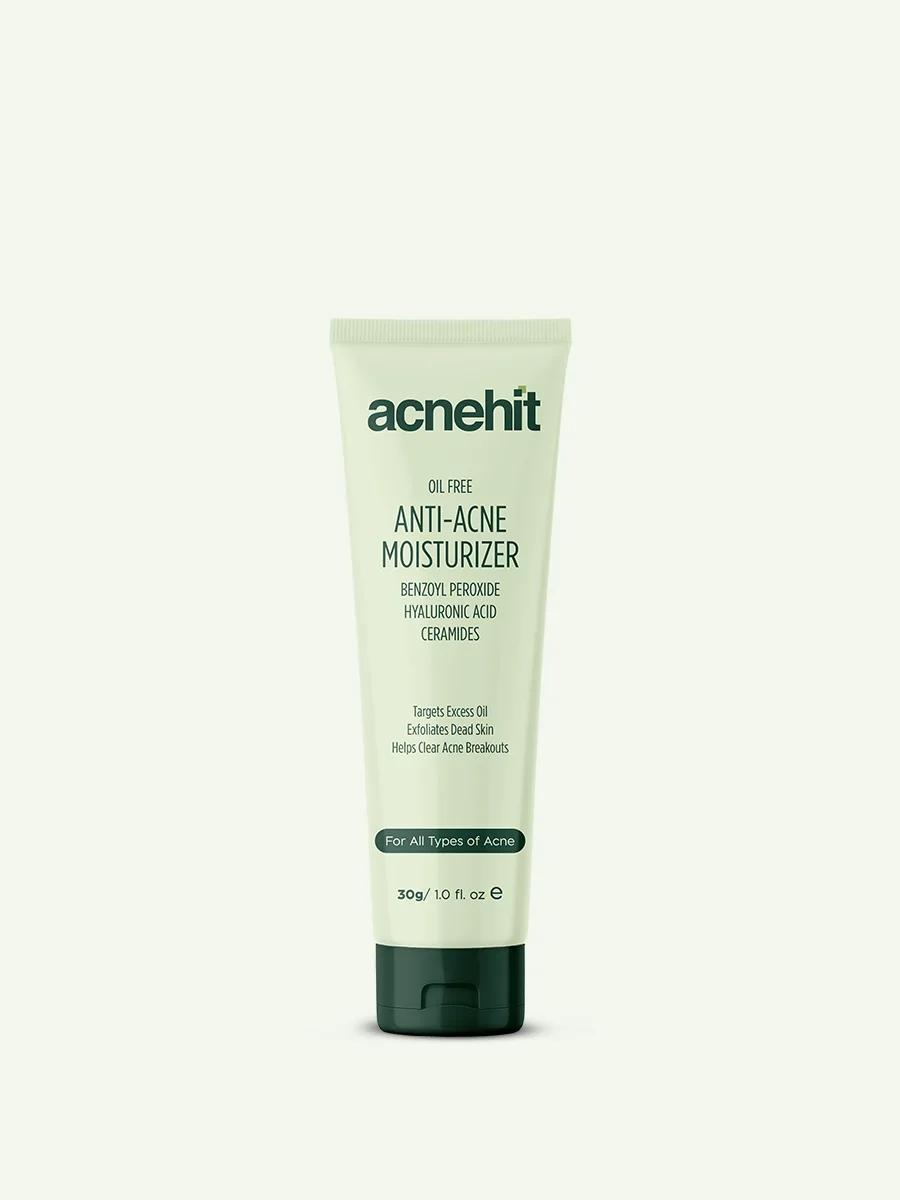
Oily skin can make choosing the right moisturizer feel challenging. When your face already looks shiny or greasy, adding another skincare product may seem unnecessary. However, moisturizer plays an important role in maintaining hydration and supporting the skin's natural protective barrier. The key is choosing a formula that provides moisture without leaving your skin feeling heavy.
A lightweight moisturizer can be a practical choice for people who experience excess oil, visible shine, or occasional breakouts. These formulas are often designed to feel comfortable on the skin while providing the hydration needed for a balanced skincare routine.
At Acne Hit, we believe that understanding your skin's needs is an important step toward making better skincare choices. Whether you have oily skin throughout the year or notice increased shine during hot and humid weather, selecting a suitable moisturizer can help make your daily routine more comfortable.
In this guide, we'll explore the benefits of lightweight moisturizers, the ingredients to look for, common mistakes to avoid, and how to choose a formula that suits your skin type.
What Is a Lightweight Moisturizer?
A lightweight moisturizer is a skincare product formulated to hydrate the skin without leaving a thick, heavy, or excessively greasy feeling. Compared with some rich creams, lightweight formulas generally have a thinner texture and spread easily across the face.
They are commonly available as gels, gel-creams, and light lotions. Depending on the formulation, these products may contain ingredients that attract water, help retain moisture, or support the skin's protective barrier.
Lightweight moisturizers can be particularly useful for people with oily or combination skin who prefer products that feel comfortable throughout the day.
However, lightweight does not necessarily mean less effective. A well-formulated product can provide sufficient hydration without a thick texture. The best option depends on your skin's individual needs, the climate, and the other products in your routine.
Why Does Oily Skin Need Moisturizer?
One of the most common skincare misconceptions is that oily skin does not need moisturizer. In reality, oil production and hydration are two different things.
Sebum is the natural oil produced by the sebaceous glands, while hydration relates to the water content of the skin. Your skin can produce excess sebum and still become dehydrated.
When the skin loses too much moisture, it may feel tight, rough, or uncomfortable, even if the surface looks oily. Some acne treatments can also contribute to dryness and irritation.
Using a suitable moisturizer helps reduce water loss and maintain the skin barrier.
Here are some important reasons to moisturize oily skin:
-
Maintains hydration: Helps keep the skin comfortable and reduces feelings of tightness.
-
Supports the skin barrier: Helps protect against excessive moisture loss.
-
Improves skin texture: Adequate hydration can make rough or flaky skin feel smoother.
-
Complements acne treatments: Helps manage dryness associated with certain acne medications.
-
Supports a consistent routine: A comfortable formula may make it easier to maintain daily skincare habits.
A moisturizer will not necessarily reduce your skin's natural oil production or treat acne on its own. However, it can play an important supporting role in a well-balanced routine.
Benefits of Using a Lightweight Moisturizer for Oily Skin
Choosing a moisturizer with a comfortable texture can make daily skincare easier, especially if you dislike products that leave a greasy residue.
1. Provides Hydration Without a Heavy Feel
One of the main benefits of lightweight moisturizers is their comfortable texture. Gel-based products and light lotions can provide hydration without the thick feeling that some people dislike in richer creams.
This can be particularly helpful during warm weather when your skin may feel sticky after applying several skincare products.
A lightweight formula should leave your skin feeling comfortable rather than coated in a heavy layer.
2. Helps Maintain the Skin's Protective Barrier
Your skin barrier helps retain moisture and protect the skin from environmental irritants. When this barrier becomes compromised, the skin may feel dry, irritated, or sensitive.
Moisturizers containing ingredients such as glycerin, ceramides, or panthenol can help support hydration and barrier function.
Maintaining the skin barrier is especially important if you use acne treatments or exfoliating ingredients that may cause dryness.
3. Can Work Well Under Sunscreen and Makeup
Heavy skincare layers may feel uncomfortable, particularly when combined with sunscreen or makeup.
A lightweight moisturizer can be easier to incorporate into a morning routine because it generally spreads easily and may layer comfortably with other products.
Allow your moisturizer to settle before applying sunscreen. If your sunscreen already provides sufficient hydration, you may not need a separate moisturizer in the morning.
4. May Be Suitable for Acne-Prone Skin
People with acne-prone skin often look for products that hydrate without contributing to clogged pores.
A lightweight moisturizer for acne-prone skin can be a useful option, particularly when it is labeled non-comedogenic. This term indicates that a product is designed to be less likely to clog pores.
However, no label guarantees that a product will suit every individual. The complete formulation and your personal skin response matter.
5. Offers Everyday Comfort in Warm Weather
In hot or humid conditions, thick skincare products can feel less comfortable for some people. Lightweight gels and lotions may be preferable because they offer hydration without an overly rich finish.
In Pakistan's warmer months, choosing a texture that feels comfortable throughout the day can help you maintain a consistent skincare routine.
Your skin may still require a richer moisturizer during colder weather or if you experience dryness from acne treatments.
How to Choose the Right Lightweight Moisturizer
Not every lightweight moisturizer is suitable for every skin type. Before choosing a product, consider its ingredients, texture, formulation, and how your skin responds.
1. Choose the Right Texture
Texture is an important starting point when selecting a moisturizer for oily skin.
Gel moisturizers: These usually have a fresh, lightweight texture and may suit people who dislike heavy skincare products.
Gel-creams: These combine the light feel of a gel with additional moisturizing properties. They may work well for oily skin that also experiences dehydration.
Light lotions: These provide hydration with a fluid texture and can be suitable for oily or combination skin.
There is no universally best texture. If your skin feels tight after cleansing, you may need more hydration than a very lightweight gel provides.
2. Look for Hydrating Ingredients
A lightweight formula should still contain ingredients that help maintain skin hydration.
Some useful ingredients include:
-
Glycerin: Attracts water to the skin and helps improve hydration.
-
Hyaluronic acid: Helps attract and retain water in the skin's surface layers.
-
Panthenol: Helps moisturize the skin and support barrier function.
-
Ceramides: Help maintain the skin barrier and reduce moisture loss.
-
Aloe vera: Can provide moisturizing benefits, depending on the formulation.
You do not need a moisturizer containing all these ingredients. Focus on finding a well-formulated product that addresses your skin's specific needs.
3. Consider Niacinamide
Niacinamide, a form of vitamin B3, is a common skincare ingredient that may benefit oily skin.
It can help support the skin barrier and improve the appearance of uneven skin tone. Some formulations containing niacinamide may also help improve the appearance of excess shine over time.
If your skin is sensitive, start with a product that has a simple formula and introduce new products gradually.
Niacinamide can complement an acne-care routine, but it should not be treated as a replacement for established acne treatments when those treatments are needed.
4. Consider Non-Comedogenic Formulas
If you frequently experience blackheads, whiteheads, or other breakouts, consider moisturizers labeled non-comedogenic.
These products are formulated to be less likely to clog pores, making them a useful starting point for acne-prone skin.
Remember that non-comedogenic does not mean completely risk-free. Different people can respond differently to the same product, so pay attention to how your skin behaves after introducing it.
5. Decide Whether You Need an Oil-Free Formula
Oil-free moisturizers may appeal to people who experience significant shine or prefer skincare without added oils.
However, oily skin does not automatically require an oil-free product. Some moisturizing ingredients that are oil-based can work well in appropriately formulated products.
Rather than avoiding every product containing oil, focus on texture, ingredient suitability, and whether the moisturizer appears to cause irritation or worsen breakouts.
6. Consider Fragrance and Other Potential Irritants
Fragrance can be irritating for some people, particularly those with sensitive or easily irritated skin.
If your skin frequently becomes red, itchy, or uncomfortable, consider a fragrance-free moisturizer with a simple formulation.
Also avoid introducing several new active ingredients simultaneously. A basic moisturizer focused on hydration may be a better choice if your current routine already includes exfoliating acids or acne medications.
Which Ingredients Should You Avoid?
You do not necessarily need to avoid specific ingredients simply because your skin is oily. Ingredient suitability depends on the overall formulation and your individual tolerance.
Nevertheless, some product characteristics deserve attention.
Overly rich textures: A very thick product may feel uncomfortable if you prefer a light finish, although richer moisturizers can still be suitable for some people with oily skin.
Potential irritants: Fragrance and certain other ingredients may trigger irritation in sensitive individuals.
Too many active ingredients: A moisturizer containing multiple exfoliating or acne-focused ingredients may be unnecessary if you already use separate acne treatments.
Products that consistently worsen your skin: If a moisturizer repeatedly causes burning, itching, irritation, or an increase in breakouts, stop using it and consider another option.
The goal is not to create a long list of forbidden ingredients. It is to choose a product that provides the hydration you need without causing unnecessary discomfort.
How to Use a Lightweight Moisturizer Correctly
Using a moisturizer consistently is just as important as choosing the right formula.
Morning Skincare Routine
Follow these steps for a simple morning routine:
-
Cleanse gently: Use a cleanser that removes excess oil without leaving your skin feeling tight.
-
Apply moisturizer: Spread an appropriate amount over your face. Applying it to slightly damp skin may help with moisture retention.
-
Apply sunscreen: Finish with a broad-spectrum sunscreen with SPF 30 or higher.
If your sunscreen provides enough hydration, a separate morning moisturizer may not always be necessary. Choose the approach that keeps your skin comfortable.
Night Skincare Routine
Your evening routine can focus on cleansing and supporting the skin barrier.
-
Cleanse your face to remove sunscreen, makeup, and accumulated impurities.
-
Apply any acne treatment according to its directions or your dermatologist's advice.
-
Apply your lightweight moisturizer to help maintain hydration.
The order of moisturizer and acne treatment may vary depending on the product and your skin's tolerance. Follow the instructions for your specific treatment.
Avoid excessive washing, harsh scrubbing, and repeatedly exfoliating your skin to remove oil. These habits can contribute to irritation.
Common Mistakes to Avoid When Choosing a Moisturizer
Several common mistakes can make it harder to find a moisturizer that suits your skin.
Skipping Moisturizer Completely
Oily skin still needs hydration. Avoiding moisturizer altogether may leave your skin feeling uncomfortable, especially if you use acne treatments.
Choosing Products Based Only on Marketing Claims
Terms such as lightweight, oil-free, and non-comedogenic can help narrow down your options, but they do not guarantee a perfect match.
Read the product information and consider how the formula fits into your overall skincare routine.
Applying Too Much Product
Using more moisturizer than necessary can make your face feel heavy. Start with the recommended amount and adjust according to your skin's needs.
Changing Products Too Frequently
Switching moisturizers every few days makes it difficult to determine which products work well for you.
Introduce one new product at a time and observe your skin's response. Stop using it if you experience a significant reaction.
Expecting Moisturizer to Treat Every Skin Concern
Moisturizers support hydration and skin-barrier health, but they do not replace acne treatments or other targeted skincare products.
If you have persistent or painful acne, consult a dermatologist about appropriate treatment options.
How to Know Whether Your Moisturizer Is Working
A suitable moisturizer should leave your skin feeling comfortable rather than excessively greasy, tight, or irritated.
Signs that the formula may suit your skin include:
-
Your skin feels hydrated after application.
-
You experience less tightness or flaking.
-
The product layers comfortably with sunscreen and other skincare products.
-
You do not experience persistent irritation.
-
Your routine feels manageable and comfortable throughout the day.
You may notice improved skin comfort soon after applying a suitable moisturizer. However, changes in dryness, texture, and other concerns can take longer.
If your skin becomes consistently irritated or your breakouts worsen after introducing a product, reassess your routine rather than continuing to use it simply because it is marketed for oily skin.
Final Thoughts
A lightweight moisturizer can be a valuable addition to a skincare routine for oily skin. The right formula helps maintain hydration, supports the skin barrier, and provides everyday comfort without leaving an excessively heavy finish.
When choosing a moisturizer, consider its texture, hydrating ingredients, fragrance, and suitability for acne-prone skin. Gel moisturizers, gel-creams, and lightweight lotions are useful options, but your skin's individual needs should guide the final decision.
At Acne Hit, we encourage a practical approach to skincare: choose products that suit your skin, introduce new formulas gradually, and avoid unnecessary complexity.
Remember that oily skin still needs hydration. With a suitable moisturizer, gentle cleansing, and daily sunscreen, you can build a consistent routine that supports healthier-looking skin.

 English
 French
 Spanish
 Portuguese
 Deutsch
 Turkish
 Dutch
Dutch
 Italiano
 Russian
 Romaian
 Portuguese (Brazil)
 Greek
Greek
 Bengali