


PRP Treatment: Benefits, Procedure, and What to Expect
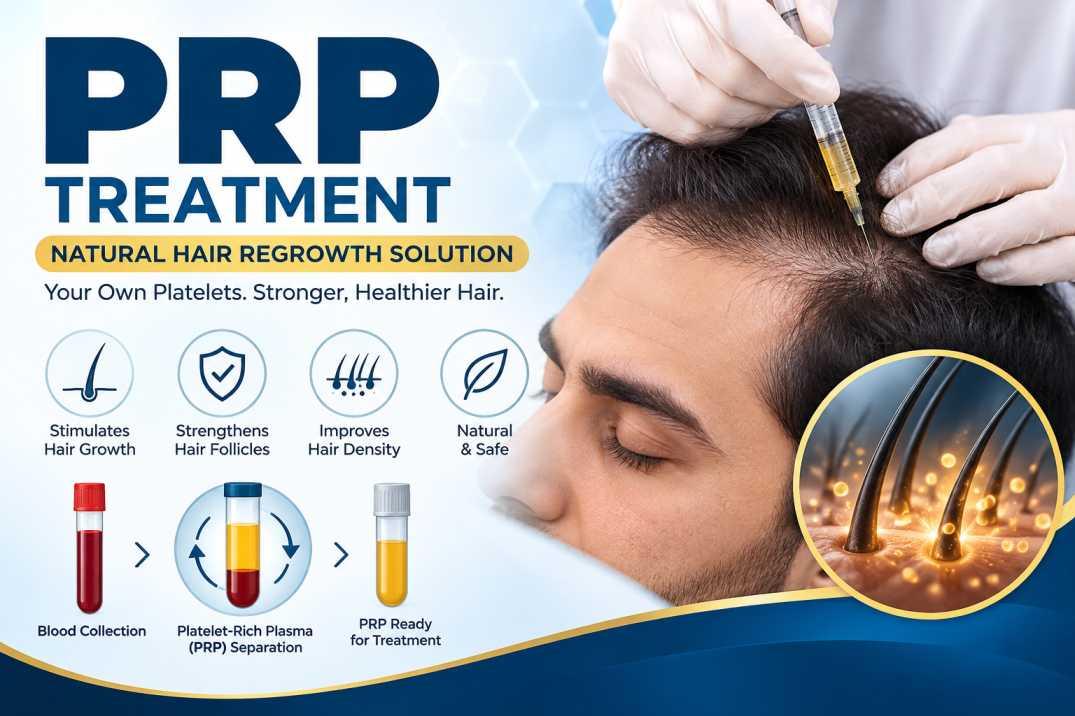
PRP treatment has become a popular option for people exploring non-surgical approaches to hair restoration, skin rejuvenation, and certain musculoskeletal conditions. It uses components of a person's own blood to prepare a concentrated solution containing platelets, which release growth factors involved in the body's natural healing processes.
Many people consider PRP treatment because it uses their own blood and typically involves a minimally invasive procedure. However, the potential benefits depend on the condition being treated, the treatment protocol, and individual health factors. Understanding how the procedure works, its possible advantages, and its limitations can help you decide whether it is suitable for your needs.
What Is PRP Treatment?
PRP stands for platelet-rich plasma. It is a preparation made by collecting a small sample of blood and processing it to concentrate platelets in the plasma.
Platelets are blood components best known for their role in clotting. They also release growth factors and signaling proteins that participate in tissue repair and healing.
During PRP treatment, a healthcare professional prepares the platelet-rich plasma and administers it to the targeted area. Depending on the intended use, it may be injected into the scalp, skin, or a joint, or applied as part of a skin procedure.
PRP treatment is used in several medical and aesthetic settings, although the strength of evidence varies by application. It should not be considered a guaranteed solution for hair loss, aging skin, or chronic pain.
How Does PRP Treatment Work?
The process begins with drawing blood from the patient. The sample is placed in a specialized centrifuge, which spins the blood to separate its components according to their physical properties.
The healthcare professional collects the platelet-rich portion and prepares it for the intended procedure. When administered to the treatment area, platelets release growth factors that participate in cell signaling, tissue repair, and other biological processes.
For hair restoration, PRP may help support hair follicle activity and improve hair density in some people with certain types of hair loss. For skin procedures, it may support tissue repair and contribute to improvements in skin texture and appearance.
The results are not the same for everyone. The underlying condition, the preparation method, the number of sessions, and the individual's response can all influence treatment outcomes.
Key Benefits of PRP Treatment
PRP treatment offers several potential advantages when used for appropriate conditions.
1. Uses Your Own Blood
One of the main characteristics of PRP treatment is that it uses blood collected from the patient. This reduces concerns associated with introducing donor-derived plasma, although it does not eliminate every possible risk, including infection or injection-related complications.
2. Minimally Invasive Procedure
PRP treatment generally involves a blood draw and injections or application to the targeted area. It usually does not require major surgery or a lengthy hospital stay.
Most patients can return to routine activities relatively quickly, depending on the treatment area and the healthcare professional's instructions.
3. Potential Support for Hair Growth
PRP treatment is used for certain types of hair thinning, particularly androgenetic alopecia, also known as pattern hair loss. Some studies suggest that it may improve hair density in selected patients.
However, the response varies, and PRP may not work equally well for all causes of hair loss. A proper diagnosis is important before starting treatment.
4. Support for Skin Rejuvenation
PRP is also used in selected skin procedures to support tissue repair and improve the appearance of skin texture. Some people seek it for concerns such as fine lines, uneven texture, or the appearance of aging skin.
The degree of improvement depends on the technique used and the individual's skin condition. Evidence for cosmetic skin benefits is variable, so realistic expectations are important.
5. Potential Benefits for Certain Musculoskeletal Conditions
Healthcare professionals may use PRP injections for selected tendon, ligament, and joint conditions. Research findings vary according to the specific condition, and PRP is not equally effective for every injury or source of pain.
A medical assessment can help determine whether PRP is appropriate or whether another treatment is better supported by evidence.
What Conditions Can PRP Treatment Address?
PRP treatment is used in different clinical settings, including:
-
Hair loss: Certain types of pattern hair loss and hair thinning.
-
Skin rejuvenation: Selected cosmetic procedures intended to improve skin texture and appearance.
-
Tendon injuries: Some persistent tendon conditions, depending on the diagnosis.
-
Joint pain: Certain musculoskeletal conditions, including selected cases of knee osteoarthritis.
-
Tissue repair: Specific applications where a healthcare professional considers platelet-rich plasma appropriate.
Not every application has the same level of scientific support. A qualified healthcare professional can explain the evidence relevant to your condition and discuss alternatives.
Step-by-Step PRP Treatment Procedure
Understanding the procedure can help reduce uncertainty before your appointment.
Step 1: Initial Consultation
The process begins with a consultation to review your medical history, current symptoms, medications, and treatment goals. The healthcare professional examines the target area and determines whether PRP treatment may be suitable.
For hair loss, the assessment may include identifying the type and cause of thinning. For joint or tendon problems, the clinician evaluates the diagnosis and available treatment options.
Step 2: Blood Collection
A small amount of blood is collected from a vein in your arm using standard blood-drawing equipment. The amount depends on the preparation system and the intended treatment.
Step 3: Blood Processing
The collected sample is placed in a centrifuge to separate its components. The platelet-rich plasma is then prepared according to the clinical protocol.
Proper handling, sterile equipment, and appropriate preparation procedures are essential for patient safety.
Step 4: Preparation of the Treatment Area
The healthcare professional cleans the targeted area. Depending on the procedure, a topical numbing cream or local anesthetic may be used to reduce discomfort.
Step 5: PRP Application or Injection
The prepared plasma is administered to the selected area using an appropriate technique. For hair restoration, injections are generally distributed across the scalp's targeted regions. Other applications may involve injections into a joint or tendon or use alongside a skin procedure.
The method depends on the condition being treated and the clinician's assessment.
Step 6: Aftercare Instructions
After treatment, you receive instructions regarding activity, skin care, washing the scalp, and medication use, as appropriate. Following these instructions can help support recovery and reduce the risk of complications.
What to Expect After PRP Treatment
Recovery varies according to the treatment area and technique. Mild tenderness, swelling, redness, bruising, or temporary discomfort may occur around the treated area.
For scalp treatments, the injection sites may feel tender for a short period. For skin procedures, redness and sensitivity may last longer, particularly when PRP is combined with microneedling.
Many people resume routine activities the same day or shortly afterward, but this depends on the procedure and individual response. Follow your healthcare professional's advice rather than assuming that every PRP procedure has the same recovery time.
Contact a healthcare professional promptly if you develop worsening pain, spreading redness, significant swelling, fever, or other signs of possible infection.
How Many PRP Treatment Sessions Are Needed?
The number of sessions depends on the condition being treated, the treatment protocol, and your response.
For hair restoration, an initial course may involve several sessions spaced weeks apart, followed by reassessment and possible maintenance treatments. Skin and musculoskeletal applications may follow different schedules.
There is no single schedule that suits everyone. Your healthcare professional should explain the expected treatment course, when progress will be reviewed, and whether maintenance sessions may be appropriate.
Possible Side Effects and Risks
PRP treatment is generally considered minimally invasive, but it is not completely risk-free. Possible side effects include:
-
Temporary pain or tenderness at the injection site.
-
Redness, swelling, or bruising.
-
Bleeding or irritation around the treated area.
-
Infection related to the procedure.
-
Injury to nearby tissues or structures, depending on the injection site.
-
Temporary worsening of discomfort after some musculoskeletal injections.
Because PRP is prepared from your own blood, allergic reactions to the plasma itself are less of a concern than with some other injected substances. However, numbing agents, antiseptics, or other products used during the procedure can cause reactions.
People with certain blood disorders, low platelet counts, active infections, or other medical conditions may not be suitable candidates. Tell your healthcare professional about all medications and supplements you take. Do not stop prescribed medication without medical advice.
Who Is a Suitable Candidate for PRP Treatment?
A suitable candidate is someone whose condition may respond to PRP and whose medical history allows the procedure to be performed safely.
For hair restoration, a person with early pattern hair loss may be considered after an appropriate diagnosis. For joint or tendon conditions, suitability depends on the specific injury, its severity, previous treatments, and available evidence.
PRP may not be appropriate for every type of hair loss, severe tissue damage, or every chronic pain condition. A consultation helps establish realistic goals and determine whether another treatment may offer greater benefit.
Conclusion
PRP treatment is a minimally invasive procedure that uses platelet-rich plasma prepared from a person's own blood. It has potential applications in hair restoration, selected skin procedures, and certain musculoskeletal conditions.
Its benefits and effectiveness vary depending on the condition being treated, the treatment method, and individual health factors. Possible side effects, costs, session requirements, and alternative options should all be considered before proceeding.
If you are considering PRP treatment, consult a qualified healthcare professional who can assess your condition, explain the evidence, and develop an appropriate treatment plan. Making an informed decision is the best way to approach the procedure with realistic expectations.

 English
 Arabic
 Spanish
 Portuguese
 Deutsch
 Turkish
 Dutch
Dutch
 Italiano
 Russian
 Romaian
 Portuguese (Brazil)
 Greek
Greek
 Bengali