


High-Demand Cardiology Supplies: Sourcing Strategy for Growing Healthcare Networks
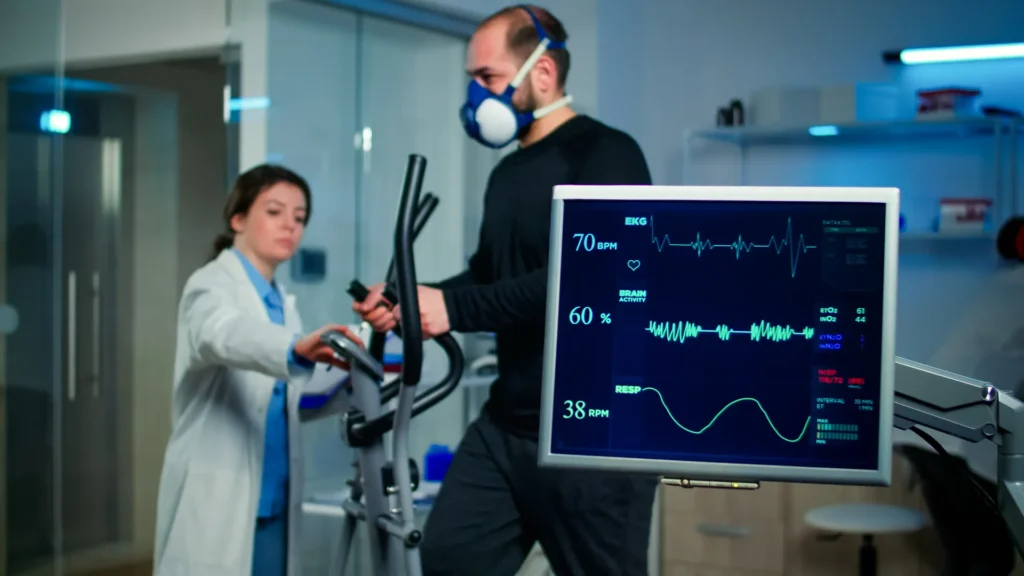
As healthcare networks expand, maintaining consistent access to essential cardiac diagnostic equipment becomes increasingly important. Hospitals, clinics, and diagnostic centres need dependable supplies to support cardiovascular screening, patient monitoring, and emergency response. For procurement teams, the challenge is balancing affordability with product quality, availability, and long-term operational needs.
Choosing a reliable medical equipment supplier in Ghana can help healthcare organisations coordinate purchasing and reduce avoidable supply disruptions. A well-planned sourcing strategy also enables growing networks to standardise equipment, manage inventory more effectively, and respond to changing clinical demand.
1. Identify High-Demand Cardiology Supplies
The first step in effective procurement is understanding which products healthcare facilities use most frequently. Common requirements include electrocardiogram (ECG) machines, electrodes, patient cables, ECG paper, cardiac monitors, blood pressure devices, and compatible accessories.
Emergency departments may also need defibrillators and replacement pads, while specialised facilities may require echocardiography equipment and related components. Demand varies according to patient volumes, clinical services, and the equipment already available at each location.
Procurement teams should review historical consumption, upcoming service expansions, and stockout records before setting purchasing targets. For example, a network operating several outpatient clinics may prioritise recurring ECG consumables, whereas a cardiac centre may need a broader range of diagnostic equipment.
Understanding these differences helps buyers avoid overstocking slow-moving items while protecting the availability of essential supplies.
2. Choose a Reliable Medical Equipment Supplier in Ghana
Supplier selection influences product quality, purchasing efficiency, and continuity of care. Healthcare organisations should assess product documentation, manufacturer information, warranty conditions, delivery capabilities, and compliance with applicable Ghana Food and Drugs Authority requirements.
A dependable medical equipment supplier should provide clear specifications and help buyers confirm that products are suitable for their intended applications. Compatibility is particularly important when purchasing electrodes, monitoring sensors, patient cables, and replacement components for existing devices.
SRG Medical Equipment and Supplies is one business healthcare procurement teams may consider when researching suppliers in Ghana. As with any potential provider, buyers should compare verifiable product information, available stock, and service arrangements against their network's specific requirements.
3. Build a Smarter Wholesale Procurement Strategy
Purchasing cardiology supplies wholesale can simplify recurring orders and may reduce unit costs when quantities are carefully planned. However, bulk purchasing is not automatically economical. Excess inventory can tie up capital, occupy storage space, and create expiry risks for products with limited shelf lives.
A more effective approach combines demand forecasting with minimum and maximum stock levels. Facilities can classify supplies according to clinical importance, usage frequency, and replenishment lead time. Critical items deserve closer monitoring, while frequently used consumables may benefit from scheduled reorder points.
Centralised procurement can also help multi-site healthcare networks negotiate consistent purchasing terms and standardise approved products. Nevertheless, central purchasing decisions should account for differences in equipment models and clinical requirements across locations.
4. Prioritise Quality, Logistics, and Supplier Relationships
Reliable sourcing involves more than placing an order. Procurement teams should confirm realistic delivery dates, storage requirements, product traceability, and procedures for addressing damaged or incorrect shipments.
For equipment purchases, total ownership costs deserve attention. Maintenance, compatible consumables, staff training, warranties, and potential downtime can affect the real cost of a device throughout its working life.
Regular communication with suppliers can improve demand planning and help facilities anticipate shortages. Healthcare networks researching providers such as SRG Medical Equipment and Supplies should clarify replenishment arrangements, after-sales support, and the process for resolving supply issues before committing to long-term purchasing agreements.
Periodic supplier reviews can reveal recurring delays, quality concerns, or opportunities to improve procurement efficiency. These reviews also help organisations adapt sourcing plans as their services grow.
Conclusion: Preparing for Sustainable Healthcare Growth
Meeting demand for high-use cardiology products requires accurate forecasting, careful supplier evaluation, and disciplined inventory management. For healthcare networks seeking a medical equipment supplier in Ghana, prioritising product quality, compatibility, delivery reliability, and transparent purchasing terms can support more consistent clinical operations.
Start by reviewing current consumption, identifying critical supplies, and comparing suitable wholesale providers. With a structured sourcing strategy and dependable supplier relationships, growing healthcare networks can make informed investments that support clinical teams and strengthen the continuity of cardiac care.

 English
 Arabic
 French
 Spanish
 Portuguese
 Deutsch
 Turkish
 Dutch
Dutch
 Italiano
 Romaian
 Portuguese (Brazil)
 Greek
Greek
 Bengali