


Botox vs Chemical Peels: Understanding the Differences
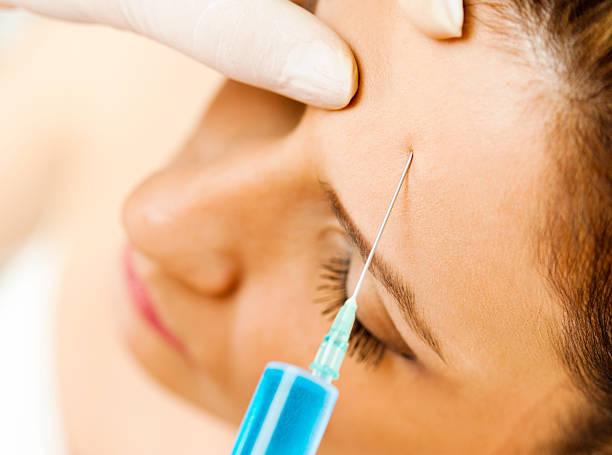
Choosing the right cosmetic treatment can make a difference when you want smoother, healthier-looking skin. Botox and chemical peels are two popular aesthetic procedures, but they address different concerns and work through different mechanisms. Botox injections in Riyadh (حقن البوتوكس في الرياض) are commonly used to soften expression lines caused by repeated facial muscle movements, while chemical peels improve the skin's surface by removing controlled layers of damaged cells. Understanding how these treatments work, what they can improve, and what results to expect can help you make a more informed decision about your skincare goals.
Although both treatments may contribute to a refreshed appearance, they are not interchangeable. Botox injections in Riyadh may be suitable for people concerned about forehead lines, frown lines, and crow's feet, whereas chemical peels may help address uneven skin tone, dullness, certain acne-related concerns, and rough texture. The best option depends on your skin condition, facial anatomy, medical history, and desired results. In some cases, a qualified practitioner may recommend both treatments as part of a personalized aesthetic plan.
What Is Botox?
Botox is a brand of botulinum toxin type A used in cosmetic medicine to temporarily reduce activity in selected facial muscles. Repeated muscle contractions can create dynamic wrinkles, particularly around the forehead, between the eyebrows, and near the outer corners of the eyes.
How Botox Works
Botox temporarily blocks the release of acetylcholine, a chemical messenger that signals muscles to contract. When the targeted muscles become less active, certain expression lines may appear softer. The treatment is administered through small injections by a qualified healthcare professional who selects the appropriate injection sites and dosage based on facial anatomy.
Common Uses of Botox
Botox is commonly used to soften forehead lines, frown lines, and crow's feet. Depending on clinical suitability and practitioner expertise, it may also be used for selected concerns such as a gummy smile or enlarged masseter muscles. However, Botox does not directly exfoliate the skin, remove pigmentation, or treat acne scars.
What Are Chemical Peels?
Chemical peels are skin treatments that use carefully selected chemical solutions to exfoliate the skin. Depending on the type and strength of the peel, the treatment removes surface cells or produces a controlled injury that encourages skin renewal. The aim is to improve selected concerns involving skin texture, tone, and surface appearance.
How Chemical Peels Work
Chemical peels commonly use ingredients such as alpha hydroxy acids, beta hydroxy acids, or other peeling agents. These solutions help loosen the bonds between skin cells, encouraging exfoliation and renewal. The depth of treatment depends on the product, concentration, application technique, and skin condition.
Common Uses of Chemical Peels
Chemical peels may help improve dull skin, uneven pigmentation, selected acne concerns, superficial acne marks, and fine lines. Different peels suit different skin conditions, and deeper treatments carry greater risks and require more careful recovery. A professional assessment helps determine which peel, if any, is appropriate for your skin type.
Botox vs Chemical Peels: What Are the Main Differences?
Both treatments can improve aspects of facial appearance, but they work in different ways.
Treatment Goals
Botox primarily targets dynamic wrinkles caused by muscle movement. Chemical peels focus on the skin's surface and renewal process, making them more relevant to concerns such as rough texture, uneven tone, and selected forms of pigmentation. Identifying the cause of your concern is essential when choosing between them.
Treatment Method
Botox is administered through injections into specific muscles. A chemical peel involves applying a chemical solution to the skin for a controlled period before removing or neutralizing it according to the product's instructions. Neither treatment should be performed without appropriate training and a clear understanding of its risks.
Onset of Results
Botox usually begins to show effects within several days, with the full result commonly visible within about 10–14 days. Chemical peel results depend on the peel's depth and the skin concern being treated. Some people notice a brighter appearance after healing from a superficial peel, while improvements in pigmentation or texture may require a series of treatments.
Recovery Time
Botox generally involves minimal downtime, although temporary redness, swelling, or bruising may occur. Chemical peel recovery varies: superficial peels may cause mild redness or flaking, while medium-depth peels can involve more noticeable peeling, sensitivity, and several days of recovery. Deeper peels require more extensive aftercare and medical supervision.
Duration of Results
Botox results commonly last around three to four months, although the duration varies between individuals and treatment areas. Chemical peel results depend on the type of peel, skin condition, sun exposure, and ongoing skincare. Maintenance treatments may be recommended, but excessive or overly frequent peeling can damage the skin barrier.
Which Treatment Is Better for Your Skin Concerns?
The most suitable option depends on what you want to improve.
For Forehead Lines and Crow's Feet
If your wrinkles become more noticeable when you frown, smile, or raise your eyebrows, Botox may be more suitable because these lines are linked to muscle movement. Chemical peels may improve the appearance of certain fine lines related to skin texture, but they do not produce the same muscle-relaxing effect.
For Acne and Uneven Skin Tone
Chemical peels may help with selected acne-related concerns, clogged pores, and uneven pigmentation. The appropriate peel depends on the type of acne, the presence of active inflammation, and your skin tone. Botox is not a primary treatment for acne or pigmentation.
For Dullness and Rough Texture
A suitable chemical peel may improve surface smoothness and help the skin appear brighter after recovery. Botox does not directly exfoliate the skin or improve rough texture, although it may soften expression lines in treated areas.
For a More Comprehensive Facial Refresh
Some people have both expression wrinkles and skin-quality concerns. A practitioner may recommend Botox for selected dynamic wrinkles and a chemical peel for appropriate surface concerns. Treatments may need to be scheduled separately to protect the skin and allow recovery, especially when the peel is more intensive.
Are Botox and Chemical Peels Safe?
Both procedures can be appropriate when performed on suitable candidates by qualified professionals, but each has potential risks.
Potential Side Effects of Botox
Possible side effects include bruising, redness, tenderness, headache, temporary muscle weakness, eyelid drooping, or facial asymmetry. Rarely, serious symptoms such as difficulty swallowing, speaking, or breathing can occur and require urgent medical attention.
Potential Side Effects of Chemical Peels
Chemical peels can cause redness, stinging, peeling, dryness, and temporary sensitivity. Depending on the depth and skin type, risks may include burns, infection, scarring, or changes in pigmentation. People with darker skin tones or a history of post-inflammatory hyperpigmentation need careful treatment selection to reduce the risk of uneven discoloration.
Tell your provider about your medical history, medications, allergies, skin conditions, and previous cosmetic procedures. Follow all preparation and aftercare instructions, including sun protection. Do not pick or pull peeling skin, as this can increase the risk of irritation and scarring.
How to Choose the Right Treatment in Riyadh
If you are considering Botox injections in Riyadh, start with a consultation to identify the main concern you want to address. A qualified practitioner can assess whether your wrinkles are related to muscle movement or whether skin texture, pigmentation, or acne-related changes may respond better to a chemical peel.
Ask about the expected benefits, treatment depth, recovery time, possible side effects, and alternative options. The right treatment should reflect your skin type, medical history, and personal goals rather than popularity alone. A personalized plan may include Botox, a chemical peel, a suitable skincare routine, or a carefully timed combination of treatments.
Book Your Consultation at Royal Clinic Saudia
If you are unsure whether Botox or a chemical peel is right for your concerns, Royal Clinic Saudia (عيادات رويال كلينك) can help you explore suitable aesthetic options. Arrange a consultation to discuss your goals, understand the differences between treatments, and receive professional guidance tailored to your skin and facial features.
FAQs:
Is Botox better than a chemical peel?
Neither treatment is universally better. Botox is generally more effective for dynamic wrinkles caused by muscle movement, while chemical peels may help improve selected concerns involving skin texture, dullness, acne, and pigmentation.
Can Botox and chemical peels be used together?
Yes, they may be part of the same overall treatment plan when a qualified practitioner determines that both are appropriate. The timing depends on the type of peel, skin recovery, and individual treatment goals.
Which treatment has less downtime?
Botox usually has minimal downtime. Superficial chemical peels may require little recovery, while medium-depth or deeper peels can involve more significant peeling and healing time.
How do I know which treatment is right for me?
A professional consultation can help identify whether your concerns are caused mainly by muscle movement or skin-surface changes. Your practitioner can then explain the potential benefits, risks, and suitability of each treatment.

 English
 Arabic
 French
 Spanish
 Portuguese
 Deutsch
 Turkish
 Dutch
Dutch
 Italiano
 Russian
 Portuguese (Brazil)
 Greek
Greek
 Bengali