


How Commercial Biogas Plants Help Businesses Turn Organic Waste into Valuable Resources
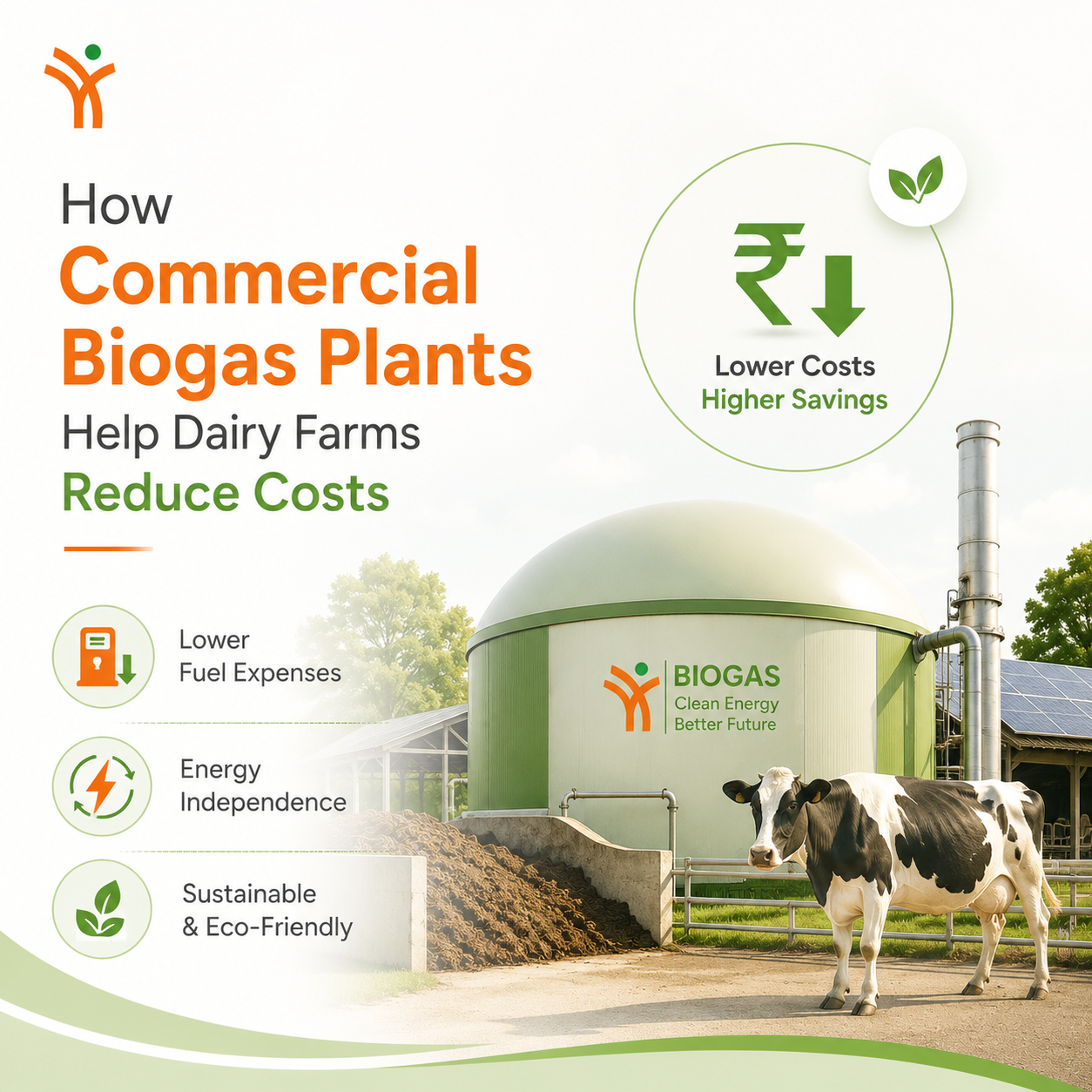
Businesses that generate organic waste every day often spend time and money managing its disposal. However, this waste can become a useful resource when processed with the right technology. A commercial biogas plant allows businesses to convert suitable organic materials into renewable energy while improving waste management practices. From food processing facilities to large farms, this technology offers an opportunity to recover energy, reduce waste, and make better use of available resources.
Introduction: Turning Business Waste into an Opportunity
Organic waste is a regular part of operations in many commercial and industrial sectors. Food leftovers, animal manure, and agricultural residues can create disposal challenges when they are not managed properly. Instead of treating these materials only as waste, businesses can explore ways to recover their energy value.
Biogas technology uses anaerobic digestion, a process in which microorganisms break down biodegradable materials without oxygen. This process produces biogas, which can be used for suitable heating applications or electricity generation with the appropriate equipment.
For businesses looking to improve resource efficiency, a commercial biogas plant can become part of a broader strategy for renewable energy production and responsible waste management.
How to Plan and Develop a Commercial Biogas Project
A successful biogas project starts with understanding the business's requirements. The following stages help turn an initial idea into an operational system.
Waste Availability and Evaluation: The first step is to examine the organic waste generated by the business. Its daily quantity, composition, moisture content, and seasonal availability help determine whether it is suitable for anaerobic digestion.
Choosing the Right Technology: Different businesses produce different types of waste. Engineers assess the feedstock and select an appropriate treatment process, digester design, and supporting equipment according to the project's needs.
Site Preparation and Infrastructure: The selected site must provide adequate space for waste handling, digestion, gas storage, equipment access, and digestate management. Proper planning also considers drainage, safety, and future maintenance requirements.
Energy Recovery and Gas Handling: Once the system begins producing biogas, the gas is collected and directed towards its intended application. Depending on the project, this may involve heating equipment, boilers, or generators. Gas treatment requirements depend on the quality and final use of the biogas.
Operational Checks and Regular Monitoring: Before commercial operation, the plant undergoes testing and commissioning. After startup, operators monitor gas production, feedstock input, temperature, equipment performance, and safety conditions to maintain stable operation.
Careful planning at these stages helps businesses select a system that matches their waste generation and practical operating requirements.
Commercial Biogas Plant Cost and Financial Planning
The investment required for a commercial biogas project depends on the scale of operations and the technology selected. A small facility handling a limited amount of organic waste will have different requirements from a large industrial plant with advanced gas treatment and energy generation equipment.
When estimating the commercial biogas plant installation cost, businesses should consider more than the main plant structure. Waste collection, feed preparation, civil construction, machinery, gas storage, electrical connections, and ongoing maintenance can all affect the overall budget.
Before proceeding, businesses should evaluate the following financial factors:
-
Initial investment: Construction, machinery, installation, and supporting infrastructure.
-
Operating expenses: Labour, electricity, routine maintenance, and feedstock handling.
-
Energy savings: The potential reduction in purchased fuel or electricity.
-
Waste management savings: Possible reductions in transportation and disposal expenses.
-
By-product utilization: Potential value from digestate, depending on its quality and permitted use.
A detailed feasibility study can help estimate the payback period based on realistic gas production, operating costs, and expected energy savings.
Major Business Advantages of Commercial Biogas Technology
A commercial biogas project can deliver several benefits when it is designed around the business's actual needs.
Better Control Over Waste Disposal: Processing suitable organic waste can reduce the volume requiring conventional disposal. It also encourages better waste segregation and more organized waste handling.
An Additional Source of Energy: Biogas can support selected energy requirements and reduce reliance on conventional fuels. The actual contribution depends on the quantity of gas produced and the equipment used.
Improved Use of Organic Materials: Instead of discarding all biodegradable waste, businesses can recover energy from it. This approach supports more efficient use of resources throughout the production cycle.
Potential Agricultural Applications: The digestion process produces a residual material known as digestate. After appropriate treatment and quality checks, it may be suitable for certain agricultural uses.
Support for Sustainability Goals: Businesses can include properly managed biogas projects in their wider environmental initiatives. Measuring waste diverted, energy generated, and emissions-related outcomes helps demonstrate actual progress.
Long-Term Operational Opportunities: Facilities with a reliable supply of organic waste may benefit from integrating waste processing and energy recovery into their daily operations.
These advantages make biogas technology worth evaluating for businesses that want to manage organic waste more efficiently while exploring renewable energy options.
Which Industries Can Use Commercial Biogas Technology?
The suitability of a biogas plant depends largely on the type and quantity of biodegradable material available. Several industries may be able to benefit from this approach.
-
Food manufacturing: Organic leftovers and biodegradable processing residues.
-
Dairy operations: Cattle manure and other suitable farm waste.
-
Poultry businesses: Poultry manure and litter, with appropriate treatment and system design.
-
Hotels and catering facilities: Segregated kitchen waste and food preparation residues.
-
Agricultural businesses: Crop residues and other suitable biodegradable materials.
-
Sugar and food processing industries: Organic by-products generated during production.
-
Distilleries and other industrial facilities: Suitable biodegradable process streams, depending on their characteristics.
-
Wholesale markets and institutions: Fruit, vegetable, and food waste collected through effective segregation.
Before installing a plant, businesses should confirm that sufficient suitable feedstock is available and that the proposed process can handle its characteristics safely and efficiently.
Conclusion
Commercial biogas technology offers businesses a way to look at organic waste differently. Rather than considering it only a disposal problem, companies can explore its potential for energy recovery and improved resource management.
A well-planned commercial biogas plant can support waste reduction, provide a supplementary energy source, and contribute to sustainability goals. However, its success depends on suitable feedstock, technical planning, operational discipline, and a realistic financial assessment.
Businesses interested in adopting this technology should begin by reviewing their daily waste generation, energy requirements, and available site infrastructure. This provides a practical foundation for deciding whether a biogas project is suitable for their operations.
Frequently Asked Questions
1. How does a commercial biogas plant create value from waste?
It processes suitable biodegradable materials through anaerobic digestion to produce biogas. The gas can be used for selected energy applications, while the remaining digestate may have further uses after appropriate treatment.
2. What factors influence the cost of a commercial biogas plant?
Plant capacity, feedstock type, site conditions, equipment selection, gas treatment, storage, and energy utilization requirements all influence the total investment.
3. Can a commercial biogas plant operate using food waste alone?
Some plants can process food waste as their primary feedstock. However, the system must be designed according to the waste's composition, moisture content, contamination level, and consistency of supply.
4. Can biogas be used to generate electricity for a business?
Yes. Biogas can fuel a suitable generator to produce electricity. The amount generated depends on gas quality, production volume, and generator efficiency.
5. Is a commercial biogas plant suitable for every business?
Not necessarily. Businesses need an adequate and reliable supply of suitable organic waste, sufficient space, appropriate infrastructure, and a viable plan for using the gas and managing digestate.
Domestic Biogas , Commercial Biogas , BioGas , Sewage Water Treatment Plant , Effluent Water Treatment Plant , Zero Liquid Discharge Water Treatment Plant

 English
 Arabic
 French
 Portuguese
 Deutsch
 Turkish
 Dutch
Dutch
 Italiano
 Russian
 Romaian
 Portuguese (Brazil)
 Greek
Greek
 Bengali