


How to Choose Kitchen Towels That Combine Everyday Functionality and Style
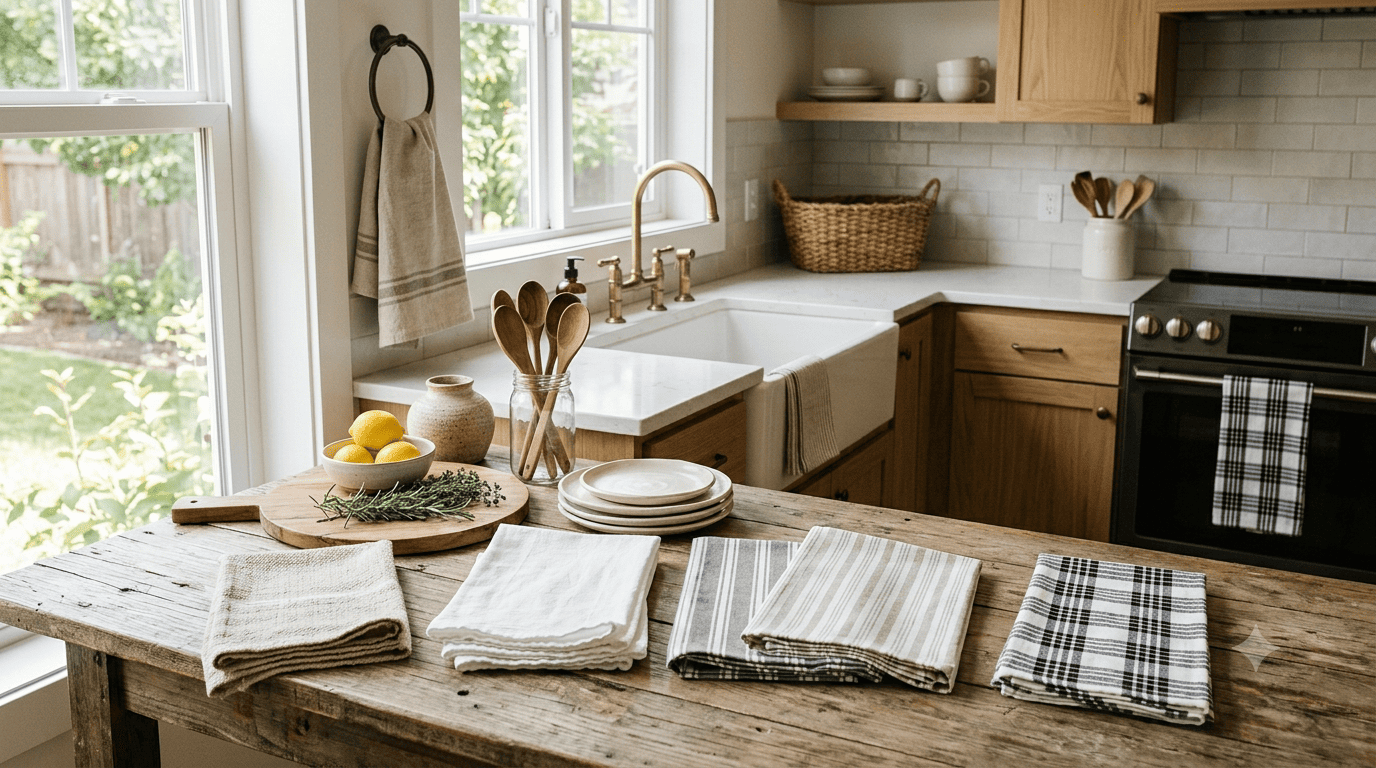
The kitchen is one of the busiest areas in any home, making practical and reliable textiles essential for everyday tasks. From drying dishes and wiping countertops to handling small spills and keeping cooking spaces organized, kitchen towels provide convenience while adding a decorative touch. Choosing the right towels involves considering fabric quality, absorbency, durability, ease of maintenance, and design.
A well-selected Linen Tea Towel can bring a natural texture to the kitchen while helping with everyday drying tasks. Similarly, cotton towels offer versatility, softness, and practical performance for a variety of household needs. With numerous materials, patterns, and sizes available, understanding the differences between kitchen textiles makes it easier to create a functional and attractive cooking space.
Understanding the Importance of Quality Kitchen Textiles
Kitchen towels may seem like simple household accessories, but their quality can influence daily cleaning routines and overall kitchen organization. Towels made from suitable materials can help absorb moisture, dry dishes efficiently, and simplify routine cleanup.
Choosing the Right Fabric
Cotton and linen are popular materials for kitchen textiles because of their practical characteristics. Cotton is generally soft, versatile, and comfortable to handle. Depending on its weave and thickness, it can absorb moisture effectively and withstand frequent washing.
Linen, made from flax fibers, is valued for its distinctive texture, lightweight feel, and ability to become softer with use. Its structure can make it useful for drying glassware and polishing certain kitchen items without leaving excessive lint, depending on the fabric construction and finish.
When choosing kitchen towels, consider how they will be used. A towel intended for drying hands may require a different texture from one used for polishing glassware or drying freshly washed dishes.
Balancing Absorbency and Durability
Absorbency is an important factor when selecting kitchen towels. Towels that absorb moisture effectively can make dishwashing and surface cleanup more convenient. However, absorbency alone does not determine quality.
The weave, fabric thickness, finishing, and construction also influence performance. A lightweight towel may dry relatively quickly, while a thicker towel may hold more moisture but take longer to dry.
Durability matters just as much. Since kitchen towels are washed frequently, choosing well-constructed textiles and following appropriate care instructions can help maintain their usefulness over time.
Exploring Different Styles for Everyday Kitchen Tasks
Different kitchen towel styles serve different purposes. Understanding their characteristics helps households choose suitable options for cooking, cleaning, and decorating.
Lightweight Options for Versatile Household Use
Flour Sack Dish Towels are popular for their lightweight construction and relatively smooth texture. Traditionally associated with flour sack fabric, these towels are commonly made from cotton and are useful for several kitchen activities.
Their practical applications include drying dishes, wiping counters, covering rising dough when the fabric is clean and appropriate for food contact, and drying produce after washing. Their lightweight construction can also make them convenient for folding, storing, and carrying between work areas.
When purchasing these towels, pay attention to the fabric composition and weave. A tightly woven cotton towel may work well for polishing glassware, while a more absorbent construction may be preferable for routine cleanup.
For the best results, wash new towels according to the manufacturer's instructions before using them. This can help remove manufacturing residues and prepare the fabric for everyday use.
Decorative Patterns That Complement Kitchen Interiors
Kitchen towels can also contribute to the overall appearance of a cooking space. Coordinating colors and patterns with cabinets, countertops, curtains, and table linens creates a more cohesive interior.
Striped Tea Towels are a versatile choice for kitchens with traditional, contemporary, farmhouse, or minimalist designs. Their linear patterns introduce visual interest without necessarily overwhelming the surrounding décor.
Neutral stripes in white, beige, gray, or natural linen tones can complement understated interiors. Alternatively, colored stripes can introduce a subtle accent to a predominantly neutral kitchen.
Beyond appearance, consider the towel's size and construction. A generously sized towel may be useful for drying larger dishes, while a smaller design may work well near the sink for quick tasks.
Classic Patterns for a Warm and Inviting Kitchen
Plaid Kitchen Towels can bring a familiar, timeless look to kitchen spaces. Their intersecting lines and contrasting colors work particularly well in farmhouse-inspired interiors, rustic kitchens, and homes with traditional décor.
Black-and-white checks create a classic appearance, while softer combinations of cream, green, blue, or red can introduce warmth and character.
These towels can be displayed on oven handles, folded beside the sink, or arranged in an open shelf with coordinating kitchen accessories. However, their practical value should remain a priority. Choose patterns and fabrics that suit your cleaning needs rather than selecting towels based on appearance alone.
How to Match Kitchen Towels to Your Daily Routine
Selecting towels according to their intended purpose can make everyday household tasks easier.
Keep Different Towels for Different Tasks
Using separate towels for specific activities can support better kitchen hygiene. For example, designate individual towels for drying clean dishes, wiping hands, and cleaning countertops.
Avoid using a towel that has handled raw meat juices or other potentially contaminated substances for unrelated kitchen tasks. Replace damp or heavily soiled towels promptly, and wash reusable textiles regularly.
It is also helpful to keep clean towels within easy reach without storing them where they may come into contact with splashes, food waste, or cleaning chemicals.
Consider Your Kitchen's Storage Space
Storage is another practical consideration. If your kitchen has limited cabinet space, lightweight towels that fold compactly may be convenient.
For households that cook frequently, maintaining a rotation of clean towels can help ensure that fresh textiles are available while used ones are being washed. Open shelves, drawers, baskets, and hooks can all provide storage, depending on the kitchen layout.
Choose a manageable collection rather than accumulating too many towels that are rarely used. A few carefully selected styles can cover most household requirements.
Practical Tips for Maintaining Kitchen Towels
Proper care can help preserve the appearance, absorbency, and usefulness of kitchen textiles.
Follow Fabric-Specific Washing Instructions
Always check the care label before washing kitchen towels. Cotton and linen may have different temperature, drying, and ironing recommendations depending on their construction and finishing.
Use an appropriate amount of detergent and avoid excessive fabric softener, which can leave residues that reduce absorbency in some textiles. Separate heavily soiled towels from other laundry when necessary.
For hygiene, wash towels used for food preparation or contaminated cleanup appropriately, using the hottest temperature permitted by the fabric care instructions.
Dry Towels Thoroughly Between Uses
Damp towels can develop unpleasant odors when left crumpled or stored in poorly ventilated areas. After use, hang towels where air can circulate freely and allow them to dry completely.
Replace towels when they become persistently stained, damaged, or difficult to clean effectively. Rotating several towels helps reduce repeated use of a single damp textile.
Preserve Colors and Fabric Quality
Wash patterned towels with similar colors, particularly when they are new. Avoid harsh cleaning methods unless recommended for the fabric, and follow the manufacturer's guidance when treating stains.
Natural wrinkles are common in linen, while cotton may shrink if exposed to unsuitable washing or drying conditions. Proper care helps maintain the fabric's texture and fit while extending its useful life.
Making Kitchen Textiles Part of a Sustainable Home
Reusable kitchen towels can be a practical alternative to disposable paper products for many routine cleaning and drying tasks. Their usefulness, however, depends on regular washing, suitable maintenance, and replacing them when necessary.
To make thoughtful purchasing decisions, consider fabric composition, construction quality, durability, and intended use. Buying products that meet your household's actual needs can also help avoid unnecessary purchases.
Look for textiles that can serve multiple purposes without compromising hygiene. For example, a suitable cotton towel may work for drying dishes and wiping clean surfaces, while a lightweight linen option may be preferred for particular drying or polishing tasks.
It is equally important to recognize that sustainability depends on more than the material alone. Manufacturing, transportation, product lifespan, washing habits, and disposal all influence a textile's overall environmental impact. Choosing durable products and caring for them properly are sensible steps toward reducing unnecessary household waste.
Conclusion
Choosing kitchen towels involves more than finding attractive colors and patterns. Fabric quality, absorbency, durability, drying performance, and maintenance requirements all influence how well a towel performs in everyday use. By understanding the differences between cotton and linen textiles and selecting suitable styles for specific tasks, households can create a kitchen that is both practical and visually appealing.
Whether you prefer lightweight towels for versatile household tasks or patterned designs that complement your interior, prioritize products that suit your routine and are easy to maintain. For readers exploring cotton and linen home textiles, All Cotton and Linen offers a destination for discovering kitchen essentials and other fabric products that complement everyday living. Explore the collection at All Cotton and Linen to find options that suit your preferences and household needs.
Ultimately, the best kitchen towels are the ones that combine dependable everyday performance with a style you enjoy, helping keep your kitchen organized, comfortable, and welcoming.

 English
 French
 Spanish
 Portuguese
 Deutsch
 Turkish
 Dutch
Dutch
 Italiano
 Russian
 Romaian
 Portuguese (Brazil)
 Greek
Greek
 Bengali