


What Should Buyers Check When Sourcing Sunshine Other Ventilation Products
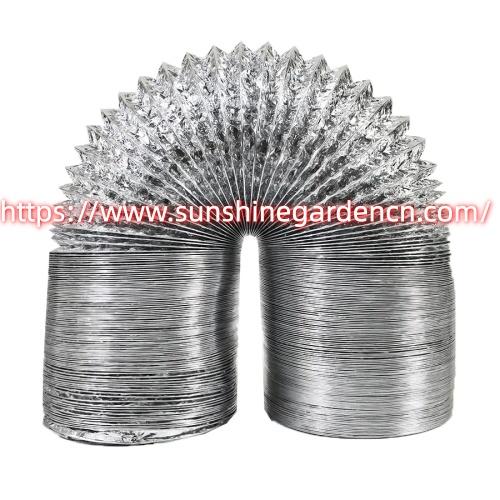
Other Ventilation solutions help businesses address different air movement requirements across commercial buildings, industrial facilities, workshops, and specialized indoor environments. Selecting suitable equipment requires more than checking a fan size or motor rating. Buyers need to consider the purpose of the installation, the volume of air that must move, the resistance within the system, and the conditions in which the equipment will operate. For manufacturers such as Sunshine, understanding these requirements helps guide customers toward practical product configurations for their projects.
Air movement serves several purposes depending on the application. Some facilities need to remove warm air generated by machinery, while others require fresh air circulation to support daily operations. Workshops may need localized extraction near specific work areas, whereas storage facilities can require broader air distribution. Identifying the intended function before purchasing equipment helps buyers compare suitable designs and avoid selecting products that do not match their actual requirements.
Airflow capacity is an important starting point. It describes the volume of air that equipment can move over a given period and is commonly expressed in cubic meters per hour or cubic feet per minute. However, the stated capacity alone does not always represent the performance available after installation. Duct length, bends, filters, grilles, and other components create resistance that affects delivered airflow. Buyers should review manufacturer performance data alongside the expected operating conditions when comparing different models.
The installation environment also influences equipment selection. A compact room may require a different configuration from a large production area with several connected workstations. Temperature, humidity, dust exposure, available mounting space, and operating schedules can all affect the choice of equipment. For projects with specific environmental requirements, buyers should communicate these details to the supplier before confirming the order. This allows the product selection process to reflect the intended application rather than relying on general assumptions.
Duct design deserves careful attention as well. Undersized ducts, unnecessary bends, and poorly secured connections can restrict airflow or introduce unwanted noise. A well planned layout considers the distance between equipment and the discharge point, the number of direction changes, and the space available for installation. Compatible connectors, mounting brackets, grilles, and adjustment components can help simplify assembly. Reviewing these details early may also reduce the need for modifications during installation.
Different operating conditions may call for different equipment designs. Axial fans are commonly considered for applications that require air movement through relatively direct paths, while centrifugal fans may be suitable where the system must overcome greater resistance. The appropriate choice depends on the required airflow, pressure conditions, duct arrangement, and product specifications. Buyers should compare published performance curves and installation guidance rather than choosing equipment by appearance or motor power alone.
Energy consumption and operating noise are other practical considerations. Equipment may run for extended periods in commercial or industrial settings, making power requirements relevant to ongoing operating costs. Noise levels can also influence where a unit should be installed and whether additional measures are needed. Comparing rated power, expected operating hours, sound information, and available speed controls can help purchasing teams evaluate products according to their priorities.
For distributors, contractors, and wholesale buyers, the purchasing process involves more than technical selection. Product dimensions, material options, electrical specifications, packaging, order quantities, and delivery schedules should be confirmed before production or shipment. Buyers developing private label products may also need to discuss labeling, packaging design, and configuration requirements. Clear communication about these details helps suppliers prepare appropriate quotations and gives both parties a shared understanding of the order.
Sunshine supports customers looking for ventilation equipment options by helping them review product information and consider the requirements of their intended applications. When contacting a manufacturer, buyers can prepare details such as installation dimensions, target airflow, operating environment, connection sizes, and expected order quantities. Providing this information makes technical discussions more focused and helps determine whether a proposed configuration is suitable for the project.
Choosing equipment according to actual operating conditions can help businesses plan functional air movement systems while keeping installation and maintenance requirements in view. From small commercial spaces to industrial projects, a clear understanding of airflow needs, system resistance, and component compatibility provides a useful foundation for purchasing decisions. Businesses evaluating equipment for upcoming projects can visit https://www.sunshinegardencn.com/ to review Sunshine company information and discuss available product options, technical requirements, and potential supply arrangements.

 English
 Arabic
 French
 Spanish
 Portuguese
 Deutsch
 Dutch
Dutch
 Italiano
 Russian
 Romaian
 Portuguese (Brazil)
 Greek
Greek
 Bengali