


Tummy Tuck Dubai: How Is Excess Skin Evaluated During a Tummy Tuck Consultation?
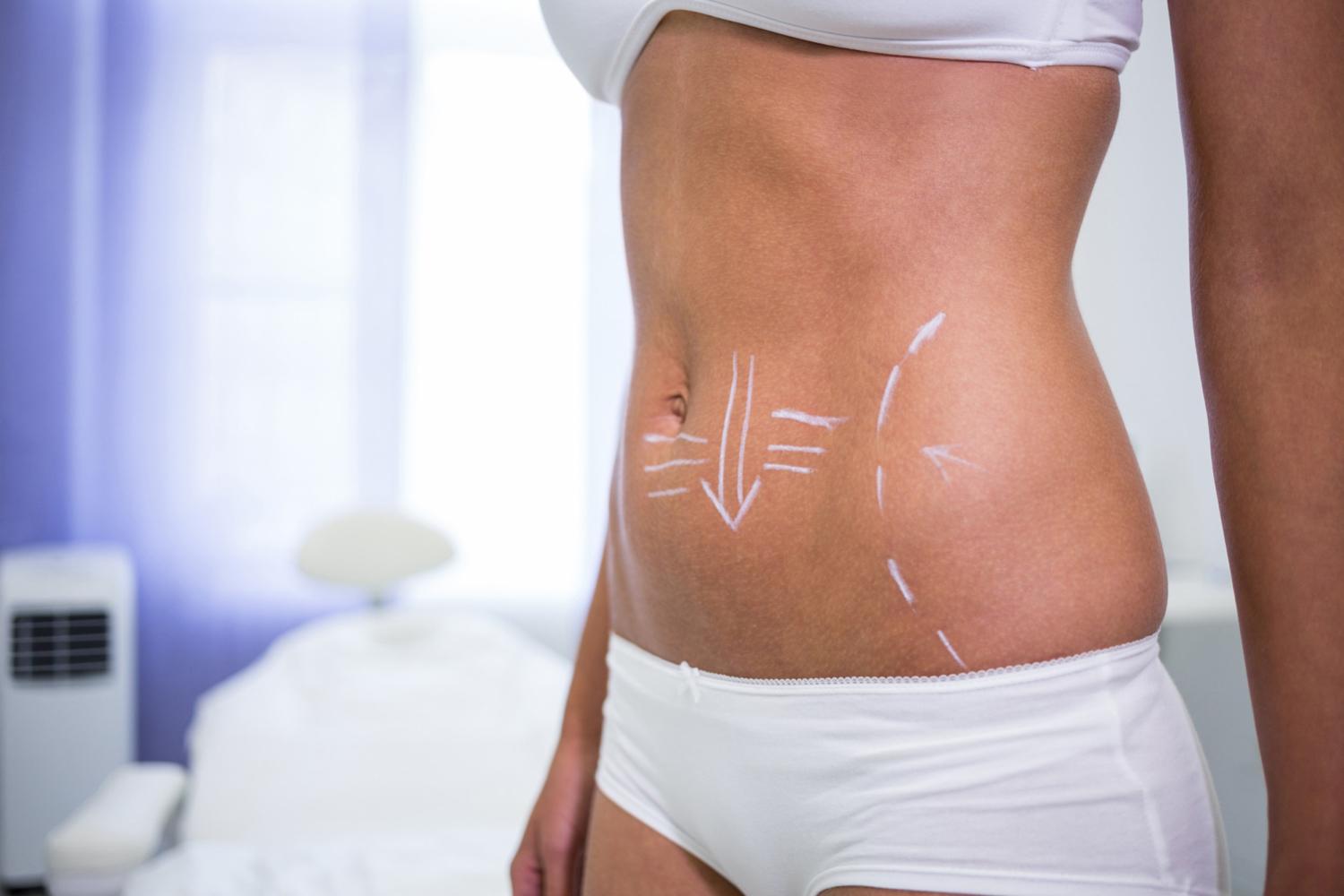
Excess abdominal skin can develop for several reasons, including pregnancy, significant weight changes, ageing, and natural changes in skin elasticity. For people who want to improve the appearance of their abdomen, understanding how excess skin is evaluated before surgery is an important part of the treatment journey. A tummy tuck consultation allows the surgeon to examine the abdominal area, understand the patient's concerns, and determine which treatment approach may be appropriate for their individual needs.
When considering a Tummy tuck dubai procedure, the assessment involves more than simply looking at how much loose skin is present. The surgeon may evaluate the location of skin laxity, the quality and elasticity of the skin, the distribution of abdominal tissue, the position of the belly button, and the relationship between the skin and underlying abdominal muscles. These findings help guide personalised surgical planning.
Dr. Shahram Sajjadi approaches the consultation as an opportunity to understand the patient's goals and assess the features that may influence treatment decisions. Each abdomen has its own characteristics, so a detailed examination helps establish realistic expectations and identify an appropriate approach.
Why Is Excess Skin Assessment Important Before a Tummy Tuck?
Excess skin assessment is an essential part of planning a tummy tuck because the amount and distribution of loose tissue can influence the surgical technique. Some individuals have a small fold of skin below the belly button, while others have more extensive laxity affecting both the upper and lower abdomen.
The consultation helps the surgeon determine whether the concerns primarily involve loose skin, localised fat deposits, abdominal muscle separation, or a combination of these factors. Although these conditions can occur together, they are not identical and may require different treatment considerations.
For example, someone with a relatively small amount of loose skin below the navel may have different treatment needs from a person with significant skin laxity extending across the entire abdomen. Evaluating these differences helps the surgeon discuss the potential scope of surgery and the areas that may be addressed.
A thorough assessment also provides an opportunity to discuss the patient's preferred abdominal contour, clothing-related concerns, and expectations regarding the appearance of the abdomen after treatment.
How Is the Amount of Excess Abdominal Skin Evaluated?
One of the first steps during a tummy tuck consultation is examining how much excess skin is present. The surgeon may assess the abdomen while the patient is standing and lying down, as changes in position can affect the appearance of loose tissue.
During the examination, the surgeon may consider:
- Extent of skin laxity: Whether loose skin is limited to the lower abdomen or extends above the belly button.
- Location of excess tissue: Whether the skin folds centrally, around the sides, or across a broader area.
- Degree of overhang: Whether the lower abdominal skin hangs over the pubic region.
- Distribution of abdominal tissue: Whether fullness is associated mainly with loose skin, underlying fat, or both.
- Overall abdominal contour: How the abdomen relates to the waist, flanks, and surrounding body proportions.
These observations help establish the extent of correction that may be appropriate. The assessment is individualised rather than based on a single measurement or a standard definition of excess skin.
The surgeon may also discuss how the appearance of the abdomen changes with movement and posture. This provides additional information about the distribution and behaviour of the loose tissue.
How Does Skin Elasticity Influence Tummy Tuck Planning?
Skin elasticity refers to the skin's ability to stretch and return towards its previous shape. It is an important consideration because two people with similar amounts of excess skin may have different skin characteristics.
During a consultation, the surgeon may examine the skin's texture, thickness, stretch, and ability to retract. Areas with reduced elasticity may not conform to the underlying abdominal contour as readily as skin with greater elasticity.
Several factors can influence skin quality, including age, previous pregnancies, substantial weight changes, genetics, and the duration for which the skin has remained stretched. Sun exposure and other aspects of natural ageing can also influence skin characteristics.
When elasticity is limited, removing excess skin may be an important part of achieving the patient's desired abdominal shape. However, the final contour depends on several anatomical factors, not skin elasticity alone.
The surgeon will consider these findings alongside the patient's goals to explain what surgery may reasonably achieve. It is important to understand that removing excess skin does not restore every characteristic of the skin to its earlier state.
How Are Pregnancy and Weight Changes Considered?
Pregnancy and significant weight fluctuations are common reasons for abdominal skin laxity. During pregnancy, the abdominal skin stretches to accommodate the growing uterus. After delivery, some skin gradually contracts, while other areas may remain loose.
Similarly, substantial weight loss can leave behind skin that has stretched over an extended period. The degree of remaining laxity varies according to individual skin quality, the amount of weight lost, age, and other personal factors.
During the consultation, the surgeon may ask about previous pregnancies, changes in body weight, and whether the patient's weight has remained relatively stable. This information helps provide context for the physical examination.
The timing of surgery may also be discussed. People planning future pregnancies or expecting further substantial weight changes may wish to consider how these changes could affect their results. The decision should be based on individual circumstances and a discussion with the surgeon.
For those exploring Best tummy tuck dubai options, it is useful to choose a consultation that considers the underlying reasons for skin laxity rather than focusing exclusively on the visible fold of skin.
How Is the Belly Button Position Assessed?
The belly button, also called the umbilicus, is an important feature of abdominal appearance. Its position, shape, and relationship to the surrounding skin may influence tummy tuck planning.
When excess skin is present, the belly button may appear lower, stretched, or differently shaped than before. The surgeon examines its position in relation to the upper and lower abdomen and considers how the surrounding tissue may change when the skin is adjusted.
In a full tummy tuck, the planned removal of excess skin may involve repositioning the belly button through a separate opening in the tightened abdominal skin. The precise approach depends on the patient's anatomy and the surgical technique selected.
In some cases, the amount of loose skin is more limited, and the belly button may not require the same degree of repositioning. This is one reason a detailed examination is necessary before determining whether a full or more limited procedure may be suitable.
The objective of planning is to consider the belly button as part of the overall abdominal contour, rather than treating it as an isolated feature.
What Is the Difference Between Loose Skin and Excess Abdominal Fat?
Loose skin and excess abdominal fat can create similar concerns about abdominal fullness, but they are different features that need to be evaluated separately.
Loose skin may appear thin, folded, or hanging, particularly after pregnancy or significant weight loss. Excess fat, on the other hand, contributes to the volume and fullness of the abdominal area. Some patients have predominantly loose skin, while others have a combination of skin laxity and localised fat deposits.
During the consultation, the surgeon may examine the thickness and distribution of the abdominal tissue to understand which factors contribute most to the patient's concerns. This helps determine whether a tummy tuck alone may address the main concern or whether another approach should be considered.
Liposuction may be discussed when localised fat deposits contribute to the abdominal contour, but it does not remove substantial amounts of loose skin. A tummy tuck is designed to remove selected excess skin and may also address abdominal muscle separation when appropriate.
Understanding this distinction is important because the most suitable treatment depends on the patient's anatomy and desired outcome, not simply the overall size of the abdomen.
How Are Abdominal Muscles Evaluated During the Consultation?
Although the primary concern may be excess skin, the surgeon may also examine the underlying abdominal muscles. Changes in the abdominal wall can influence the overall contour, even when the amount of loose skin is relatively modest.
Pregnancy and other physical changes can contribute to separation of the rectus abdominis muscles, a condition commonly known as diastasis recti. This separation may create a central bulge or make the abdomen appear less defined.
During the examination, the surgeon may assess the abdominal wall while the patient changes position or gently engages the muscles. The purpose is to understand whether muscle separation or reduced abdominal wall support contributes to the appearance of the abdomen.
If muscle separation is identified and surgical correction is appropriate, the surgeon may discuss tightening the abdominal muscles as part of a tummy tuck. However, not every patient requires this step, and the decision depends on the findings of the assessment.
Evaluating the skin and muscles together allows the surgeon to develop a more complete understanding of the abdominal area. It also helps clarify which aspects of the patient's concerns may be addressed by skin removal and which may require additional surgical measures.
How Is the Appropriate Tummy Tuck Technique Selected?
The amount and location of excess skin are important factors when deciding which type of tummy tuck may be appropriate. The surgeon considers the examination findings alongside the patient's anatomy, medical history, and treatment goals.
A full tummy tuck may be considered for individuals with more extensive skin laxity affecting both the upper and lower abdomen. Depending on the technique, the procedure may involve removing excess skin, tightening the abdominal wall when indicated, and repositioning the belly button.
A mini tummy tuck may be an option for selected patients whose concerns are more limited to the lower abdomen. The suitability of this approach depends on the location of the excess skin, the condition of the abdominal muscles, and the patient's overall anatomy.
Patients with more extensive loose skin after significant weight loss may require a different surgical plan from those with localised skin laxity following pregnancy.
The consultation helps establish which technique may best address the patient's concerns. A surgeon should explain the proposed approach, the areas expected to be treated, and the likely changes in abdominal contour before the patient makes a decision.
Choosing among Best tummy tuck Dubai treatment options should involve a personalised assessment rather than relying on the procedure name alone.
What Role Do Lifestyle and Weight Stability Play?
Lifestyle and weight stability are relevant considerations when evaluating excess abdominal skin. Although a tummy tuck can remove selected loose tissue, it is not intended to replace weight management or serve as a method of weight loss.
The surgeon may ask about recent weight changes, current activity levels, and whether the patient expects significant changes in body weight. This information can help determine whether the timing of surgery is appropriate.
Relatively stable weight is generally preferable before body-contouring surgery because substantial changes afterwards may affect the abdominal contour and the appearance of the remaining skin.
Patients may also discuss their usual exercise routines and long-term goals for maintaining their results. These conversations help ensure that the proposed treatment fits their circumstances and expectations.
The consultation should provide an opportunity to ask questions and understand how personal factors may influence the treatment plan. Individual recommendations will depend on the clinical assessment rather than a single weight or body measurement.
How Are Treatment Goals Discussed Before Surgery?
A successful consultation involves understanding what the patient wants to change and determining whether those expectations are realistic.
Some patients are primarily concerned about skin hanging over the lower abdomen. Others want to improve the appearance of a stretched abdominal area, reduce a prominent skin fold, or achieve a smoother contour around the waist.
The surgeon may ask which areas cause the greatest concern, how the skin behaves when standing or sitting, and what type of improvement the patient hopes to achieve. These details help establish priorities for treatment planning.
The discussion may also cover the expected incision location, the likely position of the resulting scar, and how the belly button may be affected. Patients should understand that the aim is to improve abdominal contour, not necessarily to reproduce the appearance of the abdomen before pregnancy or weight changes.
For people considering Tummy tuck Dubai treatment, clear communication is an important part of making an informed decision. Reviewing the proposed surgical plan and asking questions about the expected outcome can help align the patient's goals with the surgeon's clinical recommendations.
What Should You Expect During a Tummy Tuck Consultation With Dr. Shahram Sajjadi?
A tummy tuck consultation with Dr. Shahram Sajjadi provides an opportunity to discuss concerns about excess abdominal skin and explore potential treatment options.
The consultation may include a review of the patient's medical and surgical history, previous pregnancies, weight changes, and reasons for considering surgery. These details help establish the background for the physical examination.
The surgeon may then assess the abdominal skin, the distribution of excess tissue, the position of the belly button, and the underlying abdominal wall. The findings are considered together to determine which areas may benefit from treatment.
Patients can use this appointment to explain their preferences, discuss the differences between full and mini tummy tuck procedures, and ask how the proposed technique relates to their anatomy.
The consultation should also clarify what surgery can realistically achieve and whether further assessment is needed before a final plan is established.
A personalised approach ensures that the decision is based on the patient's individual characteristics and goals rather than a standard treatment recommendation.
Conclusion
Evaluating excess skin is a fundamental part of planning a tummy tuck because the amount, location, and quality of the skin can influence the most appropriate surgical approach. A detailed consultation considers these features alongside abdominal fat distribution, muscle separation, belly button position, previous pregnancies, and weight changes.
For individuals exploring Tummy tuck Dubai treatment, the assessment provides an opportunity to understand their abdominal anatomy and discuss suitable options with Dr. Shahram Sajjadi. Whether the concerns involve limited lower abdominal laxity or more extensive loose skin, an individualised treatment plan helps establish realistic expectations.
Understanding the findings before surgery allows patients to make informed decisions about their treatment goals and the approach that may be most appropriate for their needs.
Frequently Asked Questions
1. How is excess skin assessed during a tummy tuck consultation?
The surgeon examines the amount, location, and quality of loose abdominal skin. The assessment may also consider skin elasticity, abdominal fat distribution, muscle separation, and the position of the belly button to guide treatment planning.
2. Can a tummy tuck remove all excess abdominal skin?
A tummy tuck is designed to remove selected excess skin and improve abdominal contour. The amount that can be removed depends on individual anatomy, skin distribution, and the surgical technique. The surgeon explains the realistic scope of treatment during the consultation.
3. How does skin elasticity affect tummy tuck planning?
Skin elasticity influences how the remaining skin may conform to the abdomen after excess tissue is removed. Reduced elasticity may affect the overall contour, so the surgeon considers skin quality alongside other anatomical factors when planning treatment.
4. Is a full tummy tuck always necessary for loose abdominal skin?
No. A full tummy tuck is not necessary for every patient. Some individuals with limited lower abdominal skin laxity may be suitable for a mini tummy tuck, while more extensive laxity may require a broader procedure. Suitability is determined through an individual assessment.
5. Can a tummy tuck address excess fat as well as loose skin?
A tummy tuck removes excess skin and may include liposuction in selected cases to address localised fat deposits. The appropriate approach depends on the distribution of fat, the quality of the skin, and the patient's treatment goals.
6. Does pregnancy affect the assessment of excess skin?
Yes. Pregnancy can stretch the abdominal skin and may contribute to changes in the abdominal muscles. The surgeon considers previous pregnancies and any plans for future pregnancies when discussing the timing and suitability of surgery.
7. Why is the belly button examined before a tummy tuck?
The belly button's position and shape influence the overall appearance of the abdomen. Assessing it helps the surgeon determine whether repositioning may be needed and how the surrounding skin can be adjusted as part of the planned procedure.
8. Should weight be stable before a tummy tuck?
Relatively stable weight is generally recommended before surgery because substantial weight changes afterwards may affect the abdominal contour. The surgeon can discuss whether the timing is appropriate based on the patient's circumstances and goals.
9. What should I ask during a tummy tuck consultation in Dubai?
Useful questions include which procedure may suit your anatomy, how much excess skin may be removed, whether abdominal muscle tightening is appropriate, how the belly button may be affected, and what changes you can realistically expect.
10. How do I find the best tummy tuck option in Dubai?
Look for a qualified, appropriately licensed surgeon who conducts a detailed individual assessment, explains the available techniques, discusses realistic outcomes, and answers your questions clearly. The most suitable treatment depends on your anatomy, medical history, and personal goals.

 English
 Arabic
 French
 Spanish
 Portuguese
 Deutsch
 Turkish
 Dutch
Dutch
 Italiano
 Romaian
 Portuguese (Brazil)
 Greek
Greek
 Bengali