


Why Do Some People Find It Difficult to Stop Vaping?
Some people find it hard to stop vaping mainly because of nicotine dependence, strong daily habits and the way vaping fits into routines, stress and social life. Nicotine causes cravings and withdrawal symptoms, while the habit of reaching for a device becomes automatic over time. Support from a pharmacist, GP or local stop smoking service can help. For UK retailers and wholesale buyers, understanding these reasons helps staff respond kindly, avoid health claims and sell only products that are TPD compliant and MHRA notified for UK sale.
Nicotine Dependence Is the Core Reason
Most nicotine vapes contain nicotine, a substance that the body can become dependent on. Regular use trains the brain to expect it, so cravings appear when levels drop. Withdrawal symptoms such as irritability, restlessness, low mood and poor concentration are common, and they can make stopping feel harder than expected.
Dependence varies from person to person. Someone who vapes occasionally at a low strength may find stopping easier than someone who vapes throughout the day at a higher strength. Retailers should understand that this is not a lack of willpower, which helps them speak to customers without judgement. A broad e-liquids range shows how many nicotine strengths exist, which is one reason customers sometimes ask about reducing gradually.
Cravings and Withdrawal
Cravings are usually short, often passing within minutes, but they can feel intense when they arrive. Withdrawal symptoms tend to ease over days and weeks, though experiences differ. Anyone worried about symptoms should speak to a healthcare professional rather than rely on general advice.
Why Nicotine Strength Matters
Higher nicotine strengths can lead to stronger dependence, and moving down in strength is one approach some people take. Staff should not give personal medical advice, but they can explain what is on the packaging and direct customers to the NHS or a pharmacist.
Habit and Routine Make Stopping Harder
Beyond nicotine, vaping becomes part of the day. People vape after meals, on breaks, during commutes, while socialising or when they feel stressed. These links form quickly, and the cue alone can trigger the urge even when nicotine is not the main driver. This is why many people say the hardest part is the routine, not the chemical craving.
Vaping is also easy to do. A device is small, quick and can be used in many places, so the effort needed to vape is low. That convenience is part of why usage can creep up without being noticed. Tracking use for a few days gives a more honest picture of how often it happens, and it helps identify the moments that need the most attention.
The Role of Convenience
Because there is no lighting up or stepping outside, vaping can happen dozens of times a day with little thought. Customers often underestimate how often they use a device, particularly with long-lasting formats that do not need regular replacement.
Social and Environmental Cues
Friends who vape, shared break times and familiar places can all act as triggers. Changing routines, even temporarily, can reduce these cues. This is one reason people who want to stop often find it easier with support from others.
Emotional and Stress-Related Reasons
Many people use vaping to cope with stress, boredom or low mood. It becomes a short break and a way to manage feelings, so removing it can leave a gap. When stress rises, the urge to return to the habit often rises too. This is a common pattern across nicotine products and not unique to vaping.
Sleep, mood and overall wellbeing all influence how strong cravings feel. Poor sleep and high stress tend to make stopping harder, while regular meals, activity and rest can help the body cope. If low mood or anxiety becomes a problem, speaking to a GP is a sensible step, and staff should signpost this without giving medical advice.
Substituting the Habit
Some people find it easier when they replace vaping with another short activity, such as a walk, a drink or a few minutes of fresh air. The aim is to fill the gap that vaping leaves, not just to remove it.
How Long-Lasting Devices Can Affect Awareness
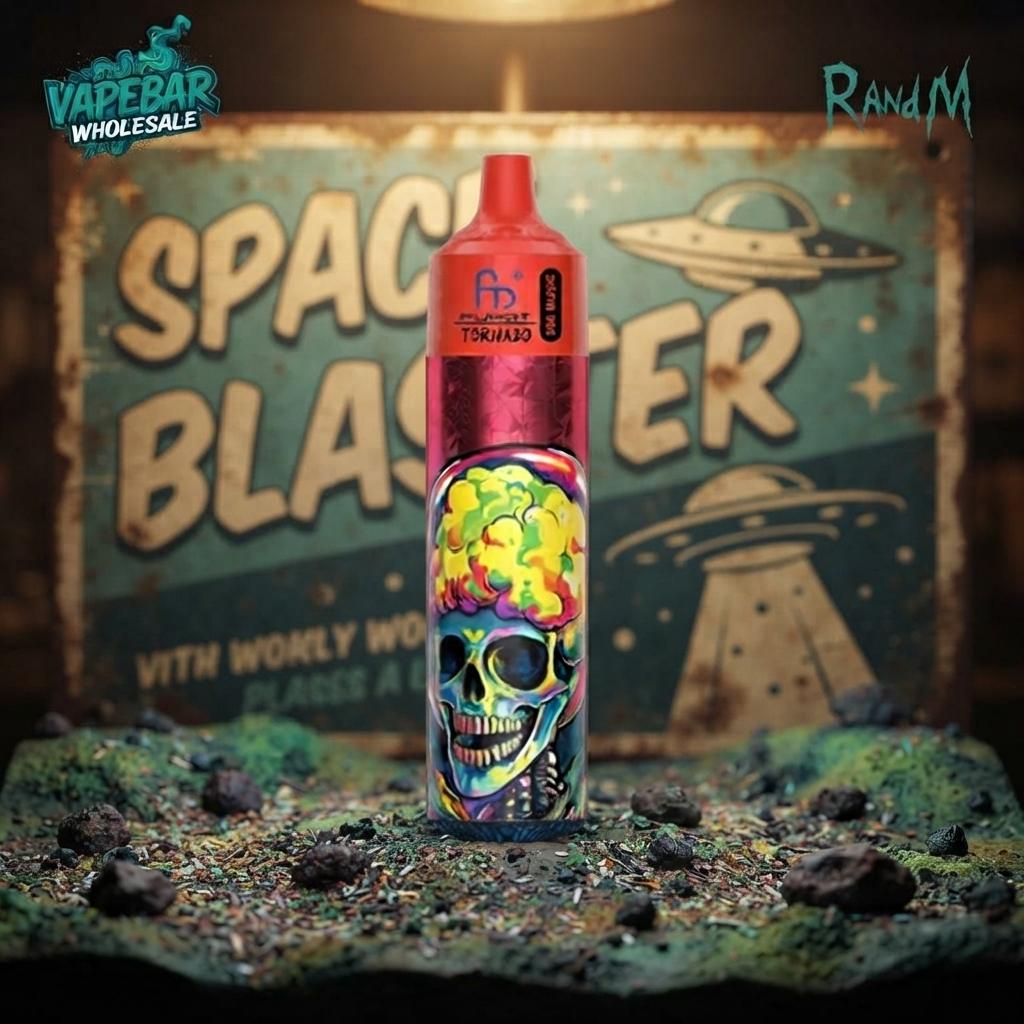
Device format can influence how aware someone is of their own use. Smaller formats run out quickly, which creates a natural moment to reconsider. Larger-capacity devices last longer, so there are fewer of those moments. The R and M Tornado 30000 box of 10 is an example of a high-capacity prefilled rechargeable device, and its product page describes up to 30,000 puffs, 20mg nicotine salt, a 600mAh USB-C battery and a 1.0Ω mesh coil.
This is a general observation and not a criticism of any product. A longer-lasting device can make it harder to notice how much is being used, since there is no regular replacement point. Real-world lifespan depends on how often and how deeply someone vapes, and the stated puff count is an estimate. Retailers should present such products factually and avoid any suggestion that they are suitable for non-smokers or young people.
Prefilled and Rechargeable Formats
Prefilled rechargeable devices are simple to use, which suits many adults who are switching from smoking. The same simplicity means there is little friction between wanting a puff and having one. Staff do not need to comment on this, but it is a useful context when customers ask about cutting down.
Why Quitting Often Takes More Than One Attempt
Many people try several times before they succeed. This is normal across nicotine products, and it should not be seen as a failure. Each attempt teaches something about triggers, cravings and what helps. A person who slips often learns which situations are hardest, and can adjust the plan next time.
Research on stopping vaping specifically is still developing, so health services generally lean on what works for stopping smoking, such as behavioural support and, where suitable, nicotine replacement therapy. These decisions are personal, so a pharmacist, GP or local stop smoking service can explain options clearly. Retailers who know this can signpost customers without overstepping.
Realistic Expectations
Telling customers that setbacks are common can keep them motivated. A supportive tone usually builds more trust than confident promises, and it keeps the shop on the right side of what is allowed.
Support Makes a Difference
Support from a trained adviser, friends or family tends to improve the chances of stopping. Many areas of the UK offer free stop smoking services, and some will also help people who want to stop vaping. Keeping local contact details at the counter is a small step that shows care.
What Retailers Should Know and Avoid
Most customers in a vape shop are adults who smoke or already use nicotine, but some will talk about wanting to stop. A thoughtful response builds trust. Staff should listen, avoid pressure and be ready to point people to the NHS, a pharmacist or a local stop smoking service. They should never suggest that a vape product will help someone quit, because vapes sold in the UK are consumer products and not licensed medicines.
Age verification must be applied every time, and displays and conversations should never appeal to young people. Vapebar Wholesale and other suppliers can provide product details, but the retailer remains responsible for what is said in store and online. Offering a mix of formats, from pod kits to ready-to-use rechargeable products, lets staff answer questions factually without steering anyone.
A Practical Counter Checklist
These points help staff handle sensitive conversations:
-
Listen first and avoid judging how much someone vapes.
-
Avoid health, quitting or safety claims about any product.
-
Explain nicotine strengths using only what is printed on the packaging.
-
Signpost the NHS, pharmacists and local stop smoking services when asked.
-
Apply age verification every time.
Stocking Considerations for Responsible Retailers
Good stock planning supports good conversations. Shops that carry a range of nicotine strengths within UK limits, clear labelling and accurate product information are better placed to answer questions honestly. A balanced range of formats also lets staff serve customers at different stages, from those who want something simple to those who prefer more control.
Buyers should check each product page for specifications, compliance wording and pack details before ordering. A selection of prefilled pod kits can be compared side by side, and buyers who also look at higher-capacity lines such as a high-puff product should read the specifications carefully first. Staying informed through official UK guidance matters, since rules and evidence continue to develop.
Final Thoughts
People find it hard to stop vaping because nicotine dependence, habit, routine and stress all work together. Convenience and long-lasting devices can make use less noticeable, and most people need more than one attempt. For retailers, the best approach is to stay factual, avoid health claims, apply age checks and signpost proper support. The blog covers related topics for UK retailers who want to keep reading.
Frequently Asked Questions
Why is it so hard to stop vaping?
Nicotine dependence, strong daily habits and stress-related use all play a part. Cravings and withdrawal symptoms can make stopping feel difficult, and routines such as breaks and social moments act as triggers.
Is quitting vaping harder than quitting smoking?
It varies from person to person. Research on stopping vaping is still developing, so health services usually suggest approaches that work for smoking, such as behavioural support. A pharmacist or GP can give personal advice.
How long do vaping cravings last?
Individual cravings usually pass within minutes, and overall withdrawal symptoms tend to ease over days and weeks. Experiences differ, so anyone struggling should speak to a healthcare professional.
Can high-puff devices make it harder to notice how much you vape?
They can, because a longer-lasting device has fewer natural replacement points. Real-world use depends on the person, and stated puff counts are estimates, so keeping track of use for a few days is a useful way to see the real pattern.
What should UK retailers say to customers who want to stop vaping?
Retailers should listen without judgement, avoid health or quitting claims, and direct customers to the NHS, a pharmacist or a local stop smoking service. Products should be TPD compliant and MHRA notified for UK sale, and age verification should be applied every time..

 English
 Arabic
 French
 Spanish
 Deutsch
 Turkish
 Dutch
Dutch
 Italiano
 Russian
 Romaian
 Portuguese (Brazil)
 Greek
Greek
 Bengali