


Contact Wire Solutions for Rail Electrification | HBNfpower
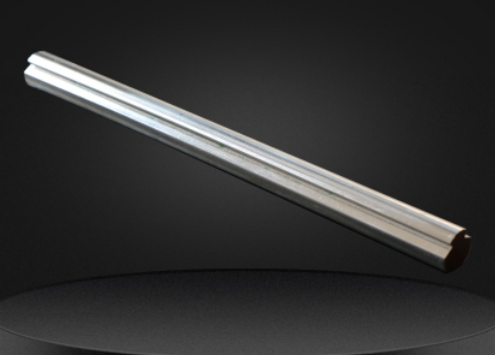
Modern railway networks depend on reliable electrical infrastructure to deliver efficient, consistent, and safe transportation. High-quality contact wire plays a vital role in railway electrification by transferring electrical power from overhead systems to electric trains through pantographs. Choosing a dependable manufacturer is essential for maintaining operational efficiency and supporting long-term infrastructure performance. HBNfpower offers specialized copper-chromium-zirconium alloy contact wire solutions designed to meet the demanding requirements of modern railway electrification projects.
Understanding the Importance of Railway Electrification Components
Railway electrification systems require carefully engineered conductors capable of handling continuous electrical transmission and repeated mechanical contact. These components must maintain dependable conductivity while withstanding friction, vibration, environmental exposure, and operational stress.
HBNfpower focuses on conductor solutions that support the evolving needs of railway operators, infrastructure developers, and electrical engineering contractors. By emphasizing material quality and manufacturing consistency, the company helps customers identify suitable products for different electrification applications.
A well-designed overhead conductor system can contribute to reliable power delivery, efficient maintenance planning, and consistent railway operations. Selecting appropriate materials at the beginning of a project also helps infrastructure teams balance electrical performance, mechanical strength, and service-life expectations.
Advantages of Copper-Chromium-Zirconium Alloy Technology
Copper-chromium-zirconium alloy is valued in demanding electrical applications because it combines copper's electrical conductivity with enhanced mechanical properties. The addition of chromium and zirconium, together with appropriate processing and heat treatment, can improve strength, hardness, and resistance to wear compared with conventional copper materials.
These characteristics make the alloy an attractive option for railway electrification systems where electrical performance and mechanical durability must work together.
Enhanced Mechanical Strength
Overhead railway conductors experience continuous contact with pantographs and must tolerate mechanical loads throughout their operating lives. Alloy composition and manufacturing processes influence the finished product's ability to withstand these conditions. HBNfpower provides alloy-based conductor solutions for customers seeking materials suited to demanding railway environments.
Reliable Electrical Performance
Electrical conductivity is a critical consideration when selecting railway conductors. Copper-based alloys can offer a useful balance between conductivity and mechanical strength, although actual performance depends on the alloy grade, processing method, and product specifications. HBNfpower supports informed product selection by focusing on the requirements of each application.
Durability for Demanding Conditions
Railway infrastructure operates under changing temperatures, weather conditions, and mechanical stresses. Choosing an appropriately engineered conductor can help infrastructure planners address these challenges. Material specifications, installation practices, and maintenance procedures all contribute to long-term performance.
Why Choose HBNfpower for Railway Conductor Solutions?
Selecting a manufacturing partner involves more than comparing product descriptions. Buyers need dependable technical information, consistent product quality, and solutions aligned with project requirements.
HBNfpower serves customers looking for specialized electrical conductor products for infrastructure and industrial applications. Its copper-chromium-zirconium alloy product range supports railway projects that require careful consideration of conductivity, mechanical strength, and material durability.
Application-Focused Product Selection
Different railway networks have different operating conditions, voltage requirements, installation designs, and performance standards. HBNfpower encourages customers to evaluate product dimensions, alloy composition, mechanical characteristics, and applicable technical specifications before making a purchasing decision.
This application-focused approach helps engineering teams identify products that align with their system designs rather than relying on generic assumptions.
Quality and Manufacturing Consistency
Consistent manufacturing is important for electrical infrastructure because variations in material properties or dimensions can affect installation and operation. Customers should assess relevant inspection procedures, product documentation, dimensional tolerances, and compliance requirements when evaluating potential suppliers.
By prioritizing technical suitability and product quality, HBNfpower aims to support professional buyers in making informed procurement decisions for demanding electrical applications.
Applications Across Modern Railway Networks
Electrified railways, urban transit systems, and other electric transportation networks rely on overhead power infrastructure designed around their specific operating requirements. Suitable conductors can support power transmission across routes that experience frequent train movements and varying environmental conditions.
For projects involving contact wire selection, engineers should consider current-carrying capacity, tensile strength, wear characteristics, compatibility with existing overhead equipment, and the relevant railway standards. These factors help determine whether a particular copper alloy is appropriate for the intended installation.
HBNfpower provides a starting point for businesses seeking specialized conductor products and technical information for railway electrification projects. Confirming the exact grade and specifications before ordering is essential to ensure compatibility with project requirements.
Invest in Dependable Railway Electrification Solutions
Reliable electrical infrastructure begins with informed material selection and a supplier that understands the importance of product performance. From conductivity and mechanical strength to dimensional accuracy and application suitability, every specification matters when developing modern railway systems.
HBNfpower offers copper-chromium-zirconium alloy conductor solutions for customers seeking specialized products for demanding electrical applications. By evaluating project requirements carefully and selecting materials that meet the appropriate technical standards, railway developers and procurement professionals can make more confident infrastructure decisions.
For your next electrification project, consider HBNfpower as a potential partner for exploring conductor solutions tailored to your technical and operational needs.

 English
 Arabic
 Spanish
 Portuguese
 Deutsch
 Turkish
 Dutch
Dutch
 Italiano
 Russian
 Romaian
 Portuguese (Brazil)
 Greek
Greek
 Bengali