


Why Donor Hair Evaluation Matters Before Choosing Hair Transplant Treatment
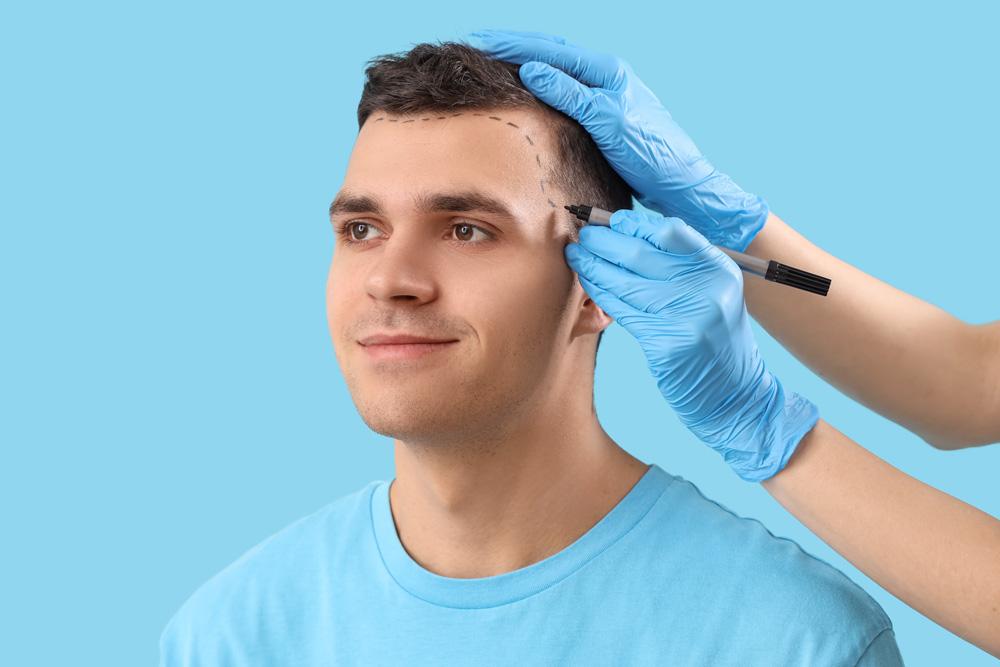
Hair transplant in Islamabad is a surgical procedure that moves hair follicles from a donor area to regions affected by hair thinning or baldness. However, successful treatment planning involves more than identifying areas where hair is missing. A detailed donor hair evaluation helps determine whether enough healthy follicles are available and how they can be used to achieve natural-looking results.
The donor area is usually located at the back and sides of the scalp, where hair is often more resistant to pattern hair loss. Nevertheless, donor hair quality and availability vary from person to person. Evaluating these factors before treatment helps establish realistic expectations, protect the donor area, and support long-term hair restoration planning.
For individuals considering a hair transplant in Islamabad, understanding donor hair assessment can make it easier to compare clinics, ask informed questions, and choose a treatment plan based on individual needs.
What Is Donor Hair Evaluation?
Donor hair evaluation is the assessment of hair follicles and scalp conditions before a hair transplant. It helps the treating surgeon understand the quantity, quality, and distribution of hair available for transplantation.
During this assessment, the surgeon may examine:
-
Hair density: The number of hair follicles present within a specific area of the scalp.
-
Hair thickness: The diameter of individual hair shafts, which influences the appearance of coverage.
-
Donor area size: The amount of scalp that may safely provide hair follicles.
-
Scalp health: The presence of inflammation, scarring, or other conditions that may affect treatment.
-
Hair characteristics: Hair colour, curl pattern, and texture, which can influence the visual appearance of transplanted hair.
-
Hair loss pattern: The current extent of hair loss and the possibility of further thinning.
These observations help determine whether a person is a suitable candidate for hair transplantation and guide the development of an individualized treatment plan.
Why Donor Hair Evaluation Matters for Treatment Planning
Determining the Availability of Healthy Grafts
A hair transplant in Islamabad depends on the availability of suitable follicular units, commonly called grafts. Each follicular unit may contain one or several hairs. The number of grafts needed depends on the size of the treatment area, existing hair density, hair characteristics, and the desired level of coverage.
A donor assessment helps estimate how many grafts may be available without unnecessarily thinning the donor area. It also helps the surgeon decide how to distribute those grafts across the scalp.
Importantly, having a large bald area does not automatically mean that every area can receive the same density of transplanted hair. Available donor hair is limited, so its use must be carefully planned.
Assessing Hair Density and Thickness
Donor hair density and shaft thickness influence the overall visual result. Thicker hair may provide more apparent coverage than finer hair, while higher follicular density may offer more options for graft extraction.
For example, someone with relatively thick donor hair may achieve the appearance of greater coverage using fewer transplanted follicles than someone with very fine hair. However, the final outcome also depends on the recipient area's size, scalp characteristics, and the surgeon's technique.
A professional assessment helps establish realistic expectations rather than promising a specific density before examining the scalp.
Protecting the Donor Area From Overharvesting
Overharvesting occurs when too many follicular units are removed from the donor area, potentially leaving it visibly thin or uneven. This can be a concern with Follicular Unit Extraction (FUE), in which individual follicular units are removed from the scalp.
A donor evaluation helps the surgeon plan an appropriate extraction pattern and estimate a safe number of grafts. The objective is to improve the recipient area while preserving the appearance and health of the donor region.
Careful planning may help reduce the risk of visible extraction marks, patchy density, and unnecessary damage to surrounding follicles.
How Donor Hair Evaluation Supports Long-Term Results
Hair loss can continue after a transplant, particularly in areas that were not treated. Donor hair evaluation should therefore consider both current needs and possible future hair loss.
A responsible treatment plan considers:
-
The patient's age and hair loss history.
-
The pattern and progression of thinning.
-
The likelihood of future hair loss, where clinically assessable.
-
The amount of donor hair that should be preserved for potential future procedures.
-
The need for appropriate medical management of ongoing hair loss, when suitable.
This long-term perspective is important because donor hair is a limited resource. Using too many grafts during an initial procedure may reduce options for future restoration.
Transplanted hair can be long-lasting, but results vary, and surrounding natural hair may continue to thin. Patients should discuss maintenance options and future planning with a qualified medical professional.
Factors That Can Affect Donor Hair Suitability
Not everyone has the same donor hair characteristics. Several factors can influence whether hair transplantation is appropriate and how the procedure should be planned.
Hair loss pattern: Some individuals have a stable donor area, while others may have diffuse thinning that affects the potential donor region.
Scalp conditions: Certain skin or scalp disorders may require assessment or treatment before surgery.
Hair texture and colour: The contrast between hair and scalp, along with curl pattern and shaft thickness, can affect the appearance of coverage.
Previous hair transplant procedures: Earlier surgeries may have reduced the remaining donor supply or created scarring.
Individual healing and medical history: General health, medications, and relevant medical conditions may influence surgical suitability and recovery.
A comprehensive evaluation helps identify these considerations before a treatment decision is made.
What Happens During a Donor Hair Assessment?
The assessment usually begins with a consultation and a discussion of the patient's concerns, expectations, and hair loss history. The clinician examines the scalp and evaluates the potential donor and recipient areas.
Depending on the case, the assessment may include magnification or trichoscopy to examine hair density, shaft characteristics, and signs of miniaturization. Photographs and measurements may also help with treatment planning.
Patients should expect clear explanations about:
-
Whether they appear to be suitable candidates for a hair transplant.
-
The estimated number of grafts that may be required and available.
-
The proposed extraction and implantation approach.
-
Potential risks, limitations, and expected recovery.
-
Alternative treatments or additional investigations, if needed.
An estimate should not be treated as a guarantee. The final graft requirement and surgical approach depend on the clinical assessment.
Choosing a Hair Transplant Clinic in Islamabad
Selecting a hair transplant clinic involves more than comparing promotional offers or advertised graft numbers. Patients should consider the qualifications and experience of the treating surgeon, the quality of the consultation, hygiene standards, follow-up arrangements, and the clinic's approach to individualized treatment planning.
SKN Cosmetics in Islamabad is an option for individuals exploring hair restoration services and seeking a consultation about their hair loss concerns. Before proceeding, patients should ask how donor density is assessed, how graft availability is estimated, who performs each stage of the procedure, and how the treatment plan accounts for future hair loss. Reviewing these details can help patients make a more informed decision based on their individual needs.
A reliable consultation should explain both the potential benefits and the limitations of hair transplantation. Patients should also receive information about possible complications, recovery expectations, and the importance of follow-up care.
Questions to Ask Before Choosing Hair Transplant Treatment
Before committing to surgery, consider asking the treating surgeon:
-
How strong and dense is my donor area?
-
How many grafts can potentially be harvested safely?
-
Will my donor hair support the coverage I want?
-
How might future hair loss affect my results?
-
What happens if I need another procedure later?
These questions encourage a transparent discussion and help establish whether the proposed treatment plan is realistic.
Frequently Asked Questions
Why is donor hair evaluation important?
It helps determine donor hair quality, available grafts, and the suitability of transplantation.
Which area is usually used as a donor site?
The back and sides of the scalp are commonly used.
Can weak donor hair affect transplant results?
Yes. Limited density or miniaturized hair may restrict the available graft supply and influence planning.
Can too many donor grafts be removed?
Yes. Excessive extraction can cause visible thinning, patchiness, and scarring.
Does donor hair evaluation guarantee successful results?
No. It supports better planning, but outcomes depend on multiple factors, including healing and surgical technique.
Making an Informed Hair Restoration Decision
Donor hair evaluation is a fundamental part of responsible hair transplant planning. It helps assess graft availability, hair characteristics, scalp health, and the potential for future hair loss. By identifying limitations before surgery, the treating surgeon can develop a more personalized approach while aiming to preserve donor resources.
Anyone considering a hair transplant in Islamabad should prioritize a detailed consultation, realistic expectations, and an evidence-informed treatment plan. Understanding the strengths and limitations of the donor area can help patients compare providers more confidently and make decisions that support both immediate goals and long-term hair restoration needs.

 English
 French
 Spanish
 Portuguese
 Deutsch
 Turkish
 Dutch
Dutch
 Italiano
 Russian
 Romaian
 Portuguese (Brazil)
 Greek
Greek
 Bengali