


What Should You Know About Skin Sensitivity After PRP Facial Treatment in Islamabad?
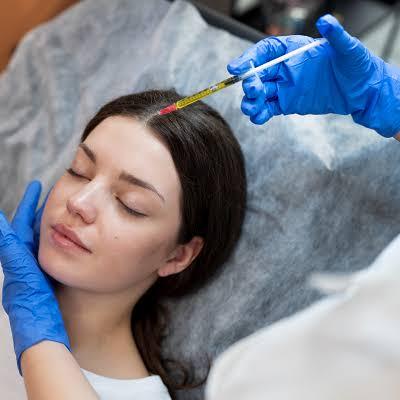
Many people choose a PRP facial because they want smoother, healthier-looking skin without relying on synthetic fillers or surgery. Because the treatment uses a concentrated portion of your own blood, it is often seen as a gentle, natural option. Even so, the skin can feel more reactive for a while afterward, and knowing what to expect helps you recover comfortably. For anyone considering PRP in Islamabad understanding post-treatment sensitivity is just as important as understanding the benefits, since it shapes how you plan your schedule, your skincare and your expectations.
What Is a PRP Facial?
PRP stands for platelet-rich plasma. During the procedure, a small sample of your blood is drawn and placed in a centrifuge, which separates the platelet-rich plasma from the other components. This plasma contains growth factors involved in the skin’s natural repair processes. It is then applied to the face, often together with microneedling, or injected into targeted areas.The idea is to encourage the skin to renew itself, which may support improved texture, tone and overall radiance over time. Because the plasma comes from your own body, the risk of an allergic reaction to the product itself is generally low. However, the needling or injection process still creates tiny controlled injuries in the skin, and these are the main reason sensitivity can follow.
Why the Skin Becomes Sensitive After Treatment?
Skin sensitivity after a PRP facial is a normal part of the healing response. When the skin is gently stimulated, blood flow increases and the repair process begins. This can leave the face looking and feeling different for a short period.Common sensations and appearances include redness that resembles mild sunburn, a feeling of warmth or tightness, slight swelling, tenderness when touched and a dry or flaky texture as the skin renews itself. Some people also notice small pinpoint marks where needles or the device touched the skin. These effects usually peak in the first day or two and ease gradually, although the exact pace varies from person to person.
How Long Does Sensitivity Last?
Most people find that redness and warmth settle within a few days, while dryness or mild flaking may linger a little longer. Swelling, if present, often improves within the first couple of days. Bruising is less common but can occur, particularly around the eyes or in areas where the skin is thin, and it can take longer to fade.Recovery time depends on several factors, including your skin type, how the treatment was performed, how many areas were treated and how well you follow aftercare. People with thicker, less reactive skin may bounce back quickly, while those with delicate or sensitive skin may take somewhat longer. If a reaction lasts far beyond what your practitioner described, it is sensible to seek advice.
Who Is More Likely to Experience Sensitivity?
Anyone can feel some sensitivity after a PRP facial, but certain groups may be more prone to stronger reactions. People with naturally sensitive skin, rosacea, eczema or a history of easily irritated skin may notice redness and tenderness more intensely. Those who use strong active ingredients such as retinoids, exfoliating acids or harsh scrubs may also find their skin more reactive, because these products can thin or irritate the skin barrier.Recent sun exposure, tanning or skin damage can add to sensitivity as well. This is one reason a consultation before treatment matters. A practitioner who understands your skin history can adjust the approach, the depth of treatment and the timing to reduce the likelihood of a difficult recovery.
Benefits That Make the Temporary Sensitivity Worthwhile
For many patients, the short period of sensitivity is a fair trade for the potential benefits. PRP may help improve skin texture, support a brighter and more even-looking complexion and soften the appearance of fine lines. It is also used for concerns such as dullness, mild scarring and uneven skin tone. Because it uses your own plasma, many people value the natural approach and the relatively low risk of adverse reactions to the material.It is important to keep expectations realistic. Results build gradually rather than overnight, and they vary between individuals. Some people need a series of sessions to see noticeable improvement, and PRP is not a substitute for surgical procedures when significant tightening or lifting is needed.
Who Is Suitable for PRP Facial Treatment?
PRP is generally suitable for adults who are in good health and want to improve skin quality without major downtime. People with early signs of aging, uneven texture, dull skin or mild scarring often consider it. A thorough assessment helps determine whether it is the right fit.Certain conditions may make PRP unsuitable or require extra caution. These can include blood disorders, low platelet counts, active skin infections or flare-ups in the treatment area, some autoimmune conditions, ongoing use of blood-thinning medication and pregnancy. Being honest about your medical history and medications allows the practitioner to protect your safety.
Preparing Your Skin Before Treatment
Good preparation can reduce sensitivity afterward. In the days leading up to your session, avoid excessive sun exposure and tanning, and ask your practitioner whether you should pause active skincare products such as retinoids or exfoliating acids. Staying well hydrated and arriving with clean, makeup-free skin is also helpful.Tell your practitioner about any medications, supplements or recent cosmetic procedures. Certain substances, including some anti-inflammatory medicines and supplements that affect bleeding, may influence bruising or healing. Your practitioner can advise what to continue and what to avoid.
Caring for Sensitive Skin After PRP
Aftercare is where you can make the biggest difference to how comfortable you feel. Treat your face gently for the first few days. Use a mild, fragrance-free cleanser and a simple moisturizer recommended by your practitioner, and avoid rubbing or picking at any flaking skin.Sun protection is essential. Treated skin is more vulnerable to ultraviolet damage, so apply a broad-spectrum sunscreen daily and limit direct sun exposure. Avoid heavy makeup for the period your practitioner advises, as it can irritate the skin or increase the risk of infection. Skip saunas, steam rooms, intense workouts and hot showers in the early days, since heat and sweating can worsen redness and discomfort.Hold off on strong skincare ingredients such as retinoids, exfoliating acids, scrubs and fragranced products until your skin has settled and your practitioner says it is safe to resume them. Cool compresses, used as directed, may help soothe warmth or swelling.
When Sensitivity Needs Medical Attention
Mild redness, tightness and dryness are expected, but some symptoms should not be ignored. Contact your clinic if you notice severe or worsening pain, spreading redness, heat that increases rather than fades, pus or unusual discharge, fever, blistering or swelling that continues to grow. These may signal infection or another complication that needs prompt assessment.Persistent irritation, unusual pigmentation changes or a reaction that seems out of proportion to the treatment also deserve professional review. Reporting concerns early allows your practitioner to guide you and, if needed, adjust your care.
Realistic Expectations and Possible Limitations
PRP is generally considered well tolerated, but it is not risk-free, and outcomes cannot be guaranteed. Possible downsides include temporary redness, swelling, bruising, tenderness and, rarely, infection or uneven results. Because individual responses differ, two people receiving the same treatment may heal differently.Cost, the need for multiple sessions and the time required for visible results are other practical considerations. For some concerns, alternative or complementary treatments such as chemical peels, laser therapies or topical skincare programs may be discussed, and a qualified practitioner can help you weigh the options against your goals and tolerance for downtime.
Choosing a Qualified Practitioner
The person performing your treatment strongly influences both safety and comfort. Look for a practitioner who offers a proper consultation, reviews your medical history, explains the procedure and recovery in plain terms and does not pressure you or make exaggerated promises. A clean, well-equipped clinic that uses sterile, single-use materials and follows proper blood-handling protocols is essential.A good practitioner will also provide clear written aftercare instructions and be available if you have questions during recovery. This support can make the difference between an anxious healing period and a smooth one.
Conclusion
Skin sensitivity after a PRP facial is common, temporary and usually mild, reflecting the skin’s natural response to gentle stimulation and repair. Understanding what to expect, preparing your skin beforehand and following careful aftercare can help you recover comfortably and get the most from your treatment. While PRP offers potential benefits for texture, tone and overall skin quality, it is not suitable for everyone and results vary, so a personal consultation with a qualified professional is the best starting point. With realistic expectations and the right guidance, you can make an informed decision and look after your skin well throughout the process.
Read More :
https://docs.google.com/document/d/1u_ys3DGv82_06xRqaywCJZgeP7wnG99vFxZYJGec6vI/edit?usp=sharing

 English
 French
 Spanish
 Portuguese
 Deutsch
 Turkish
 Dutch
Dutch
 Italiano
 Russian
 Romaian
 Portuguese (Brazil)
 Greek
Greek
 Bengali