


Fat Melting Injections in Dubai: Risks and Side Effects
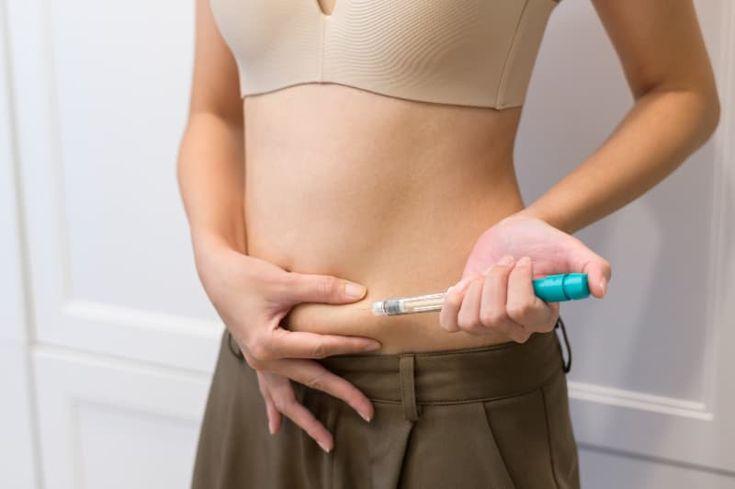
Every medical procedure carries some degree of risk, and injectable fat reduction is no exception. Patients researching fat melting injections in Dubai often encounter confident marketing that emphasises convenience and results while saying little about what can go wrong. That imbalance makes informed consent difficult. This article provides a clear, medically responsible overview of the side effects and complications associated with injectable fat reduction, distinguishes between expected reactions and genuine warning signs, and explains how clinical standards reduce risk. The purpose is not to alarm you, but to ensure you understand what you are agreeing to before treatment begins.
Understanding the Difference Between Side Effects and Complications
Side effects are expected, generally temporary reactions that occur as part of the body's normal response to treatment. Swelling, tenderness, and bruising fall into this category. They are uncomfortable but not dangerous, and they usually resolve without intervention.
Complications are less common but more serious events that may require medical attention, such as infection or significant contour irregularity. Distinguishing between the two helps patients respond appropriately, neither panicking over normal healing nor ignoring something that needs review.
Common Side Effects and What They Feel Like
Most patients experience some combination of local reactions in the treated area. These typically include:
-
Swelling that peaks in the first few days
-
Tenderness or soreness on touch
-
Redness and warmth around injection points
-
Bruising that may take several days to fade
-
Temporary numbness or altered sensation
In our clinical experience, these effects generally settle within a week or two, though the exact timeline varies between individuals and depends on the area treated and the number of injections.
Discomfort During the Procedure Itself
Some patients report a stinging or burning sensation as the solution is injected. This is related to the mechanism of the product and usually subsides quickly once the needle is withdrawn. Pain tolerance varies considerably between individuals.
If discomfort becomes difficult to manage, patients should communicate this to the clinician rather than endure it. Adjustments to technique, pacing, or anaesthetic support can often be made to improve comfort.
Risks of Fat Melting Injections in Dubai: Less Common Complications
Beyond expected side effects, a smaller proportion of patients may experience more significant problems. These can include:
-
Infection at injection sites, presenting as spreading redness, warmth, fever, or pus
-
Contour irregularity or dimpling where fat has been reduced unevenly
-
Nodules or lumps under the skin that may persist
-
Allergic reaction to components of the injectable solution
-
Prolonged or excessive swelling
The likelihood of these outcomes is influenced by technique, product quality, sterile standards, and patient-specific factors. This is why clinical oversight is not optional.
Why Technique Influences Complication Rates
Injection depth, volume per site, spacing between injection points, and the total dose all affect how tissue responds. Inaccurate placement can lead to uneven fat reduction, damage to unintended tissue, or persistent lumps.
Clinicians trained in body and facial anatomy, who follow established protocols and who recognise when to adjust or stop, reduce these risks. Patients should feel entitled to ask about their clinician's training and experience with this specific treatment.
The Role of Product Quality and Regulation
Unapproved or improperly stored products increase the risk of adverse reactions. Legitimate products are manufactured under regulatory oversight, transported under controlled conditions, and tracked through documented supply chains.
Patients can ask which product will be used, whether it is approved, and how it is stored. Transparent answers indicate a clinic operating to appropriate standards. Reluctance to answer suggests otherwise.
Who Is at Higher Risk of Complications
Certain factors raise the likelihood of problems. These include active infection in the treatment area, uncontrolled medical conditions, known allergies to product components, and significant skin laxity that affects contour.
Pregnancy and breastfeeding are contraindications, because the effects on the developing foetus or infant are not adequately established. Blood-thinning medications may increase bruising and bleeding risk and require discussion with the prescribing doctor.
Recognising Warning Signs After Treatment
Most recovery is uneventful, but certain symptoms warrant prompt contact with the clinic. Seek medical review if you experience:
-
Severe or worsening pain
-
Spreading redness, heat, or swelling
-
Fever or chills
-
Pus or discharge from injection sites
-
Hard lumps that do not improve
-
Difficulty breathing or widespread rash
These signs may indicate infection or allergic reaction and should not be managed at home.
How Clinics Reduce Risk Before Treatment
Risk reduction begins long before the first injection. A thorough consultation identifies contraindications, medications, and allergies. Suitability screening ensures the treatment is appropriate for the patient's anatomy and goals.
Sterile technique, appropriate product handling, and careful dosing during the procedure further reduce risk. Aftercare instructions and scheduled follow-up allow early detection of problems, when they are usually easier to manage.
What Patients Can Do to Lower Their Own Risk
Patients play an active role in safety. Being honest about medical history and medications is essential. Following pre-treatment instructions, such as avoiding alcohol and blood-thinning agents, reduces bleeding risk.
After treatment, adhering to aftercare guidance and attending follow-up appointments supports smoother healing. Reporting concerns early, rather than waiting to see if they resolve, is always the safer choice.
Where Responsible Practice Makes a Difference
Risk cannot be eliminated entirely, but it can be managed. The difference between a routine recovery and a complication often lies in whether standards were followed at every stage.
At Tajmeels Clinic in Dubai, the approach to fat melting injections in Dubai emphasises suitability assessment, sterile practice, regulated products, and structured follow-up. Patients are informed about realistic risks before consenting, so decisions are made with full understanding rather than optimism alone.
Conclusion
Fat melting injections in Dubai carry both expected side effects and less common complications, and understanding the difference is part of informed consent. Swelling, tenderness, and bruising are normal; infection, nodules, and contour irregularity are not and require review. Technique, product quality, and clinical standards heavily influence outcomes. If you are considering treatment, choose a clinic that explains risks openly, provides written aftercare, and offers accessible follow-up, because that transparency is itself a marker of quality care.
Book Your Consultation at Tajmeels Clinic
Book your consultation at Tajmeels Clinic to discuss your goals, treatment options, expected results, and recovery with our medical team. Contact us today to learn whether treatment is suitable for you and receive an individualized treatment plan.
WhatsApp: +971 56 203 8751
Phone: +971 4 373 9000
Social Media:

 Arabic
 French
 Spanish
 Portuguese
 Deutsch
 Turkish
 Dutch
Dutch
 Italiano
 Russian
 Romaian
 Portuguese (Brazil)
 Greek
Greek
 Bengali