


How to Choose the Right Roofing System for Long-Term Protection
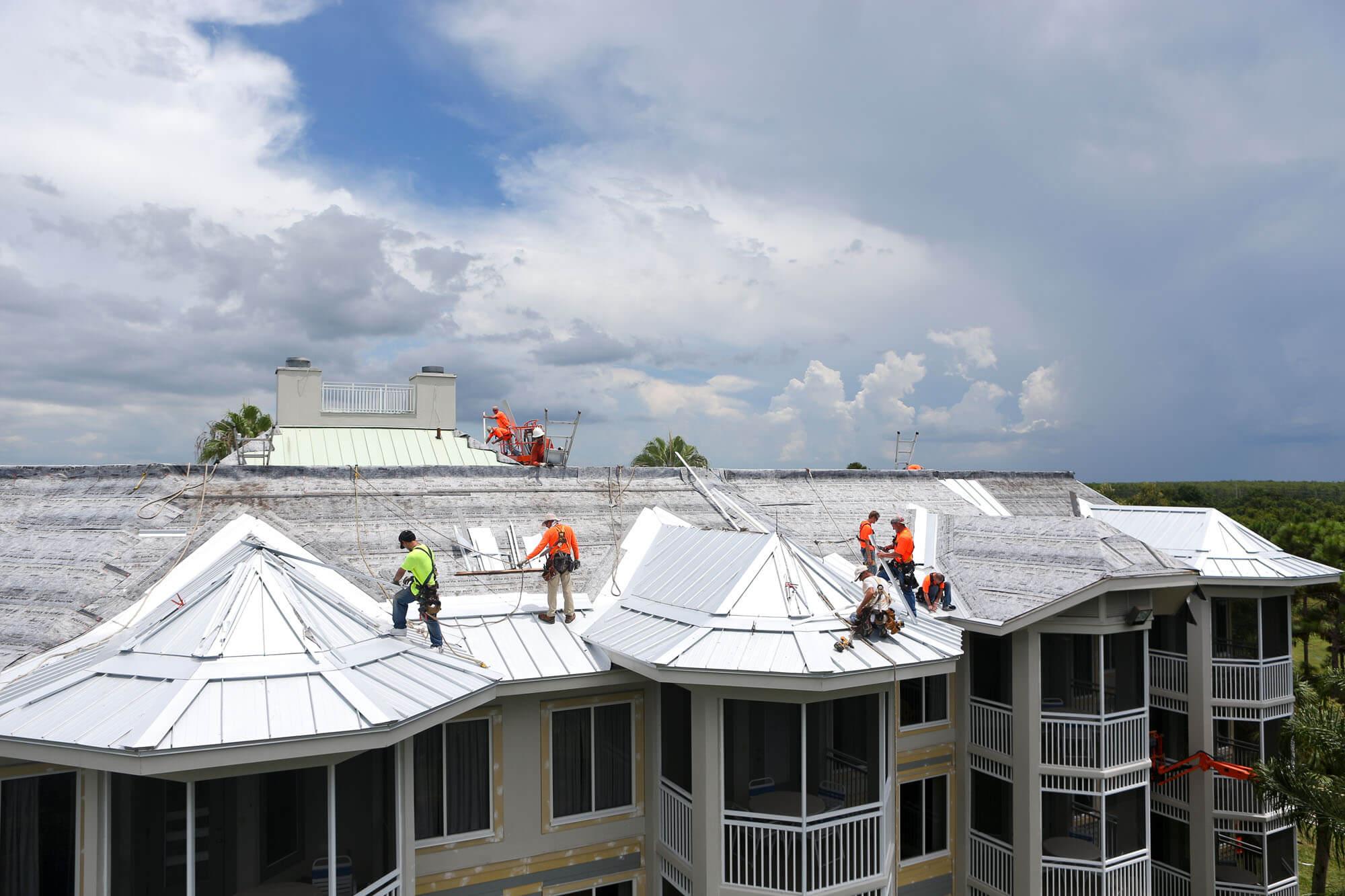
Choosing the right roofing system is an important decision for homeowners who want reliable protection against rain, sunlight, wind, and changing weather conditions. The right combination of roofing materials, underlayment, flashing, insulation, and ventilation helps protect the building while supporting its long-term performance. However, the best option depends on the property's design, local climate, structural capacity, and maintenance requirements.
For homeowners considering a new roof or replacing an aging one, comparing these factors before making a decision can prevent avoidable problems. Professional Roof Installation In Culver City, CA can help property owners evaluate suitable roofing options, address installation requirements, and plan a roofing project around their property's needs.
Evaluate Your Local Climate and Weather Conditions
Local weather should be one of the first considerations when selecting a roofing system. Prolonged sun exposure, heavy rainfall, strong winds, and seasonal temperature changes can affect roofing materials differently. A roof that performs well in one climate may require different materials or installation details in another.
For properties in sunny Southern California, homeowners may want to consider solar heat gain, ultraviolet exposure, and the occasional periods of heavy rain. Roofing materials should also be suitable for the property's exposure to wind and other local environmental conditions.
Before choosing a roof, evaluate:
-
Sun exposure: Determine whether reflective roofing materials could help reduce heat absorption.
-
Rainfall and drainage: Check whether the roof design can direct water toward gutters and suitable drainage points.
-
Wind exposure: Select roofing products with appropriate wind-resistance ratings and fastening requirements.
-
Local conditions: Consider nearby trees, coastal exposure, and other factors that may affect roof maintenance.
Matching the roofing system to the local environment helps improve its suitability and long-term performance.
Compare Roofing Materials for Durability and Lifespan
Roofing materials differ in durability, installation cost, maintenance needs, and expected service life. Comparing these characteristics helps homeowners choose a roofing system that fits their budget and long-term protection goals.
Common Roofing Materials
-
Asphalt shingles: A widely used residential option that balances affordability and practical performance. Basic three-tab shingles generally have a shorter service life than many premium roofing products.
-
Metal roofing: Available in steel, aluminum, and other metals, this option offers durability and effective water shedding when properly designed and installed.
-
Clay and concrete tiles: These materials offer long service life and fire resistance, but their weight must be considered before installation.
-
Slate roofing: Natural slate is a long-lasting premium material, although its weight and installation requirements may increase project complexity.
No material is ideal for every home. Compare manufacturer specifications, expected lifespan, maintenance requirements, and the suitability of each product for your existing roof structure before making a final decision.
Consider Roof Slope, Design, and Structural Requirements
The roof's pitch, shape, and load-bearing capacity influence which roofing systems are suitable. A steep roof generally sheds water differently from a low-slope roof, so the roofing material and drainage design must match the structure.
Match the System to the Roof Structure
For low-slope roofs, suitable systems may include modified bitumen, EPDM rubber membranes, or thermoplastic polyolefin (TPO), depending on the roof design and product requirements. Steeper residential roofs may accommodate asphalt shingles, metal panels, tile, or slate.
Weight is another important consideration. Clay tiles and natural slate can place significantly more load on a building than lightweight roofing products. Before changing materials, have the existing roof structure assessed to determine whether it can safely support the proposed system.
Assess Weather Resistance, Waterproofing, and Wind Protection
A durable roofing system requires more than strong exterior materials. Underlayment, flashing, fasteners, roof penetrations, and drainage components all contribute to the roof's ability to manage moisture and resist weather exposure.
Look Beyond the Surface Material
Check whether the proposed roofing system includes suitable protection around chimneys, vents, skylights, valleys, and roof edges. These areas require careful detailing because gaps or poorly installed flashing can allow water to enter the building.
Wind resistance also depends on the roofing product and its installation. For example, asphalt shingles rely partly on their sealing and fastening systems to resist wind uplift. Homeowners should review product-specific wind ratings and installation requirements rather than assuming every product of the same material performs equally.
For long-term protection, ask the contractor how the complete roof assembly will handle rainfall, wind exposure, and potential water entry points.
Prioritize Energy Efficiency, Insulation, and Ventilation
Roofing choices can influence indoor comfort and the amount of energy a building needs for cooling. In warm climates, a cool roof can reflect more sunlight and absorb less solar heat than a conventional roof with lower reflectance.
Choose Features That Support Energy Performance
Consider these factors when comparing roofing systems:
-
Solar reflectance: Reflective roofing surfaces can reduce the amount of solar energy absorbed by the roof.
-
Thermal emittance: Materials that release absorbed heat efficiently can help keep roof surfaces cooler.
-
Insulation: Proper insulation helps reduce unwanted heat transfer between the roof and indoor spaces.
-
Ventilation: An appropriately designed ventilation system helps manage heat and moisture within roof assemblies.
The U.S Department of Energy identifies solar reflectance and thermal emittance as key properties used to assess cool-roof performance. Actual energy savings depend on the building, climate, roof construction, and cooling requirements.
Compare Installation Costs and Long-Term Maintenance Expenses
The cheapest roofing estimate does not always represent the best long-term value. Homeowners should compare the initial installation price with expected maintenance, potential repairs, and the likely timing of future roof replacement.
Calculate the Total Cost of Ownership
When requesting estimates, consider the following expenses:
-
Roofing materials, labor, and removal of existing roofing.
-
Replacement of damaged roof decking, underlayment, or flashing where necessary.
-
Installation of ventilation components and drainage improvements.
-
Routine inspections, maintenance, and future repairs.
Roof complexity, material selection, labor requirements, and local conditions can all influence the final project cost. For example, a premium roofing material may require a larger initial investment but offer a longer service life under suitable conditions.
Request itemized estimates from multiple contractors and compare the proposed materials, installation methods, exclusions, and warranties. This makes it easier to evaluate the actual value of each roofing option instead of focusing solely on the lowest quotation.
Check Roofing Warranties, Material Quality, and Building Code Compliance
Roofing warranties provide important information about the coverage available if specific problems arise. However, homeowners should understand what each warranty covers before approving an installation.
Review the Details Before Purchasing
Check the manufacturer's material warranty and ask whether a separate workmanship warranty is available. These may cover different issues, and exclusions, maintenance obligations, and transfer conditions can vary.
Also, confirm that the roofing products meet applicable building requirements and are suitable for the intended application. Depending on the project, requirements may address fire classification, wind resistance, structural loading, drainage, and energy performance.
In Culver City, California, homeowners should confirm applicable local permitting requirements and current building codes before work begins. A qualified contractor or the local building department can help clarify which approvals apply to the proposed roofing project.
Material quality, documented specifications, and compliance with installation instructions are important considerations when evaluating a roofing system.
Choose a Qualified Roofing Contractor for Proper Installation
Even high-quality roofing materials can underperform when installed incorrectly. Selecting a contractor with relevant experience, appropriate credentials, and a clear project plan helps reduce the risk of installation defects and avoidable repairs.
What to Check Before Hiring
Before signing a contract, ask about:
-
Licensing and insurance: Verify the contractor's applicable California license and insurance coverage.
-
Relevant experience: Request examples of similar roofing projects and references where available.
-
Written estimates: Confirm the scope of work, materials, labor, cleanup, payment schedule, and anticipated timeline.
-
Installation standards: Ask how the contractor will follow manufacturer instructions and applicable building requirements.
-
Warranty documentation: Obtain written details covering materials and workmanship.
Homeowners planning Roof Installation can use these checks to evaluate their options and discuss the property's roofing needs before proceeding.
Clear communication is equally important. A reliable project plan should explain how existing roof damage will be assessed, which materials will be installed, and how unexpected structural issues will be handled.
Create a Roof Maintenance Plan to Extend Its Service Life
Regular roof maintenance helps identify developing problems before they lead to more extensive damage. Even durable roofing materials require attention to drainage, flashing, surface condition, and other components as they age.
Follow a Practical Maintenance Schedule
Arrange periodic roof inspections, particularly after significant weather events or when signs of damage appear. Inspections should be performed by a qualified professional when accessing the roof could be hazardous.
Important maintenance tasks include:
-
Checking gutters and downspouts for blockages that interfere with drainage.
-
Looking for damaged, loose, or missing roofing materials.
-
Checking flashing and visible roof penetrations for signs of deterioration.
-
Removing accumulated debris where appropriate and addressing drainage problems.
-
Arranging prompt repairs when leaks, moisture stains, or other warning signs appear.
Maintenance requirements vary by roofing material and environmental exposure. Wood roofing, for example, has different moisture-management needs from metal roofing, so care should follow the product manufacturer's recommendations.
Keep records of inspections, repairs, and warranty documents. These records can help homeowners monitor roof condition and plan maintenance or replacement more effectively.
Conclusion
Choosing the right roofing system for long-term protection involves balancing climate suitability, material durability, roof design, weather resistance, energy efficiency, and total ownership costs. Warranty coverage, professional installation, and regular maintenance are equally important to the roof's overall performance.
Rather than choosing a roofing material based on appearance or initial price alone, evaluate how the complete system will perform on your property. Comparing suitable materials and obtaining professional advice can help you make an informed decision and protect your home for years to come.


 English
 Arabic
 French
 Portuguese
 Deutsch
 Turkish
 Dutch
Dutch
 Italiano
 Russian
 Romaian
 Portuguese (Brazil)
 Greek
Greek
 Bengali