


Strategic Philanthropy: Aligning Capital, Leadership, and Lasting Impact
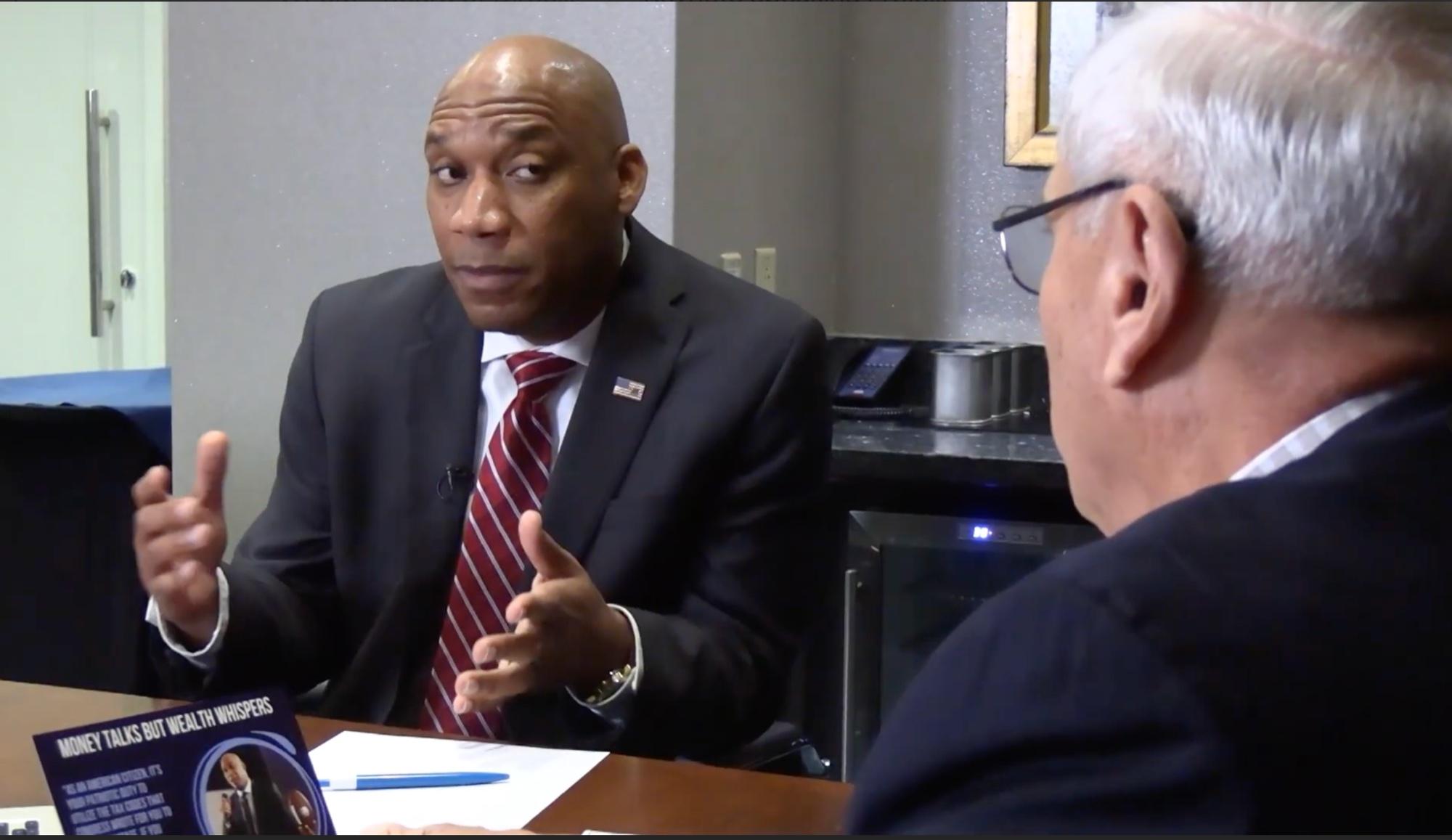
Philanthropy has the potential to influence more than individual lives. It can strengthen institutions, support economic development, advance educational opportunities, and help communities build a foundation for the future. However, meaningful and lasting impact requires more than financial generosity. It requires a clear understanding of the structures that connect resources, leadership, governance, and institutional purpose.
Strategic philanthropy brings these elements together. It encourages donors, executives, founders, and institutional leaders to look beyond immediate contributions and examine how their decisions can create value over time.
For Antomius Wise, strategic philanthropy is part of a broader conversation about institutional thinking, economic systems, and the structural forces that shape outcomes.
Rethinking the Purpose of Philanthropy
Philanthropy is frequently evaluated through visible results: the amount donated, the number of initiatives supported, or the communities reached. While these measures are important, they do not always reveal the complete picture.
Consider what happens after a philanthropic contribution is made. Does the receiving organization have the governance necessary to sustain its mission? Are its resources aligned with its long-term objectives? Can its leadership maintain continuity as circumstances change?
These questions introduce a more comprehensive approach to philanthropic decision-making.
Rather than focusing exclusively on the act of giving, strategic philanthropy examines the environment in which resources are deployed. It considers how organizational structures, institutional relationships, and decision-making frameworks influence outcomes.
The objective is to understand how generosity can support sustainable progress rather than addressing only immediate needs.
The Importance of Structural Clarity
Success often requires discipline, ambition, and the ability to make difficult decisions. Yet these qualities do not automatically provide a complete understanding of the systems surrounding wealth, leadership, and institutional influence.
Many challenges originate beneath the surface.
An organization may have substantial resources but lack clearly defined governance. A philanthropic initiative may have a compelling mission but face difficulties maintaining its effectiveness over time. A leadership team may make sound individual decisions without recognizing how broader incentives influence collective outcomes.
Structural clarity helps bring these underlying dynamics into focus.
It encourages leaders to examine how decisions are made, how responsibilities are distributed, and how different parts of a system interact. This perspective can help identify important considerations that might otherwise remain overlooked.
For high-capacity individuals and organizations, understanding these relationships can be an important part of responsible leadership.
Institutional Thinking and Long-Term Decisions
Institutional thinking involves looking beyond immediate results to consider the systems that support lasting performance.
For entrepreneurs, this means recognizing that building a successful company and developing a sustainable institution may require different approaches. Business growth can depend on execution and market opportunities, while institutional longevity also depends on governance, leadership continuity, and organizational design.
For philanthropic leaders, institutional thinking means considering whether the organizations they support have the structures needed to advance their missions over time.
For families concerned with legacy, it involves examining how values, responsibilities, and governance principles can be communicated across generations.
In each situation, the central question is similar: What must be in place for today's decisions to continue creating value in the future?
Strategic philanthropy provides an educational framework for exploring that question.
Who Benefits From Strategic Philanthropy Education?
Strategic philanthropy education is relevant to professionals and organizations operating at the intersection of capital, governance, and long-term impact.
Wealth advisors and trust networks can explore governance principles and philanthropic frameworks that complement existing fiduciary relationships.
Executive leadership teams can examine how incentives, organizational structures, and governance practices influence institutional performance.
Physicians and high-income professionals can develop a broader understanding of the systems surrounding their professional responsibilities and philanthropic objectives.
Entrepreneurs and founders can consider how their organizations might evolve from successful businesses into institutions capable of sustaining their purpose.
Family offices and high-capacity donors can explore the relationship between philanthropy, multi-generational legacy, and institutional continuity.
Universities, associations, and civic leaders can engage with educational discussions that connect leadership, economic systems, governance, and community development.
These conversations are designed to encourage informed thinking rather than prescribe a universal solution for every individual or organization.
Governance as a Foundation for Sustainable Impact
Governance is one of the most important considerations in strategic philanthropy because it influences how institutions make decisions, establish accountability, and preserve their direction.
A meaningful mission needs more than resources. It also needs structures that support responsible decision-making and organizational continuity.
Understanding governance can help leaders evaluate whether responsibilities are clearly defined, whether decision-making processes support the institution's objectives, and whether its operating principles remain aligned with its mission.
Compliant structures and appropriate oversight are also essential considerations. Philanthropic initiatives must operate within applicable legal and regulatory requirements while maintaining transparency and accountability appropriate to their circumstances.
By treating governance as an integral part of philanthropic strategy, leaders can develop a more complete understanding of the conditions that support sustainable institutional impact.
Executive Education for Complex Conversations
Some leadership questions require more than a keynote presentation or a brief discussion. They benefit from focused educational environments where participants can examine complex issues in greater depth.
Antomius Wise offers an educational perspective informed by his background as a former NFL athlete, former U.S. Secret Service Special Agent, MBA, strategic philanthropy educator, and founder of WPSM.org.
His work addresses the underlying relationships between governance, economic systems, institutional thinking, and long-term impact.
Private executive briefings can provide an opportunity for leadership teams, wealth-advisor networks, founders, and philanthropic professionals to explore these subjects in a focused setting.
The emphasis is on education, thoughtful inquiry, and structural clarity. By examining the systems influencing their decisions, participants can develop a broader perspective on the challenges and responsibilities associated with leadership and philanthropy.
Building a Legacy That Extends Beyond Today
A lasting legacy is shaped by more than the resources accumulated or the contributions made during a lifetime. It is also influenced by the institutions strengthened, the systems established, and the principles carried forward.
Strategic philanthropy encourages leaders to consider these broader dimensions of impact.
It connects present decisions with future possibilities and invites a deeper examination of how capital, governance, leadership, and mission can work together.
For Antomius Wise, the central principle is straightforward: understanding the architecture behind outcomes is essential to understanding their full potential.
When leaders look beyond immediate results and examine the structures that influence them, philanthropy becomes part of a larger conversation about institutional responsibility and long-term value.
The future of meaningful philanthropy depends not only on what is given, but also on the systems, decisions, and institutions that determine what that giving can achieve.

 English
 Arabic
 French
 Spanish
 Portuguese
 Deutsch
 Turkish
 Italiano
 Russian
 Romaian
 Portuguese (Brazil)
 Greek
Greek
 Bengali