


Mansarovar Eye Hospital Pediatric Eye Care – Complete Eye Care for Children in Lucknow
Children's eyes need special attention because good vision is important for learning, communication, reading, playing, and overall development. Some eye problems can begin during infancy or childhood and may not always be noticed by parents. Regular eye examinations can help identify vision problems early and allow appropriate treatment when required.
Mansarovar Eye Hospital Pediatric Eye Care provides specialized eye care for children in Lucknow. The hospital offers pediatric eye evaluation and treatment for conditions ranging from refractive errors and squint to retinopathy of prematurity and other childhood eye disorders.
What Is Pediatric Eye Care?
Pediatric eye care focuses on protecting and improving the vision of infants, children, and teenagers. Children's eyes are still developing, so eye problems may need to be assessed differently from adult eye conditions.
A pediatric eye examination can help identify problems that may affect a child's vision and visual development. Depending on the child's age and symptoms, an eye specialist may perform vision testing, refraction, eye alignment assessment, and other examinations.
Early evaluation is particularly important because some childhood eye conditions may not cause obvious discomfort.
Pediatric Eye Care at Mansarovar Eye Hospital
Mansarovar Eye Hospital provides eye care for children as part of its comprehensive ophthalmology services. The hospital's official information states that pediatric services include refraction, ROP screening and treatment, and squint correction.
The hospital also provides access to specialists with experience in pediatric retinal conditions. Dr. Saarang Hansraj, a consultant ophthalmologist at Mansarovar Eye Hospital, has specialized training in medical and surgical retina and is specifically trained in managing retinopathy of prematurity (ROP) and other pediatric retinal diseases.
Common Eye Problems in Children
Children can experience different types of eye problems. Some are related to refractive errors, while others involve eye alignment, the retina, or the development of vision.
Common childhood eye conditions include:
- Myopia or short-sightedness
- Hyperopia or long-sightedness
- Astigmatism
- Squint or strabismus
- Amblyopia or lazy eye
- Childhood cataract
- Pediatric glaucoma
- Retinopathy of prematurity
- Pediatric retinal conditions
- Eye infections and inflammation
- Problems with focusing or visual development
A child does not always complain about poor vision. Parents and teachers may sometimes be the first people to notice changes in a child's visual behavior.
Refractive Error in Children
Refractive errors are among the common reasons children may need an eye examination. Myopia can cause distant objects to appear blurry, while hyperopia and astigmatism can also affect clear vision.
Children may not understand that their vision is different from normal. They may simply adapt by sitting close to the television, moving closer to books, or squinting to see distant objects.
An eye specialist can perform appropriate vision and refraction tests and recommend glasses or other management options when required.
Squint and Strabismus Care
A squint, medically known as strabismus, occurs when the eyes do not remain properly aligned. One eye may turn inward, outward, upward, or downward.
Parents should not assume that a persistent squint will always disappear as the child grows. An eye specialist should evaluate the child to determine the cause and whether treatment is necessary.
Pediatric eye care may include assessment of eye alignment, vision in each eye, refractive error, and visual development. Depending on the condition, treatment may involve glasses, patching, exercises in selected cases, or surgery when appropriate.
Lazy Eye or Amblyopia
Amblyopia, commonly called lazy eye, occurs when normal visual development is reduced in one or both eyes. It may be associated with conditions such as unequal refractive errors, squint, or other problems that interfere with normal vision during childhood.
Early diagnosis is important because the developing visual system responds better to treatment during childhood.
If a child consistently favors one eye, has a persistent squint, or has difficulty seeing clearly, parents should arrange a comprehensive eye examination.
Retinopathy of Prematurity
Retinopathy of prematurity, commonly known as ROP, is a retinal condition that can affect some babies born prematurely.
ROP requires appropriate screening because early stages may not produce symptoms that parents can recognize. Babies who meet recommended screening criteria should be examined according to the advice of their pediatrician or eye specialist.
Mansarovar Eye Hospital specifically provides ROP screening and treatment as part of its pediatric eye care services.
Specialist retinal expertise can be particularly important when a premature baby requires detailed retinal assessment or treatment.
Pediatric Retina Care
Some children may develop retinal conditions that require specialized evaluation. Pediatric retinal problems can have different causes and may require imaging, monitoring, medical treatment, laser procedures, or surgery depending on the diagnosis.
At Mansarovar Eye Hospital, pediatric retinal care is supported by specialist expertise in conditions including ROP and other pediatric retinal diseases.
The exact treatment plan depends on the child's age, eye condition, symptoms, and examination findings.
Signs That Your Child May Need an Eye Examination
Parents should pay attention to changes in their child's visual behavior. Some signs that may indicate a need for an eye checkup include:
- Frequently squinting
- Sitting very close to the television
- Holding books or devices unusually close
- Difficulty reading the classroom board
- Closing one eye while looking at something
- Frequent headaches
- Complaints of blurred vision
- Difficulty focusing
- One eye turning inward or outward
- Excessive eye rubbing
- Poor performance in activities requiring vision
- Difficulty recognizing objects from a distance
These signs do not always mean that a child has an eye disease, but they can be reasons to arrange an eye examination.
Importance of Regular Eye Checkups for Children
Children may not always communicate that they cannot see clearly. Regular eye examinations can help identify vision problems before they interfere significantly with school or daily activities.
Eye examinations can also be useful when there is a family history of certain eye conditions, when a child has an existing vision problem, or when parents notice changes in visual behavior.
The appropriate frequency of examinations depends on the child's age, risk factors, existing condition, and the recommendation of the eye specialist.
Pediatric Eye Examination at Mansarovar Eye Hospital
During a pediatric eye consultation, the ophthalmologist may ask parents about the child's vision, development, medical history, birth history, and family history of eye problems.
The examination may include:
- Visual acuity assessment
- Refraction testing
- Eye alignment evaluation
- Assessment of eye movements
- Examination of the front and back of the eye
- Retinal examination when required
- Specialized tests for particular conditions
The tests selected depend on the child's age and clinical needs.
For infants and very young children, eye specialists may use age-appropriate methods to assess vision and eye health.
Why Choose Mansarovar Eye Hospital for Pediatric Eye Care?
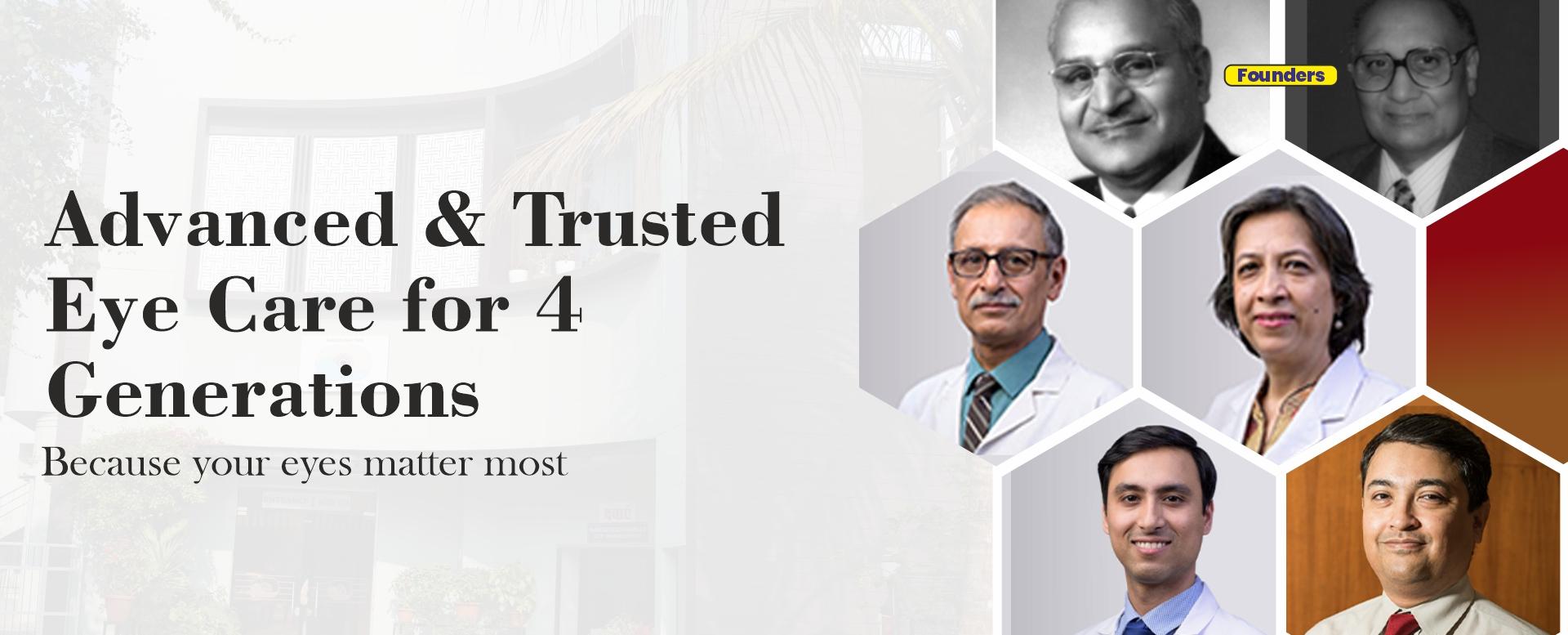
Mansarovar Eye Hospital is an established eye care institution in Lucknow, founded in 1930 and associated with four generations of ophthalmologists. The hospital provides a broad range of ophthalmic services for patients of different age groups.
For pediatric patients, the hospital offers services including refraction, ROP screening and treatment, and squint correction. Its wider range of ophthalmic specialties can also be useful when a child needs assessment involving the retina, cornea, glaucoma, or other parts of the eye.
The hospital also emphasizes modern diagnostic and treatment technology as part of its comprehensive eye care facilities.
Pediatric Eye Care and Myopia
Myopia is becoming an important concern for children's eye health. Children with myopia may have difficulty seeing distant objects, such as the classroom board or road signs.
Parents may notice that a child squints, sits close to screens, or brings books very close to the face.
A comprehensive eye examination can determine the child's prescription and help the eye specialist monitor changes over time. In children with progressive myopia, the specialist may discuss suitable management strategies based on the child's age and individual condition.
Encouraging children to spend time outdoors and take regular breaks during prolonged near work can also support healthier visual habits.
Supporting Healthy Vision at Home
Parents can encourage healthy eye habits as part of everyday life.
Some useful practices include:
- Encourage children to spend regular time outdoors.
- Provide adequate lighting for reading and studying.
- Encourage breaks during prolonged screen use.
- Keep digital devices at a comfortable viewing distance.
- Make sure children use prescribed glasses as advised.
- Avoid allowing children to rub their eyes frequently.
- Arrange an eye examination when vision problems are suspected.
Healthy habits do not replace professional eye examinations, especially when a child has symptoms or an existing eye condition.
Advanced Care for Pediatric Eye Conditions
Some childhood eye problems may require more than a routine vision test. Conditions involving the retina, premature birth, squint, cataract, or other structural problems may need specialized evaluation.
A comprehensive eye hospital can help coordinate different areas of ophthalmic care when required. At Mansarovar Eye Hospital, children can be assessed for refractive problems, squint, ROP, and pediatric retinal conditions, with other specialist eye services available when clinically appropriate.
When Should Parents Seek Urgent Eye Care?
Certain symptoms should not be ignored. Parents should seek prompt medical attention if a child experiences sudden vision loss, serious eye injury, chemical exposure, severe eye pain, or a sudden significant change in vision.
If a child has suffered an eye injury, avoid delaying professional assessment simply because the eye appears normal from the outside.
Mansarovar Eye Hospital Location in Lucknow
Mansarovar Eye Hospital is located at Vidhan Sabha Marg, opposite Akashvani Bhawan, Lalbagh, Lucknow, Uttar Pradesh – 226001. It is next to Sachivalaya Metro Station, Gate No. 1, providing convenient access for families travelling from different areas of Lucknow.
Parents looking for pediatric eye care in Lucknow can contact the hospital to enquire about pediatric consultation, appointment availability, and appropriate services for their child.
Conclusion
Mansarovar Eye Hospital Pediatric Eye Care provides comprehensive eye services for children in Lucknow, including refraction, ROP screening and treatment, and squint correction. The hospital also provides specialist expertise in pediatric retinal conditions, including ROP.
FAQs
What pediatric eye services are available at Mansarovar Eye Hospital?
Mansarovar Eye Hospital provides pediatric services including refraction, ROP screening and treatment, and squint correction.
What are common signs of vision problems in children?
Squinting, sitting close to the television, holding books too close, difficulty seeing the classroom board, frequent headaches, and an eye turning inward or outward can be signs that an eye examination may be useful.
What is ROP?
Retinopathy of prematurity is a retinal condition that can affect some premature babies. Appropriate screening is important because early ROP may not produce noticeable symptoms.

 Arabic
 French
 Spanish
 Portuguese
 Deutsch
 Turkish
 Dutch
Dutch
 Italiano
 Russian
 Romaian
 Portuguese (Brazil)
 Greek
Greek
 Bengali