


Order Industrial PVDF Filters for Chemical Processing Plants
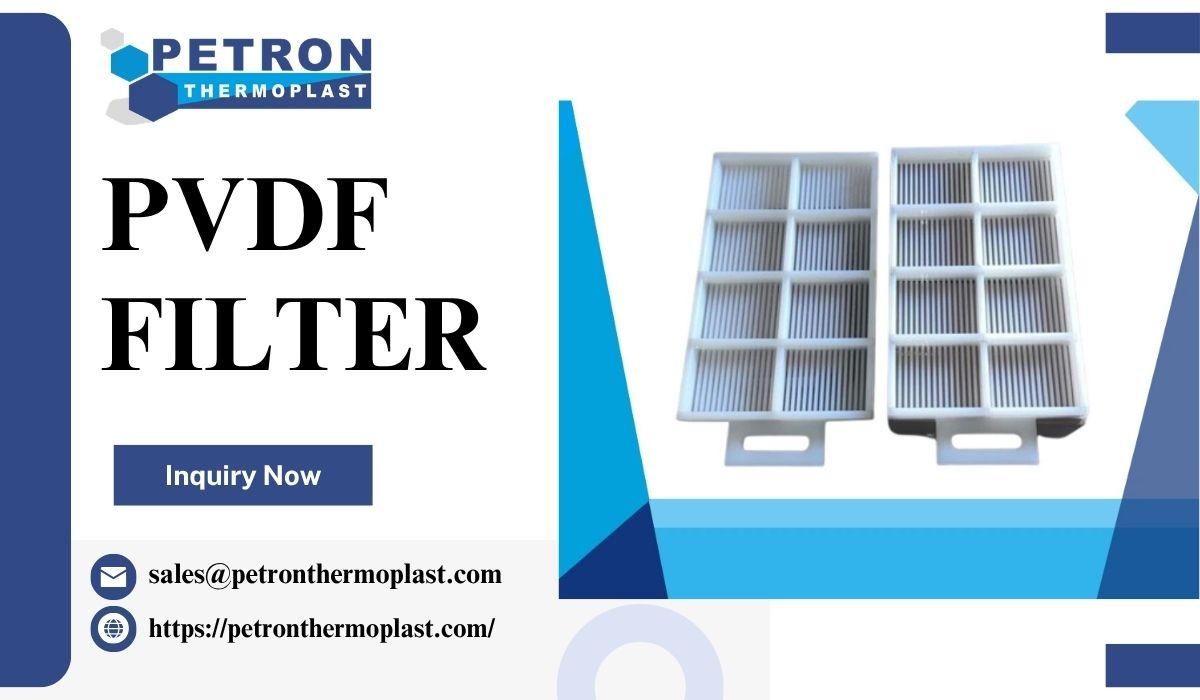
Chemical processing plants require reliable filtration equipment to maintain fluid quality, protect pipeline components, and support efficient production. When handling corrosive liquids and aggressive chemicals, selecting the right filter material is essential. A PVDF filter is a suitable option for many industrial applications because polyvinylidene fluoride (PVDF) offers excellent chemical resistance, good mechanical strength, and reliable performance in demanding operating conditions.
Petron Thermoplast offers industrial thermoplastic product solutions for chemical processing and industrial piping requirements. Businesses looking for PVDF filters can explore customized options based on their filtration needs, fluid properties, operating conditions, and installation requirements.
Whether you are upgrading an existing filtration system or planning a new chemical processing plant, choosing an appropriate PVDF filter can help improve process reliability and simplify maintenance.
What Is an Industrial PVDF Filter?
A PVDF filter is a filtration component manufactured using polyvinylidene fluoride, a high-performance thermoplastic material. It is used in compatible fluid-handling systems to separate unwanted particles or contaminants from liquids, depending on the filter design and filtration element.
PVDF is widely considered for applications where ordinary plastic materials may not provide the required chemical resistance or operating performance. It can be used in selected chemical transfer lines, industrial water treatment systems, pharmaceutical processes, and other specialized fluid-handling applications. The actual filtration performance depends on the filter's construction, pore size or mesh rating, pressure limits, temperature, and chemical compatibility.
Why Choose PVDF Filters for Chemical Processing Plants?
Chemical manufacturing facilities often handle acids, alkalis, solvents, process water, and other specialized fluids. Filtration equipment must be compatible with the fluid and suitable for the plant's operating conditions.
Here are some important reasons to consider PVDF filters.
- Excellent Chemical Resistance
PVDF provides resistance to many acids, halogens, and aggressive industrial chemicals. This makes it a useful material for selected chemical filtration applications.
However, compatibility varies by chemical concentration, temperature, exposure time, and filter construction. Always confirm compatibility before installation.
- Corrosion-Resistant Construction
Metallic filtration components can corrode when exposed to incompatible chemicals. PVDF offers a non-metallic alternative for suitable applications and can help reduce corrosion-related maintenance concerns.
- Reliable Filtration Performance
A correctly selected PVDF filter can help remove suspended particles and protect downstream equipment. The required filtration rating should match the process requirements and the size of contaminants that need to be captured.
- Good Mechanical Strength
PVDF offers useful mechanical properties for industrial equipment. The complete filter assembly must still be selected according to the system's pressure, temperature, flow rate, and installation conditions.
- Suitable for Specialized Fluid Handling
PVDF filters are considered in applications where chemical compatibility and fluid purity are important. The specific filter design and material grade should be reviewed for critical or high-purity processes.
Types of PVDF Filters
Different processes require different filtration arrangements. The most suitable design depends on the fluid, contaminant type, required filtration rating, flow rate, and available installation space.
- Inline PVDF Filter
Inline filters are installed directly into a pipeline. They are considered for process lines where fluid filtration is required without a separate filtration tank.
- PVDF Cartridge Filter Housing
A cartridge-style filtration system uses a replaceable filtration element housed in a compatible assembly. The housing material, cartridge compatibility, sealing arrangement, and operating limits must be checked together.
- PVDF Mesh or Screen Filter
Mesh or screen filtration is used to capture larger suspended particles. The opening size should be selected according to the contaminants present and the required flow conditions.
- Custom PVDF Filtration Assembly
Some industrial plants need specific connection sizes, mounting arrangements, or material combinations. A customized assembly may be considered when a standard filter does not meet the installation requirements.
The availability of each type depends on the manufacturer's product range.
Applications of PVDF Filters in Industrial Plants
PVDF filtration equipment can support several industrial processes where the material is compatible with the fluid and operating conditions.
Chemical manufacturing: Used in suitable chemical transfer and process lines to help remove suspended contaminants.
Acid handling systems: Considered for compatible acidic fluids after confirming concentration and temperature limits.
Water treatment: Used in selected industrial water treatment and chemical dosing applications where filtration requirements are clearly defined.
Pharmaceutical processing: May be suitable for compatible process streams where material purity and cleanliness are important. Critical applications require the relevant validation and compliance checks.
Electronics and specialty chemicals: PVDF may be considered for selected high-purity chemical systems when the complete filter assembly meets the required purity standards.
Industrial fluid circulation: Helps maintain fluid cleanliness in compatible circulation systems and can protect downstream components from unwanted particles.
Key Benefits of Using PVDF Filters
Selecting an appropriate industrial PVDF filter can provide several practical benefits.
- Chemical resistance: Supports use with many compatible aggressive fluids.
- Reduced corrosion concerns: Provides a non-metallic option for suitable process environments.
- Equipment protection: Helps reduce the movement of unwanted particles into downstream components.
- Process consistency: Appropriate filtration can support stable operating conditions.
- Flexible selection: Different filtration ratings and connection arrangements may be available, depending on the design.
- Maintenance planning: Replaceable elements, where provided, can simplify routine servicing.
- Industrial versatility: Can be considered for a variety of chemical and process fluid applications.
How to Select the Right PVDF Filter?
Before ordering a PVDF filter for a chemical processing plant, review the following points.
Identify the Process Fluid
Provide the exact chemical name, concentration, and operating temperature. Do not select a filter based only on a general description such as acid or solvent.
Determine the Required Filtration Rating
Identify the approximate particle size that must be removed. A finer filtration rating may increase pressure drop or require more frequent element replacement.
Check the Required Flow Rate
The filter should support the expected process flow without creating an unacceptable restriction. Consider both normal and peak operating conditions.
Confirm Pressure and Temperature
Review the maximum operating pressure, possible pressure surges, and process temperature. The complete assembly, including seals and connections, must be suitable for these conditions.
Select Compatible Connections
Confirm the pipeline diameter, connection standard, installation orientation, and available space. Correct dimensions help reduce installation problems.
Review Maintenance Requirements
Consider whether the filtration element is cleanable or replaceable, how the unit will be isolated for maintenance, and how frequently inspection may be needed.
Why Choose Petron Thermoplast?
Petron Thermoplast provides thermoplastic piping products and industrial fluid-handling solutions for different project requirements. When sourcing PVDF filters, buyers should clearly communicate the intended application so the appropriate product configuration can be identified.
Customers can discuss:
- Required filter size and connection type
- Chemical name and concentration
- Operating pressure and temperature
- Filtration rating and flow requirements
- Quantity required for the project
- Customization and delivery requirements
- Product documentation and technical specifications
Bulk Orders and Worldwide Delivery Support
Chemical processing projects often require multiple filtration components along with compatible valves, pipes, fittings, and other thermoplastic products. Planning procurement in advance can help coordinate product selection and installation schedules.
When requesting a quotation, include the required quantity, delivery location, project timeline, technical specifications, and any documentation requirements. For international orders, confirm packing, shipping arrangements, lead time, and export documentation before placing the order.
Availability, customization, and delivery schedules should be confirmed with the sales team for the specific PVDF filter model.
Maintenance Tips for Industrial PVDF Filters
Proper maintenance helps preserve filtration performance and reduce unexpected downtime.
- Inspect the filter regularly for leaks, damage, and unusual pressure changes.
- Monitor differential pressure where suitable instruments are installed.
- Clean or replace the filtration element according to the manufacturer's instructions.
- Verify that cleaning chemicals are compatible with the filter body, element, and seals.
- Isolate and depressurize the system before opening the filter.
- Keep maintenance records to identify recurring blockage or contamination issues.
Never exceed the specified operating limits or open a pressurized filter housing.
Conclusion
Ordering the right industrial PVDF filter is an important step toward reliable filtration in chemical processing plants. PVDF offers useful chemical resistance and mechanical properties for many compatible industrial applications. However, the final selection must account for the fluid composition, filtration rating, flow rate, pressure, temperature, and complete assembly design.
Petron Thermoplast can be contacted to discuss PVDF filter requirements for industrial projects, including technical specifications, quantities, customization needs, and delivery arrangements. Provide your application details to help identify a suitable solution for your process. Looking for industrial PVDF filters at competitive prices? Contact Petron Thermoplast to discuss your requirements and request a quotation.

 English
 Arabic
 French
 Portuguese
 Deutsch
 Turkish
 Dutch
Dutch
 Italiano
 Russian
 Romaian
 Portuguese (Brazil)
 Greek
Greek
 Bengali