


What Are the Most Common Reasons People Become Addicted to Vaping?
The most common reason people become addicted to vaping is nicotine dependence, which builds when the body gets used to regular doses. Habit, stress, boredom, flavour appeal and social settings then keep the cycle going. Easy access and devices that make frequent use simple can also play a part. For UK wholesale buyers and retailers, understanding these causes supports responsible selling, clearer customer conversations and a better informed approach to range planning.
Nicotine Dependence Is the Main Driver
Nicotine is the substance that makes vaping habit-forming. With repeated use, the body adapts, and many people feel the need to vape more often to avoid cravings or irritability. This is why vaping is intended only for adults who already use nicotine, and why non-smokers should not start. Retailers who stock Nico pods should make sure staff can explain nicotine strengths clearly and accurately.
-
Cravings often appear when someone has gone a while without nicotine.
-
Higher strengths can increase the risk of dependence in new users.
-
Customers should be told that nicotine is addictive.
Habit and Daily Routine
Many people link vaping to parts of their day, such as having a coffee, taking a break at work or finishing a meal. Over time these triggers become automatic, and the habit continues even when cravings are not strong. Pocket-sized devices make it easy to vape at these moments without much thought. Customers who choose Pod kits for their simplicity may find it helpful to track how often they actually use them.
-
Routine triggers can make vaping feel automatic.
-
Easy access during the day reinforces the habit.
-
Awareness of usage patterns helps people stay in control.
Stress, Boredom and Emotional Use
Stress and boredom are often mentioned as reasons people vape more than they planned. Using nicotine to relax or fill a quiet moment can create an emotional link, which makes it harder to cut back later. Online discussions about quitting vaping show how common this struggle is, and many people look for advice before asking anyone in person. Retailers can support customers by sharing balanced, factual guidance, for example through a Blog that points to local stop smoking services.
-
Using nicotine to cope with stress strengthens the habit.
-
Boredom can lead to frequent, unplanned use.
-
Support services can help people who want to cut down.
Flavours and Easy Access
Flavour choice makes vaping more enjoyable, and for some people that makes it easier to vape often. A wide range of tastes and convenient formats can encourage frequent use, especially when products are easy to buy. This does not mean flavours are the cause of addiction, since nicotine remains the main factor, but they can shape how much someone vapes. Retailers selling E-liquids should present them responsibly and only to adult customers.
-
Flavour variety can encourage regular use.
-
Easy availability makes repeat purchases simple.
-
Adult-only presentation and sales are essential.
Social Environment and Peer Habits
People are more likely to continue vaping when friends, partners or colleagues do the same. Shared breaks and social events can make vaping feel normal and expected. Online communities add to this, as people swap tips on products and ask how to buy their first vape. At the same time, many posts discuss regret or wanting to quit, which shows that attitudes are mixed. Retailers offering Vape kits can help by keeping advice clear and aimed at adults only.
-
Vaping with friends can reinforce regular use.
-
Online discussions influence how people think about vaping.
-
Many adults look for ways to cut down after starting.
High-Puff Formats and Nicotine Intake
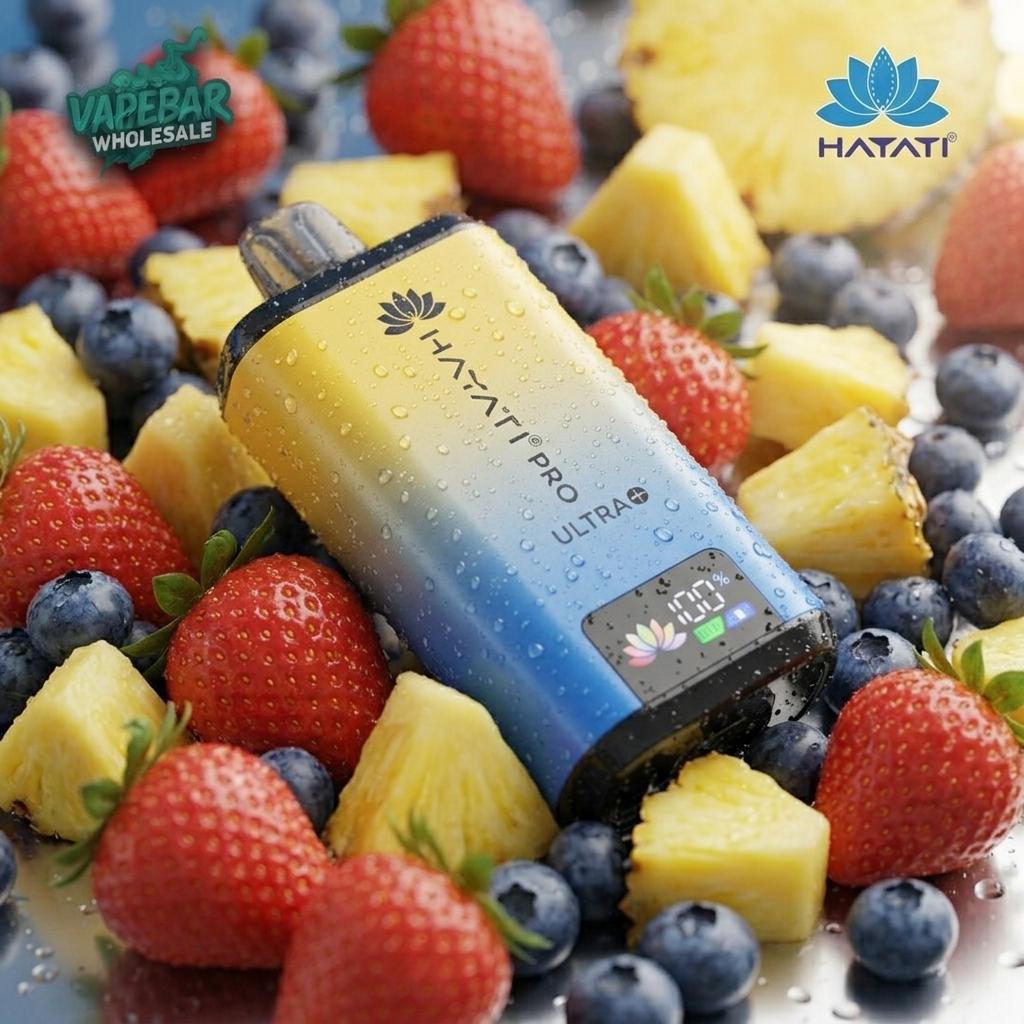
Devices with a high puff capacity can make it harder to keep track of how much nicotine is being used. When a single device lasts a long time, people may vape throughout the day without noticing how often. Products such as the hayati pro ultra plus 25000 box of 5 list a puff count set by the manufacturer, but real use differs from person to person. Staff should avoid making promises about how long a device will last.
-
Longer-lasting formats can hide how much nicotine is used.
-
Puff counts are a guide, not a guarantee.
-
Customers should be encouraged to check product information.
What UK Wholesale Buyers and Retailers Can Do
Retailers cannot control why customers vape, but they can run their shops responsibly. That means training staff to give accurate product information, checking age consistently and avoiding any language that suggests vaping is risk-free. Suppliers such as Vapebar Wholesale list products across several categories, which lets buyers build a balanced range without leaning on one format. When reviewing a Rechargeable Vape range, buyers should check each product's listed details before ordering.
-
Train staff to explain nicotine in plain, honest terms.
-
Signpost customers who want to quit to stop smoking support.
-
Avoid health claims that are not supported by evidence.
Responsible Retailing and Compliance
Vapes in the UK can only be sold to adults aged 18 and over, and a Challenge 25 routine helps retailers stay on the right side of the rules. Products should be TPD compliant and MHRA notified for UK sale where relevant, and buyers should ask for confirmation from suppliers rather than assume. Vapebar Wholesale encourages buyers to keep documentation on file as part of normal due diligence. Shops stocking Prefilled Pod Kits should also check that labelling and packaging are intact.
-
Check age on every uncertain sale and keep staff trained.
-
Never market products in a way that appeals to under 18s.
-
Keep supplier compliance records easy to access.
FAQs
Why is vaping addictive?
Vaping is addictive mainly because most products contain nicotine, which the body becomes dependent on with regular use. Habit, stress and social settings can then make it harder to stop.
Can you become addicted to vaping if you have never smoked?
Yes, if the product contains nicotine, dependence can develop even in someone who has never smoked. This is why vaping is only suitable for adults who already use nicotine.
Do higher nicotine strengths make addiction more likely?
Higher strengths deliver more nicotine, which can make dependence build faster in some people. Customers should choose a strength carefully and be told that nicotine is addictive.
How do I know if I am dependent on vaping?
Common signs include strong cravings, vaping more than planned, feeling irritable without it and finding it hard to cut down. People who notice these signs can ask a pharmacist or local stop smoking service for support.
What can retailers do to support responsible vaping?
Retailers can check age on every uncertain sale, give accurate product information and avoid unsupported health claims. They can also point customers who want to quit towards local stop smoking services.

 English
 Arabic
 French
 Spanish
 Portuguese
 Deutsch
 Dutch
Dutch
 Italiano
 Russian
 Romaian
 Portuguese (Brazil)
 Greek
Greek
 Bengali