


Lymphatic Massage: Common Mistakes and How to Avoid Them
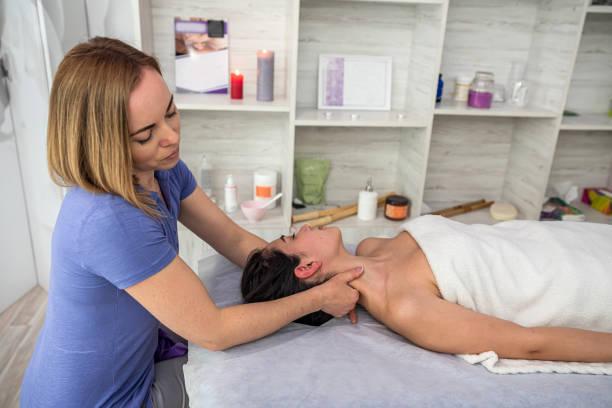
Lymphatic massage is a gentle technique designed to encourage the movement of lymph fluid through the body's lymphatic system. When performed appropriately, it may help manage certain types of swelling and support specific treatment plans. However, incorrect techniques, unrealistic expectations, and overlooking medical precautions can reduce its usefulness or create unnecessary risks. For individuals considering Lymphatic massage in Riyadh (مساج لمفاوي الرياض), understanding common mistakes and learning how to avoid them can help support safer, more informed treatment decisions. The right approach depends on individual health needs, the cause of swelling, and guidance from a qualified professional.
Understanding Lymphatic Massage
Lymphatic massage, also known as manual lymphatic drainage, uses slow, rhythmic movements and light pressure on the skin to encourage lymph fluid movement through superficial lymphatic vessels. It differs from traditional massage because it focuses on lymphatic pathways rather than deep muscle tissue.
Why Proper Technique Matters
The lymphatic system helps collect excess fluid from tissues and return it to the bloodstream. It also supports immune function through the activity of lymph nodes and other structures. Gentle manual techniques may be useful in selected circumstances, particularly as part of comprehensive care for certain cases of lymphedema.
However, lymphatic massage is not necessary for everyone. Its effectiveness depends on the underlying condition, and it should not be considered a universal solution for swelling, detoxification, or weight loss.
Common Lymphatic Massage Mistakes
Understanding the most frequent errors can help people make better decisions when considering treatment.
Mistake One: Applying Too Much Pressure
One common misconception is that firmer pressure produces better lymphatic drainage. Manual lymphatic drainage generally uses light, controlled movements because many superficial lymphatic vessels are close to the skin.
Excessive pressure may cause discomfort or irritate sensitive tissues, particularly after surgery or when swelling is present. To avoid this mistake, choose a practitioner trained in appropriate lymphatic drainage techniques and communicate immediately if treatment becomes painful.
Mistake Two: Assuming Every Type of Swelling Needs Massage
Swelling can develop because of prolonged sitting, injury, venous problems, medication effects, infections, blood clots, or heart and kidney conditions. These causes require different approaches, and massage may be unsuitable in some situations.
Persistent or unexplained swelling should be assessed by a healthcare professional before treatment begins. Sudden swelling in one leg, especially with pain, warmth, or redness, needs prompt medical evaluation. Chest pain or shortness of breath requires emergency medical attention.
Mistake Three: Expecting Immediate or Permanent Results
Some people expect lymphatic massage to remove all swelling after one session. In reality, results vary according to the condition being treated, the severity of fluid buildup, and individual health factors.
When lymphatic drainage is appropriate, it may help manage certain swelling conditions, but it does not guarantee immediate relief or permanent changes in body shape. Following a suitable treatment plan and attending recommended medical appointments are more important than expecting instant results.
Mistakes Related to Treatment Frequency and Preparation
Treatment frequency should be individualized rather than based on a fixed schedule for everyone.
Scheduling Sessions Without Professional Guidance
Repeated sessions are not automatically necessary or beneficial. People with lymphedema may require a structured management plan, while individuals experiencing occasional puffiness may not need specialized treatment at all.
A qualified practitioner or healthcare professional can help determine whether sessions are appropriate and how often they should occur. Anyone considering Lymphatic massage in Riyadh should discuss their symptoms, medical history, and goals before committing to a treatment routine.
Ignoring Medical History
Failing to disclose health conditions, medications, recent procedures, or ongoing symptoms can create avoidable risks. Certain heart or kidney conditions, suspected blood clots, and active infections may make massage inappropriate without medical assessment.
Before treatment, provide accurate information about your health and follow any restrictions recommended by your clinician.
Mistakes to Avoid After Cosmetic Procedures
Lymphatic massage is sometimes included in postoperative care, but it should never be started automatically after cosmetic surgery.
Beginning Treatment Too Early
Healing tissues may be sensitive, and surgical incisions require appropriate protection. The correct timing depends on the procedure, healing progress, and the surgeon's instructions.
Always obtain approval from your treating surgeon before beginning postoperative lymphatic drainage. Do not massage incisions, open wounds, drains, or other restricted areas without explicit professional guidance.
Replacing Medical Care With Massage
Increasing swelling, worsening pain, redness, warmth, fever, or unusual wound discharge may indicate a complication. These symptoms should be discussed with the surgical team rather than treated with additional massage.
Lymphatic drainage is a supportive technique in selected circumstances, not a replacement for postoperative monitoring, prescribed compression, medication, or wound care.
How to Choose the Right Practitioner
Selecting a qualified practitioner is an important step toward appropriate treatment.
Check Training and Communication
Look for someone with relevant training in manual lymphatic drainage and experience with your particular needs. A responsible provider should review your medical history, explain the technique, discuss realistic outcomes, and recognize when a medical referral is necessary.
The practitioner should also adapt the treatment to your comfort and avoid forceful movements that do not suit lymphatic drainage.
Understand What the Treatment Can and Cannot Do
Lymphatic massage may help manage selected fluid-related conditions, but claims that it melts fat, guarantees weight loss, or removes all toxins are not supported by strong scientific evidence. The liver and kidneys perform major roles in processing and eliminating waste products, while the lymphatic system supports fluid balance and immune function.
Knowing these limitations helps you make realistic choices and avoid treatments based on misleading promises.
Tips for a Safer Lymphatic Massage Experience
-
Seek assessment first: Have unexplained or persistent swelling evaluated.
-
Choose appropriate training: Confirm that the practitioner understands manual lymphatic drainage.
-
Use gentle techniques: Treatment should not involve painful or forceful pressure.
-
Follow medical advice: Obtain clearance after surgery or when you have relevant health conditions.
-
Monitor symptoms: Seek medical care if swelling worsens or new symptoms develop.
For people exploring Lymphatic massage in Riyadh, these precautions can help make the treatment decision more informed and appropriate for their individual circumstances.
Book a Consultation at Royal Clinic Saudia
Choosing lymphatic massage begins with understanding your symptoms, health history, and treatment goals. Royal Clinic Saudia ( عيادات رويال كلينك ) can help you discuss your concerns, understand relevant precautions, and explore whether lymphatic drainage may be suitable for your needs. If you are considering Lymphatic massage in Riyadh, seek professional guidance to establish realistic expectations and ensure that any recommended approach is appropriate for your health.

 English
 Arabic
 French
 Spanish
 Portuguese
 Deutsch
 Turkish
 Dutch
Dutch
 Italiano
 Romaian
 Portuguese (Brazil)
 Greek
Greek
 Bengali