


ISEN Backpack Supplier: Choosing Durable Materials for Bags
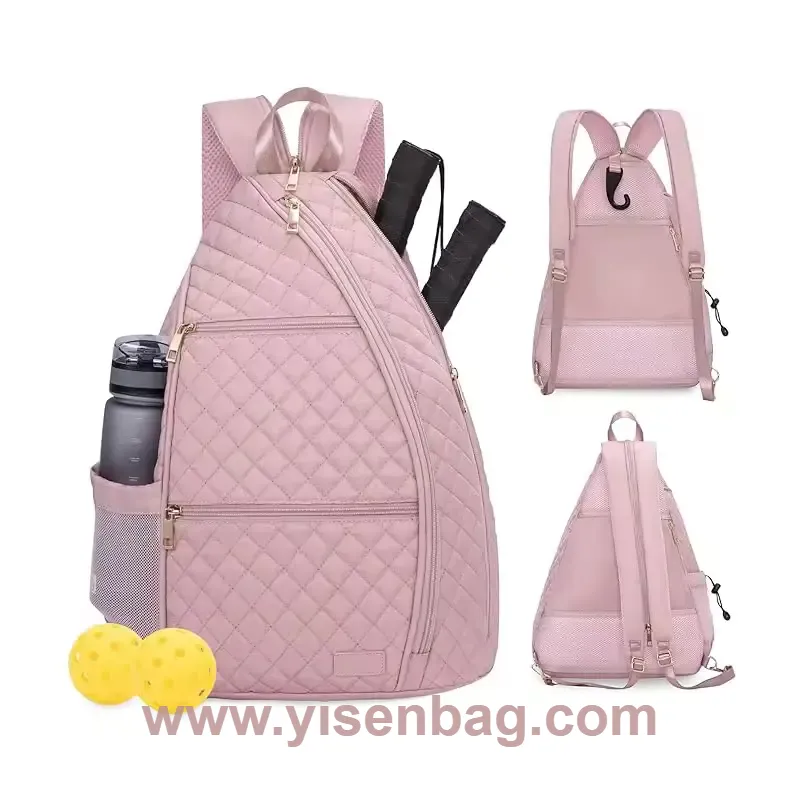
How Can a Backpack Supplier Test Fabric Strength and Abrasion Resistance?
Backpack fabrics experience friction, tension, pressure, and repeated movement throughout their service life, making material evaluation an important part of product development. A professional Backpack Supplier such as yisenbag needs to understand how different textiles respond to these conditions before selecting materials for school, business, travel, sports, or outdoor collections. Which testing methods can help determine whether a fabric is suitable for its intended application?
Understanding Fabric Strength
Fabric strength describes a textile's ability to withstand external forces without excessive stretching, tearing, or breaking. In backpack manufacturing, this property matters around the main body, shoulder straps, carrying handles, side pockets, and bottom panels, where weight and movement can create repeated stress. A material suitable for a lightweight daily bag may not meet the requirements of a travel design that carries heavier belongings, so evaluation should begin with a clear understanding of the intended use.
Tensile strength testing measures the force required to pull a fabric specimen until it breaks. During a controlled procedure, the sample is secured in testing equipment and pulled at a specified rate while the applied force and material response are recorded. These results allow manufacturers to compare fabric options and determine whether a textile meets the relevant product specification. Testing conditions, specimen preparation, and measurement methods should remain consistent when different materials are compared.
Tear resistance provides another useful indication of material performance. A small cut, snag, or puncture may expand when a loaded backpack moves, catches on an object, or experiences rough handling. Tear testing evaluates the force required to continue a tear through the fabric, helping inspectors understand how the textile responds to localized damage. Woven polyester, nylon, Oxford fabric, and other common backpack materials can show different results because their yarn structures, weaving methods, and finishing processes vary.
Strength figures should never be considered in isolation. Fabric thickness, flexibility, weight, coating, and construction all influence the final result. A material with high tensile strength may still be unsuitable if it feels too rigid for the intended design or does not work well with the selected sewing method. A balanced evaluation considers both measured performance and practical manufacturing requirements.
Evaluating Abrasion Resistance
Abrasion resistance refers to a fabric's ability to withstand surface wear caused by repeated rubbing. During everyday use, backpacks may come into contact with desks, clothing, luggage, floors, walls, vehicle interiors, and outdoor surfaces. The bottom and corners often receive concentrated friction, while shoulder strap edges and pocket openings may experience repeated contact during carrying and handling.
Laboratory abrasion testing simulates rubbing under controlled conditions. A prepared specimen is placed against an abrasive surface and subjected to a defined movement pattern, pressure, and testing procedure. After the specified interval, inspectors examine the material for signs of wear, such as fuzzing, thinning, broken yarns, fading, coating damage, or holes. The evaluation criteria should be established before testing so that the results can be assessed consistently.
Martindale and Wyzenbeek are recognized methods used to assess textile abrasion performance. Their procedures differ, so the results should not automatically be treated as interchangeable. The appropriate method depends on the textile, applicable requirements, and intended product category. Manufacturers should identify the testing method, sample preparation requirements, and acceptance criteria before evaluating material batches or comparing samples from different sources.
Abrasion resistance should also be interpreted according to the intended application. A school backpack used for books and stationery faces different contact conditions from an outdoor model carried across rough terrain. A business backpack may place greater emphasis on preserving its appearance, while a travel bag may experience frequent handling and contact with luggage compartments. The testing plan should reflect these differences instead of relying on a universal performance threshold.
Selecting Materials for Different Applications
Material selection influences a backpack's weight, appearance, flexibility, cost, and resistance to surface damage. Polyester is commonly used for everyday and school designs because it supports varied colors and finishes. Nylon is frequently considered for travel and outdoor products where strength and relatively low weight are important. Oxford fabric is another widely used option, with different constructions available for different structural and functional requirements.
Denier describes the linear density of synthetic yarn and helps identify certain material specifications, but it does not independently determine durability. Two fabrics with the same denier may behave differently because of yarn quality, weaving structure, coating, finishing, and manufacturing consistency. Physical testing should therefore complement technical data sheets and visual inspection.
Coated fabrics require particular attention because repeated friction may damage the surface treatment even when the base textile remains intact. Inspectors should look for peeling, cracking, uneven color, changes in texture, and separation between layers. If a backpack is designed with water-resistant properties, an appropriate additional assessment may be needed to check whether abrasion affects the intended protective finish. The method should match the product specification rather than relying on appearance alone.
Material choice also affects sewing performance. Thick or stiff fabrics may require suitable needles, thread, seam allowances, and reinforcement techniques, while lightweight textiles may need careful handling to prevent puckering or distortion. Testing should help establish whether the selected material performs well not only as a flat specimen but also as part of the finished product.
Inspecting Seams and High-Stress Areas
Fabric performance is only one factor in overall backpack durability. Shoulder strap attachments, carrying handles, zipper openings, side seams, and bottom corners can experience concentrated forces when a bag is loaded. Reinforced stitching, appropriate webbing, suitable thread, and carefully planned seam placement help distribute stress across the structure.
Inspectors should examine stitch alignment, seam consistency, loose threads, skipped stitches, and visible damage around attachment points. Depending on the design, samples may undergo seam-strength testing or controlled pulling tests on shoulder straps and handles. Test loads and acceptance criteria should follow the product specification or an agreed procedure instead of an arbitrary target.
A complete backpack should also undergo practical evaluation. Loading trials can reveal whether the fabric stretches excessively, the bag loses its intended shape, or particular seams experience concentrated tension. Repeated carrying, zipper operation, and visual checks can identify issues that a fabric specimen test may not reveal. These assessments are especially relevant for designs that combine woven fabric, mesh pockets, padded sections, coated panels, and several attachment points.
Establishing a Reliable Quality Control Process
Quality inspection begins before bulk production. Incoming materials should be checked for surface defects, color variation, inconsistent coating, damaged edges, and differences from the approved reference sample. Test specimens should be prepared according to the selected procedure, and records should identify the material batch, testing conditions, method, and observed results.
Documented results help production teams compare incoming batches and investigate unexpected changes. If a specimen does not meet the agreed requirements, the manufacturer can review the material specification, verify the result when necessary, and decide whether replacement or a change in application is appropriate. Maintaining these records supports traceability and helps teams communicate clearly about quality issues.
Inspection frequency should reflect material variation, product requirements, production risk, and applicable standards. A lightweight daily bag may require a different inspection plan from a travel backpack designed for frequent handling or an outdoor model exposed to abrasive conditions. Regardless of the category, performance claims should be supported by appropriate evidence, and testing requirements should be agreed upon before production begins.
Communication during product development is equally important. Sharing information about intended use, fabric composition, coating requirements, expected loading, and acceptable wear helps the manufacturing team select relevant tests and prepare suitable samples. Approving a reference sample before bulk production also creates a clear basis for checking material appearance, workmanship, and construction throughout subsequent manufacturing stages.
For brands developing school, business, travel, or outdoor collections, Zhejiang Yisen Bags Co., Ltd. provides OEM and ODM backpack development with customizable fabrics, dimensions, colors, logos, and compartment layouts. As a Backpack Supplier, yisenbag works with customers to discuss material selection, construction details, and project requirements for different applications. Visit https://www.yisenbag.com to explore available styles and discuss your next backpack project with a manufacturing team focused on practical design, suitable material choices, and clearly defined quality expectations.

 English
 Arabic
 French
 Spanish
 Portuguese
 Turkish
 Dutch
Dutch
 Italiano
 Russian
 Romaian
 Portuguese (Brazil)
 Greek
Greek
 Bengali